Terpenes: why cannabis aroma compounds matter for safety
December 3, 2025
Cannabis has a smell that is instantly recognisable with a mix of citrus, pine, pepper and floral fragrances. But, beneath these aromas lies complex chemistry attracting scientific attention, especially in the laboratory.
As the medicinal cannabis industry matures, terpenes are a focus of safety, consistency and product performance.
Dean Hatt, Senior Toxicology Consultant at medicinal cannabis testing consultancy Broughton, outlines the importance of terpenes when conducting a risk assessment of cannabis products.
Terpenes are naturally occurring aromatic compounds found in the cannabis plant.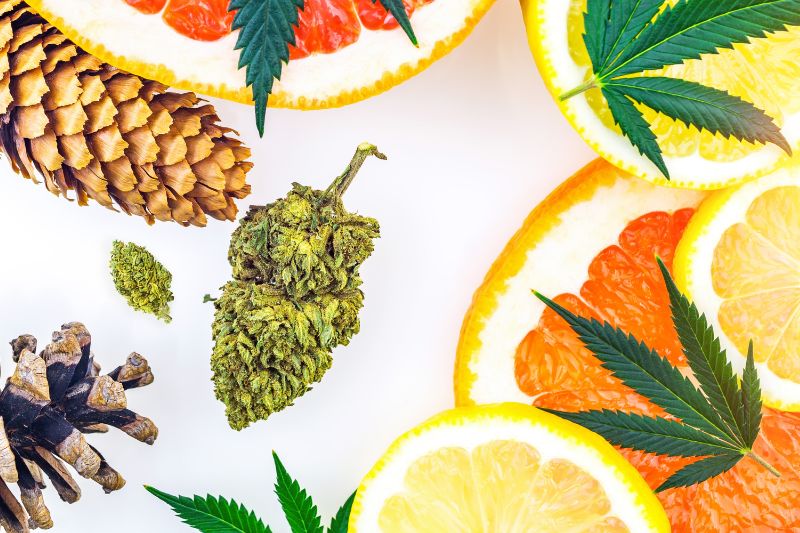
The same types of molecules are responsible for the scents of many other plants, such as pine, citrus, lavender and pepper.
In cannabis, they are produced in the trichomes, the same resin glands that generate cannabinoids such as tetrahydrocannabinol (THC) and cannabidiol (CBD).
Each cannabis strain, or cultivar, has its own terpene profile, which contributes to its biological and therapeutic effects as well as its flavour and aroma.
More than 200 terpenes have been identified, with myrcene, limonene, pinene, linalool and beta-caryophyllene the most common.
Increasing evidence suggests terpenes may interact with cannabinoids in what’s called the “entourage effect,” which can enhance or modulate their physiological impact.
For example, myrcene may promote relaxation or sedation, limonene could elevate mood, while pinene may counteract some cognitive effects of THC, such as short-term memory impairment or ‘fogginess’.
Differentiation brings uncertainty
For producers, terpenes are key to strain identity, consumer targeting and market positioning.
This is especially true in more established markets, such as in North America, where flavour and experience drive consumer preference.
Terpenes shape the sensory identity of cannabis products. Its composition directly influences flavour, smoothness and perceived quality.
Terpene requirements from product developers can be varied, with some seeking distinctive aroma profiles while others prefer milder blends, therefore making an industry benchmark unclear.
While this product variability exists, it shows the need for consistent scientific assessment to formulate safe and effective products.
Quality and safety
As terpenes can oxidise or degrade during processing or storage, this will affect both product consistency and safety. Testing for terpene content and stability is therefore part of regulatory submissions, quality control and formulation development.
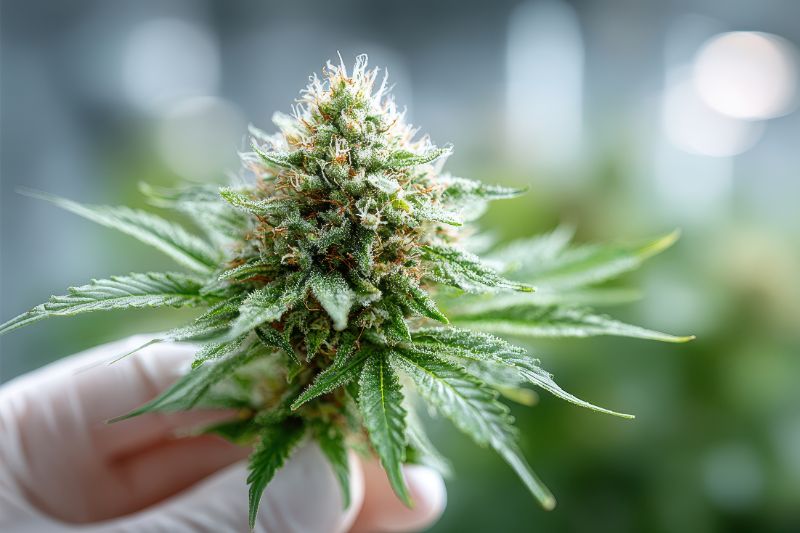 Risk assessments are important in assessing the safety of terpenes. They identify the toxicological concerns, quantify them individually and collectively and compare exposure to safe limits.
This confirms product safety and compliance with whichever regulatory body you are submitting your product to.
Even for professionals working in pharmaceutical science, terpene chemistry can be more complex than expected. In addition to contributing to flavour and aroma, these compounds can subtly affect how consumers feel, from promoting relaxation to enhancing alertness.
Highlighting these nuances helps ensure that product formulations are both effective and responsibly designed.
Broughton’s capabilities include providing a complete development pathway by combining analytical science, manufacturing expertise and toxicology insight to advance the cannabis sector safely and responsibly.
Search
RECENT PRESS RELEASES
Related Post