Tesla in 3 Years: Boom, Bust, or Quietly Crushing It?
April 17, 2026
What is Tesla (TSLA 0.69%) likely to look like in three years? Well, the company’s various achievements over the years are impressive, and if robotaxis are added to that list, then Tesla is highly likely to boom. On the other hand, the failure to achieve, at least, a commercial robotaxi service could lead to a sizeable bust for this tech giant.
Here’s what you need to know about the range of outcomes over the next few years.
Growth businesses trade on growth valuations
Tesla’s expensive valuation is often used as a stick to beat the company with. The argument is understandable if you view it as an electric vehicle (EV) company and don’t factor in any value for its robotaxi business. There’s quite a wide range of earnings outcomes baked into Wall Street analyst estimates for Tesla.
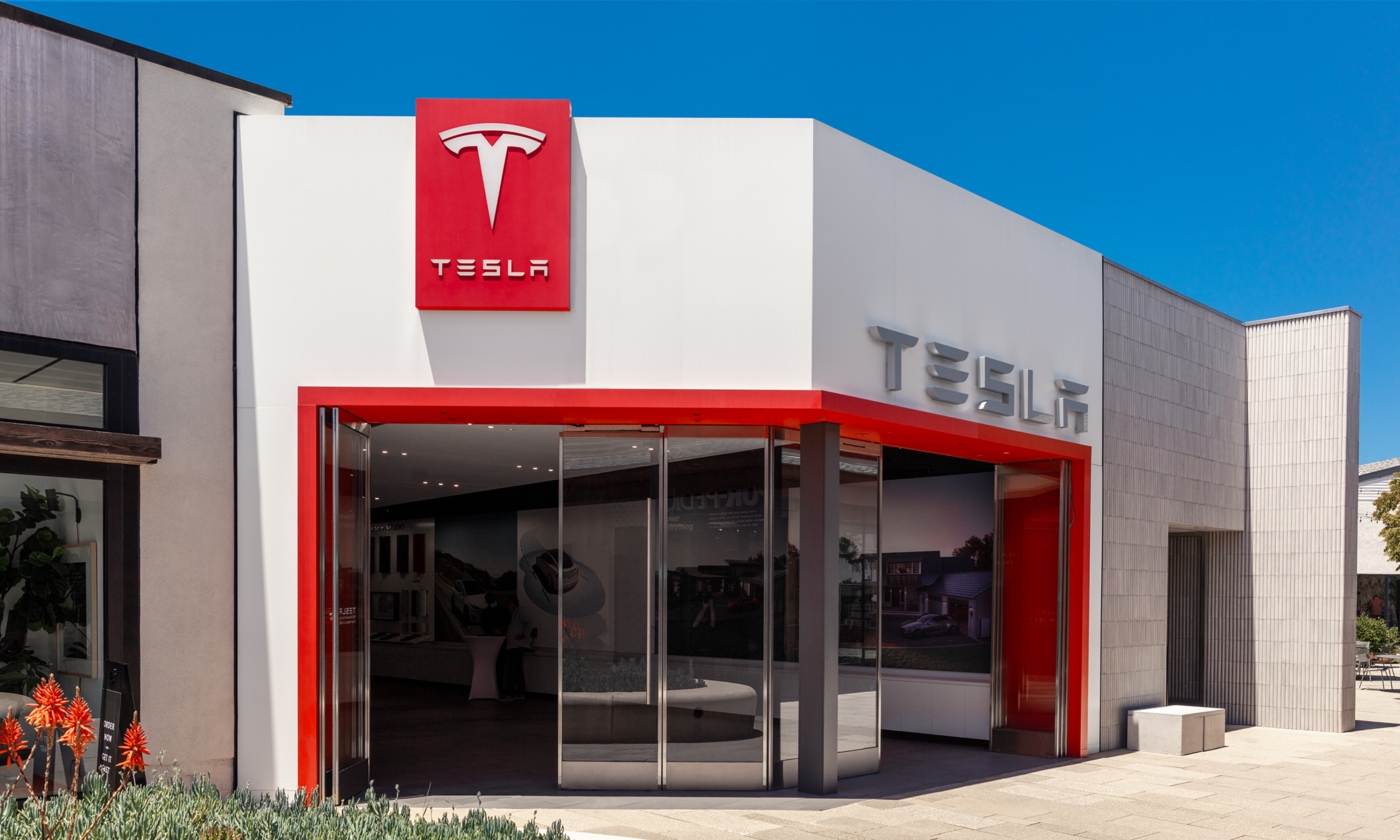
Image source: Tesla.
Zeroing in on three years ahead, the highest Wall Street estimate for earnings per share is $11.29 and the lowest is $1.81, with the mean estimate at $4.81. With the stock price at about $352, none of the valuations look attractive on a standalone basis. Even the high EPS estimate puts Tesla at 31 times earnings in 2028.
However, if Tesla aggressively ramps up its robotaxi business, the narrative changes completely.
Tesla’s robotaxi ambitions
Tesla CEO Elon Musk doesn’t see robotaxis as a useful adjunct to Tesla’s EV business, nor even an adjacent market to the main automotive market. Instead, Musk sees autonomous driving and robotaxis as the inevitable future of the automotive market. He couldn’t have been clearer on the last earnings call in January 2026 when arguing that “probably less than 5% of miles driven will be where somebody is actually driving the car themselves in the future, maybe as low as 1%.”
Furthermore, Tesla’s dedicated robotaxi vehicle, Cybercab, isn’t just another sales opportunity. “We would expect over time to make far more Cybercabs than all of our other vehicles combined,” he said.

Image source: Tesla.
Musk’s optimism has some grounding in reality. The key point to understand about EVs and robotaxis is that EVs’ per-mile cost advantage is best realized by running them more often. That’s why Musk argues that “we would expect Cybercab to be used probably 50 or 60 hours a week instead of the 10 or 11 hours a week that a driven vehicle is used.”
If Tesla can achieve Musk’s aim of a Cybercab with a $0.20-per-mile cost basis, then the opportunity to revolutionize the automotive market is significant. The stream of long-term recurring income from combining the manufacturing of the low-cost Cybercab with its cost-effective vision-only full self-driving (FSD) hardware and software is precisely why some analysts are penciling in massive growth assumptions and why investors are paying a valuation premium for the stock.

Today’s Change
(-0.69%) $-2.72
Current Price
$389.23
Tesla in three years
As ever, where Tesla stands in three years revolves around whether Tesla’s unsupervised robotaxi service, let alone Cybercab, will receive widespread approval beyond the very limited service it currently offers in Austin, Texas. Developments on that front will guide the stock in 2026 and over the next few years. While it’s incredibly difficult to predict the future and even harder to know what regulators will decide, I think the more likely outcome is a share price boom. It has leadership in EVs, will probably hit 10 billion miles driven under FSD by midyear, and will probably have a Cybercab in production and a slow robotaxi rollout underway.
Still, investors need to acknowledge the significant downside risk of bust here, too. As such, Tesla stock is probably best suited to enterprising investors who can tolerate significant downside risk.
Search
RECENT PRESS RELEASES
Related Post