Tesla retroactively added ‘supervised’ to FSD contracts owners signed years ago
June 3, 2026
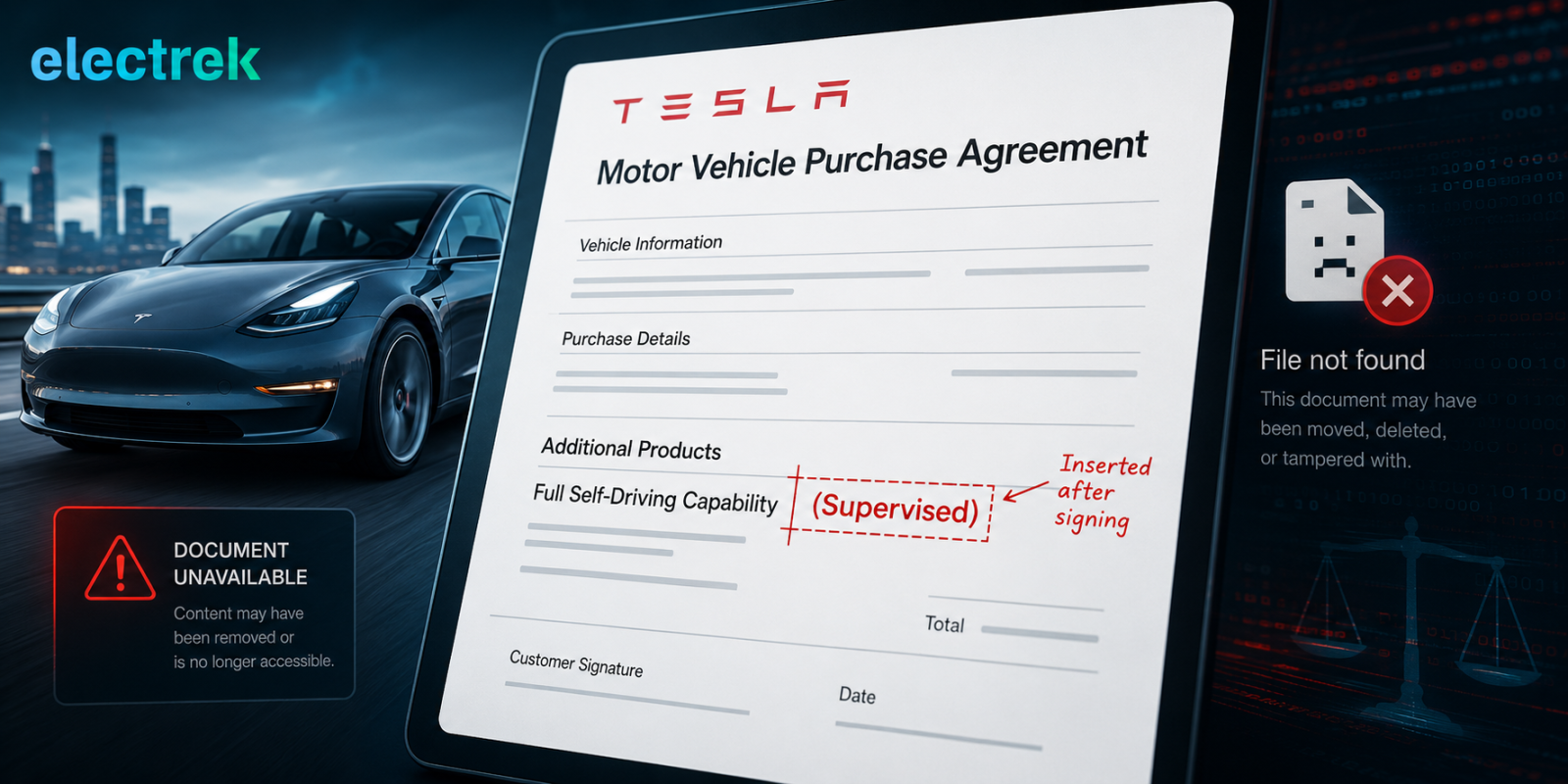
Tesla has retroactively modified “Full Self-Driving” purchase agreements to add “supervised” language that did not exist when owners originally bought the product. In some cases, the original documents have been made entirely inaccessible.
Electrek has confirmed the issue with multiple owners. The contracts in question were signed between 2016 and early 2024, when Tesla sold the package as “Full Self-Driving Capability” — with no mention of “supervised” and the implicit promise of unsupervised autonomy.
One owner, Oliver Abcarius, flagged the issue to Electrek.
Abcarius purchased FSD for his 2018 Model 3 on August 12, 2019. When he recently went to pull up his FSD purchase agreement on his Tesla account to build a refund case, he discovered that Tesla had retroactively updated the document. The original contract — which did not contain “supervised” language — now links to an invalid page.
Advertisement – scroll for more content
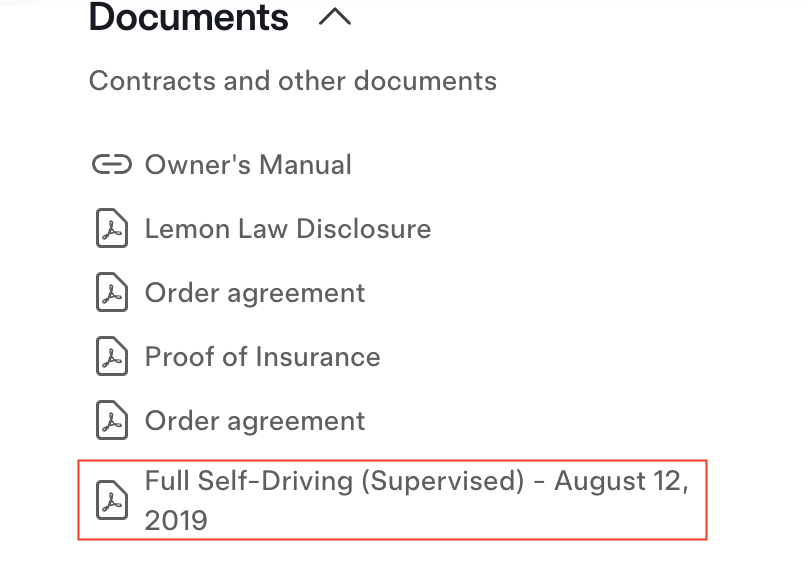
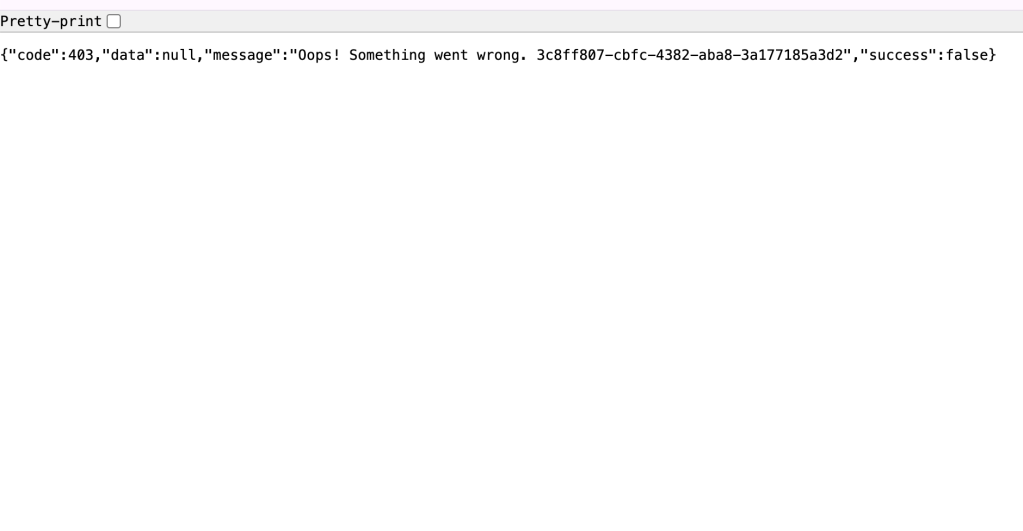
“Tesla has retroactively updated my documents from 2019 when I paid for FSD. Back in 2019 Tesla did not contain ‘supervised’ language in the purchase agreement. I can no longer actually open the document as it links to an invalid page,” Abcarius told Electrek.
The pattern extends to his household. His wife’s 2020 Model Y, purchased on May 29, 2020 with FSD included up front, has the same issue — the “Motor Vehicle Purchase Agreement” is inaccessible.
The critical detail: on both accounts, the only documents that are inaccessible are those that would reference FSD purchase details. Every other document, including purchase agreements for vehicles without FSD, opens without issue.
“It’s crazy because there are zero issues opening any documents on both accounts except those that would have the FSD purchase details documented,” Abcarius said. “Super fishy.”
Electrek has confirmed that other Tesla owners, specifically those with Tesla HW3 vehicles and FSD, have the same issue. The issue specifically affects contracts from the era when Tesla sold FSD without “supervised” language.
The timeline matters here.
From 2016 through early 2024, Tesla sold “Full Self-Driving Capability” as a software package for up to $15,000, with the promise that it would become fully autonomous through over-the-air software updates. CEO Elon Musk repeatedly claimed unsupervised self-driving was imminent — promising it by the end of every year since 2018.
In March 2024, Tesla formally renamed the package to “Full Self-Driving (Supervised)” with the release of FSD v12.3.3. The word “supervised” appeared for the first time, and the fine print now states the system does not make the vehicle autonomous.
By September 2025, Tesla had fully changed the meaning of “Full Self-Driving”, giving up on its original promise of delivering unsupervised autonomy. The new CEO compensation package even redefined FSD with vague language that the current supervised system could satisfy.
Then in April 2026, Musk confirmed that HW3 vehicles — produced between 2016 and 2023 — simply cannot achieve unsupervised FSD due to hardware limitations. That means every vehicle sold with the original “Full Self-Driving Capability” promise on HW3 hardware will never deliver what was promised without a hardware retrofit that Tesla has no concrete plan to implement.
Making original purchase agreements inaccessible fits a broader pattern.
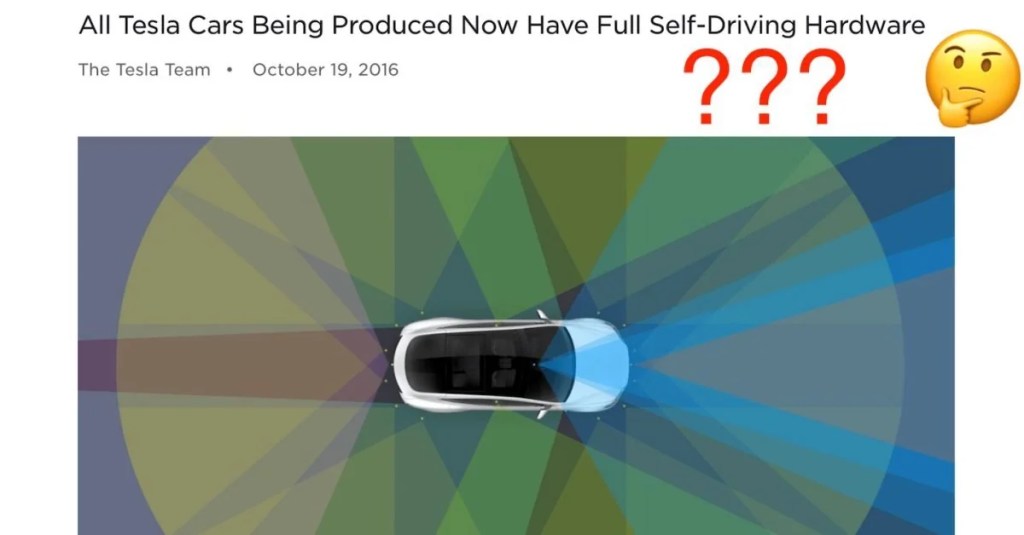
In August 2024, Tesla deleted a blog post from October 2016 that stated “all Tesla vehicles produced in our factory — including Model 3 — will have the hardware needed for full self-driving capability at a safety level substantially greater than that of a human driver.” The post was removed without explanation while lawsuits were building. It is still accessible through the Wayback Machine.
Now, the original contracts that would show Tesla sold FSD without any “supervised” qualifier are becoming inaccessible — right as Tesla faces up to $14.5 billion in lawsuits spanning FSD false advertising, Autopilot crash liability, and securities fraud.
A certified class action in the US covers FSD statements made between October 2016 and August 2024 — the exact period covered by these contracts. California’s Office of Administrative Hearings ruled Tesla engaged in false advertising on FSD. An arbitrator already ordered Tesla to refund $10,600 to an FSD buyer, finding the company breached its contract. FSD fraud lawsuits are also proceeding in China and Europe.
In all of these cases, the original purchase agreements, the ones now inaccessible, are key evidence.
There’s a meaningful difference between changing a product’s name going forward and making existing executed contracts inaccessible after the fact. The first is a business decision. The second raises serious legal questions.
Some would call it fraud.
When a company faces active litigation and the original contracts are central evidence in those cases, making those documents inaccessible to the customers who signed them starts to look like spoliation of evidence — the destruction or significant alteration of evidence relevant to pending or anticipated litigation. Courts take spoliation seriously. It can result in adverse inferences, discovery sanctions, or even case dismissal in favor of the opposing party.
The pattern is hard to ignore. Tesla deleted its 2016 blog post promising autonomous hardware. Tesla confirmed HW3 can’t deliver on the promise. Tesla changed the meaning of FSD from a promise of autonomy to a supervised driver-assist system. And now the original contracts, the ones that didn’t say “supervised”, are conveniently inaccessible.
If you’re a Tesla owner who purchased FSD before 2024, we’d encourage you to check whether your original purchase agreement is still accessible in your Tesla account. If it isn’t, document it — that contract is potentially valuable evidence.
If you’re an EV owner looking to reduce your energy costs, home solar is one of the best ways to do it. With electricity rates climbing nearly 10% last year, home solar protects you against future rate increases. And with lease and PPA options, you can go solar with zero upfront cost and start saving immediately. If you want to find the best deal, check out EnergySage. It’s a free service with hundreds of pre-vetted installers competing for your business, so you save 20 to 30% compared to going it alone. No sales calls until you pick an installer. Get your free quotes here.


Search
RECENT PRESS RELEASES
Related Post