Tesla (TSLA) officially abandons India factory after years of broken promises
May 20, 2026
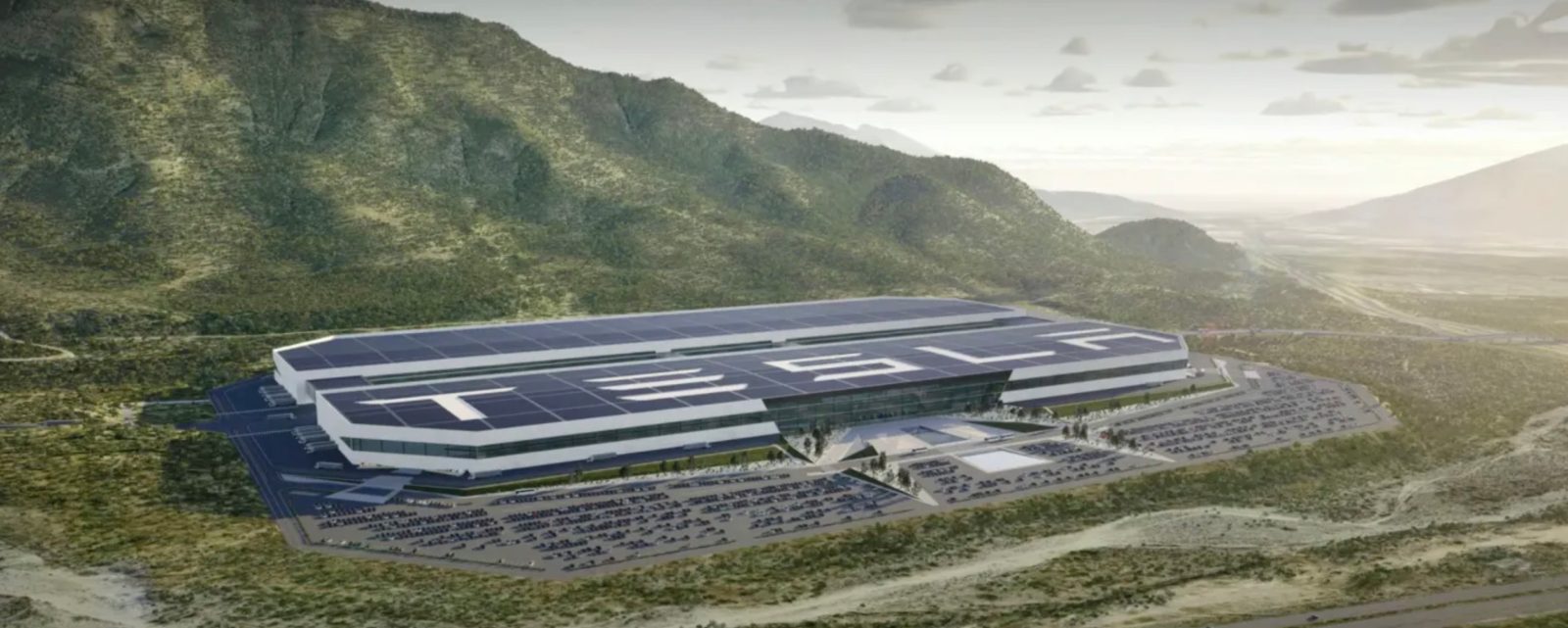
Tesla has officially confirmed it will not build a manufacturing facility in India, ending nearly a decade of negotiations, false starts, and broken promises with the Indian government.
India’s Minister of Heavy Industries H.D. Kumaraswamy confirmed the decision on May 19, putting a definitive end to one of the longest-running will-they-won’t-they sagas in the global EV industry.
We have been tracking Tesla’s India ambitions for years — from scouting factory locations in 2024 to hiring staff in early 2025 — and each time, it ended the same way. Last June, we reported that Tesla’s India plans wouldn’t include manufacturing, and the official confirmation now validates that reporting.
The fundamental problem was always the same: Tesla wanted lower import tariffs before committing capital to a factory, and India wanted a factory commitment before lowering tariffs. Neither side moved.
Advertisement – scroll for more content
India had offered a policy that would reduce import duties from 110% down to 15% on EVs priced above $35,000, provided the automaker committed at least $500 million toward local manufacturing within three years. Mercedes-Benz, Skoda-Volkswagen, Hyundai, and Kia all showed interest in the program. Tesla declined to participate.
The first signs of the relationship unraveling came in April 2024, when CEO Elon Musk abruptly canceled a planned trip to India where he was set to meet Prime Minister Narendra Modi and announce Tesla’s market entry. He went to China instead. By July 2024, Fortune reported that Tesla executives had stopped contacting Indian government officials entirely.
The deeper issue is that Tesla’s existing factories are operating at approximately 60% capacity. Giga Berlin, for example, operated at roughly 65% of its stated capacity in Q1 2026, and Tesla globally produced 50,000 more vehicles than it delivered in the quarter — a clear sign of inventory buildup, not a production shortage.
Committing $500 million or more to a new factory in a market where it has sold fewer than 400 vehicles total makes no sense when existing plants are sitting idle. That’s also why Tesla halted its Gigafactory Mexico project.
Tesla currently has a demand problem, not a production capacity problem.
Tesla launched retail sales in India in July 2025 after years of negotiation. The results have been underwhelming. The automaker sold just 225 vehicles in all of 2025, and through April 2026, cumulative sales stand at approximately 383 units — far below internal expectations.
By early 2026, Tesla was already offering discounts of up to ₹200,000 ($2,200) to clear unsold inventory. The company recently launched a six-seat Model Y L variant in April 2026, but the pricing remains a mismatch for the Indian market, where the most popular EVs sell for a fraction of what Tesla charges.
India’s electric car market grew 84% in fiscal year 2026, reaching nearly 200,000 units. Tata Motors leads with 78,811 units, followed by MG Motor (53,089 units) and Mahindra (42,721 units — a fivefold increase year-over-year thanks to the BE 6 and XEV 9e launches).
Even BYD, another foreign entrant, managed 5,361 units in India — a 54% increase. Tesla’s 383 total cumulative sales barely register against these numbers.
The Indian EV market is clearly growing rapidly, but it’s being driven by affordable domestic brands, not premium imports. That’s a structural challenge for Tesla that a local factory alone wouldn’t solve without a fundamentally different, lower-cost product.
I said it last June and I’ll say it again: the India factory was never going to happen under current conditions, and we’ve been burned too many times on this story to take any of Tesla’s India signals at face value.
The math was always clear. You don’t build a factory in a market where you’ve sold fewer than 400 cars when your existing factories are running at 60% capacity. Tesla has a demand problem, not a supply problem. Adding manufacturing capacity in a new, price-sensitive market where the most popular EVs cost a fraction of a Model Y was never a serious business proposition — it was a negotiating posture.
Tesla will continue selling imported Model Y vehicles through its showrooms in Mumbai, Delhi, Gurugram, and Bengaluru — but local manufacturing is officially off the table. After nine years of false starts dating back to Musk’s first public comments about India in 2017, this chapter is finally closed.
If you’re an EV owner looking to cut your energy costs, powering your EV with home solar is one of the smartest moves you can make. With electricity rates climbing nearly 10% last year, home solar protects you against future rate increases. And with lease and PPA options, you can go solar with zero upfront cost and start saving immediately. If you want to find the best deal, check out EnergySage. It’s a free service with hundreds of pre-vetted installers competing for your business, so you save 20 to 30% compared to going it alone. No sales calls until you pick an installer. Get your free quotes here.


Search
RECENT PRESS RELEASES
Related Post