Tesla Unveils Cybercab with Rear Charging Port, Wireless Charging Challenges
April 12, 2026
Got story updates? Submit your updates here. ›
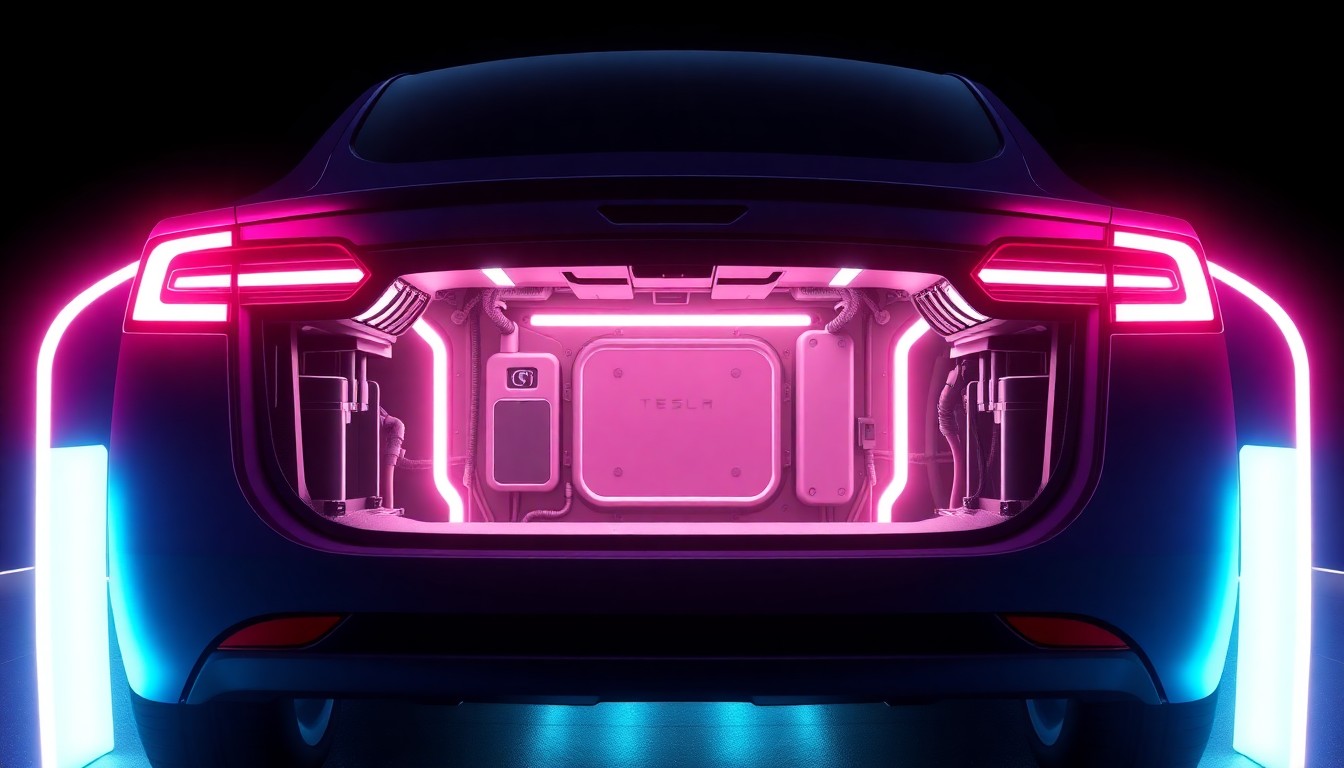 The Tesla Cybercab’s rear charging port highlights the company’s efforts to balance convenience and efficiency in its autonomous ride-sharing vision.FremontToday
Tesla’s upcoming Cybercab, a fully autonomous ride-sharing vehicle, has been spotted with a rear-mounted charging port, sparking debate about the company’s plans for wireless charging. While Tesla aims to introduce wireless induction charging, the current prototypes require a physical connection, raising questions about the Cybercab’s autonomy and the need for manual intervention. The company is also facing challenges with heat transfer and energy loss associated with wireless charging technology.
Why it matters
The Cybercab’s charging solution is a crucial aspect of its design, as it will impact the vehicle’s convenience, range, and overall user experience. Tesla’s ability to overcome the technical hurdles of wireless charging will be a key factor in the Cybercab’s success and the broader adoption of autonomous ride-sharing.
The details
A recent sighting of a Cybercab prototype has revealed that the vehicle features a charging port at the rear, with a manual door and latch. This has led to speculation about the Cybercab’s autonomy and the potential need for manual intervention. Tesla plans to introduce wireless induction charging, but the current prototypes still require a physical connection. Wireless charging has its own challenges, such as heat transfer and energy loss, which Tesla has been working to address. The company has also made breakthroughs with its 4680 battery cells, which promise to simplify production, reduce costs, and improve energy density.
- Tesla plans to begin production of the Cybercab in April 2026.
- The company is also gearing up for the production of its humanoid robot, Optimus, with the first production line in the Fremont Factory and a larger ramp-up in Giga Texas, aiming for a capacity of 10 million units per year.
The players
Tesla
An American electric vehicle and clean energy company that designs and manufactures electric cars, battery energy storage from home to grid-scale, solar panels, and related products.
Elon Musk
The CEO of Tesla, who has revealed the company’s plans for the Cybercab and the Optimus humanoid robot.
What’s next
Tesla is in a race to perfect its induction charging technology before the Cybercab’s production begins in April 2026. The company aims to phase out the manual charging port once wireless charging becomes more efficient.
The takeaway
The Cybercab’s charging solution is a critical aspect of its design, and Tesla’s ability to overcome the technical challenges of wireless charging will be a key factor in the vehicle’s success and the broader adoption of autonomous ride-sharing. The company’s progress in battery technology and its ambitious plans for the Optimus humanoid robot also raise questions about Tesla’s ability to execute on its vision.
Search
RECENT PRESS RELEASES
Related Post