Tesla’s $25 Billion Capex Plan Is No Longer About Cars. Here’s Why Tesla Could Be the Most Undervalued AI and Robotics Stock of 2026.
June 17, 2026
Tesla’s (TSLA 2.05%) management raised its full-year capital spending estimate to $25 billion from $20 billion on its last earnings call, as the company continues to lay the foundation for multiyear earnings growth. It’s an exciting year of execution for the company, and what happens this year could set it up for a stellar 2027 and beyond, with artificial intelligence (AI) and robotics at its heart. Here’s why.
Tesla’s capital spending plan
Management outlined the six key factory investments in late January, and they include:
- A lithium refinery to produce battery-grade lithium hydroxide.
- A factory to produce lithium iron phosphate (LFP) batteries for Tesla’s Megapack units.
- Cybercab production facility.
- Tesla Semi production.
- A new Megafactory to produce battery storage systems.
- The repurposing of Model S and Model X (now retired) production lines to begin production of Optimus robots.
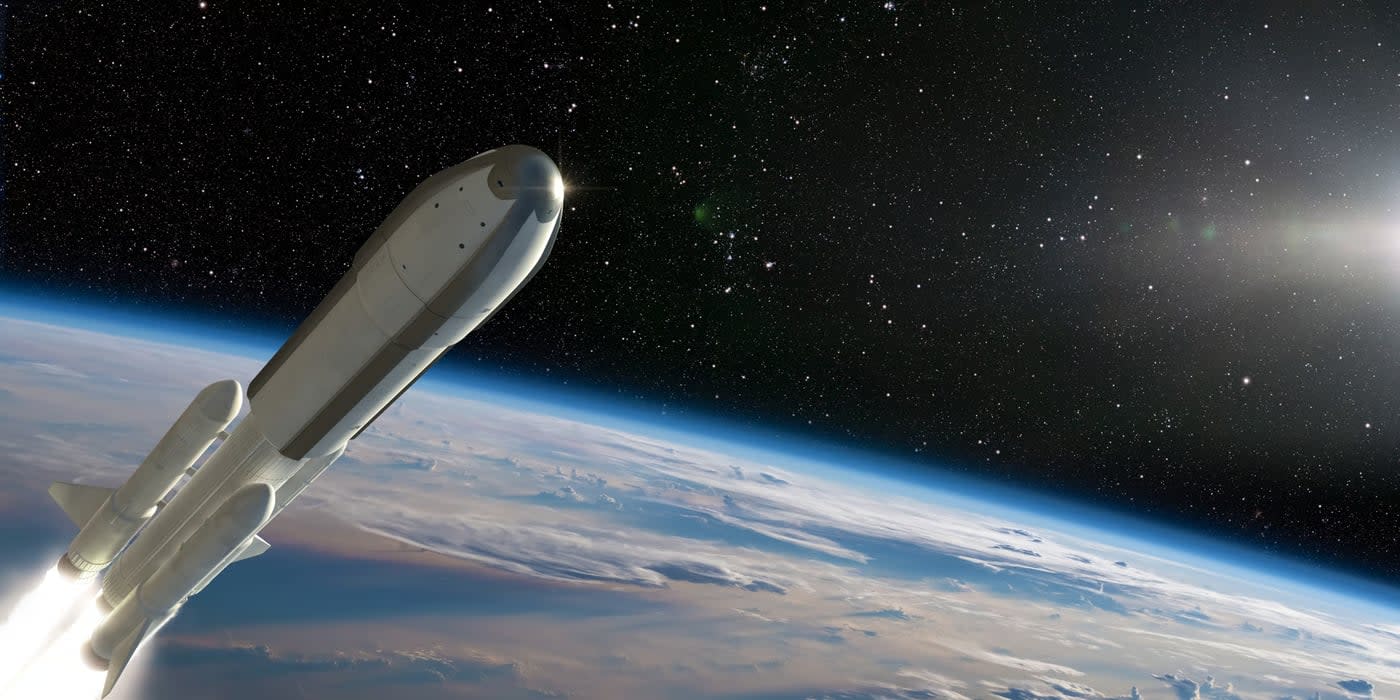
On top of this, Tesla is part of the Terafab joint venture with SpaceX to build a massive semiconductor facility that will produce chips for both companies, a move that some think could foreshadow a Tesla/SpaceX merger.
As you can see, these investments aren’t just about Tesla’s core electric vehicle (EV) business; they are all intended to establish and secure a supply chain of chips (through Terafab), refined lithium, and lithium batteries, as well as establish production of Tesla’s most exciting growth initiatives — namely, its dedicated robotaxi, Cybercab, and its Optimus robot.

Today’s Change
(-2.05%) $-8.28
Current Price
$396.38
Cybercab and Optimus
Tesla is an AI stock, but with a key difference. Tesla’s solutions embody AI rather than rely on end demand for AI applications. Unlike the hyperscalers who are building out massive infrastructure to support future demand, Tesla is embedding AI in its solutions so they work better.
For robotaxi/cybercab and the full self-driving (FSD) software that runs it, the next big step will be the validation and release of FSD v15, due sometime in late 2026 or early 2027. The v15 FSD will incorporate large-model AI architecture, and is necessary “before going to large-scale unsupervised FSD,” according to CEO Elon Musk on the last earnings call.
Similarly, Optimus is an AI-driven robot that uses vision-based AI originally developed for FSD.
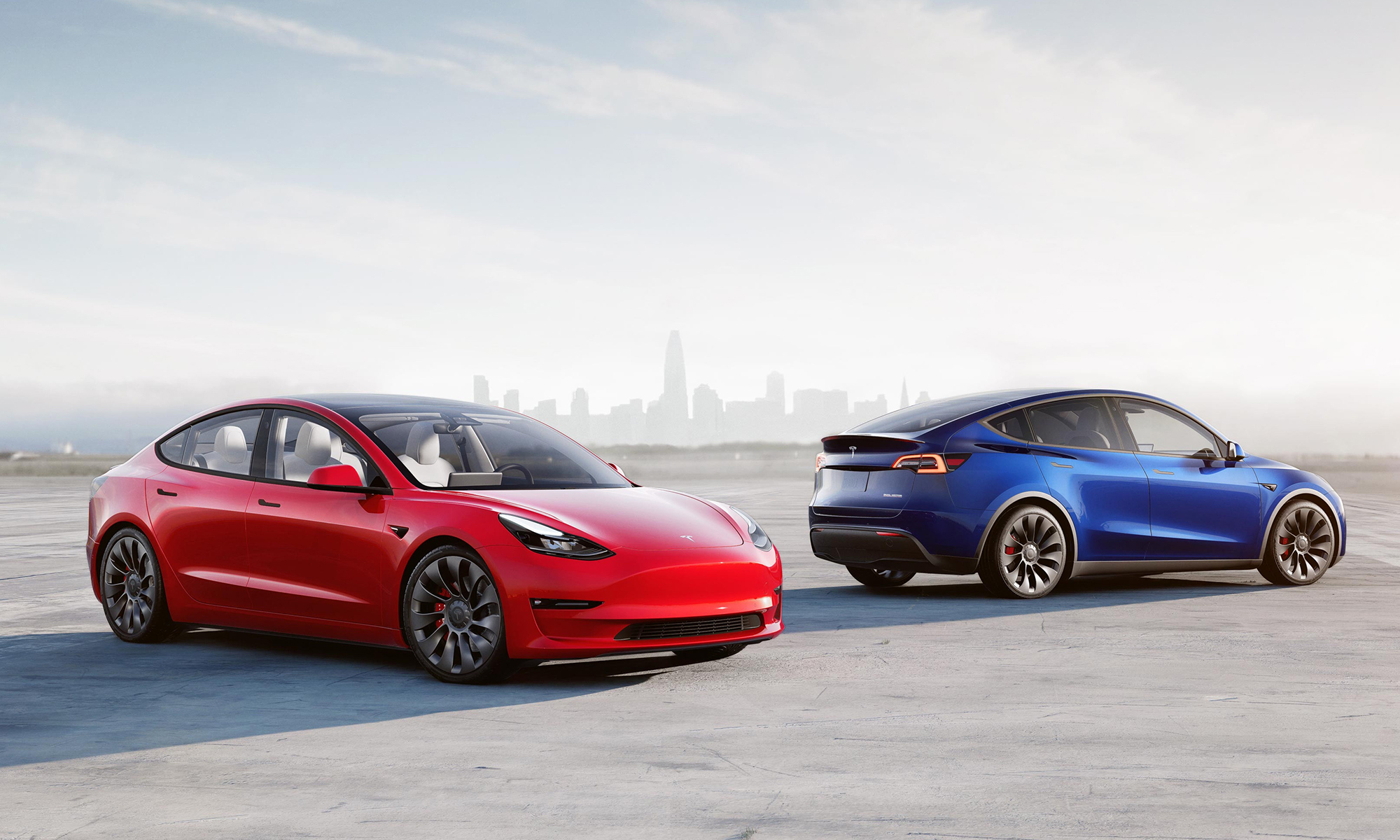
Image source: Tesla.
Tesla is not just a car company
As such, while Tesla currently relies on EVs for the bulk of its revenue and its EVs are the foundation of robotaxi/Cybercab, the reality is that its future lies in recurring revenue from robotaxi ride-share and probably Optimus robot-as-a-service (RaaS).
While revenue from both likely won’t be material (Wall Street analysts see robotaxi/Optimus as being responsible for almost 13% of revenue in 2028) until 2027/2028, what Tesla does with its investments this year will set the company up for foundational growth in the coming years.
Search
RECENT PRESS RELEASES
Related Post