The fossil fuel illusion, and New York’s chance to move beyond it
April 12, 2026
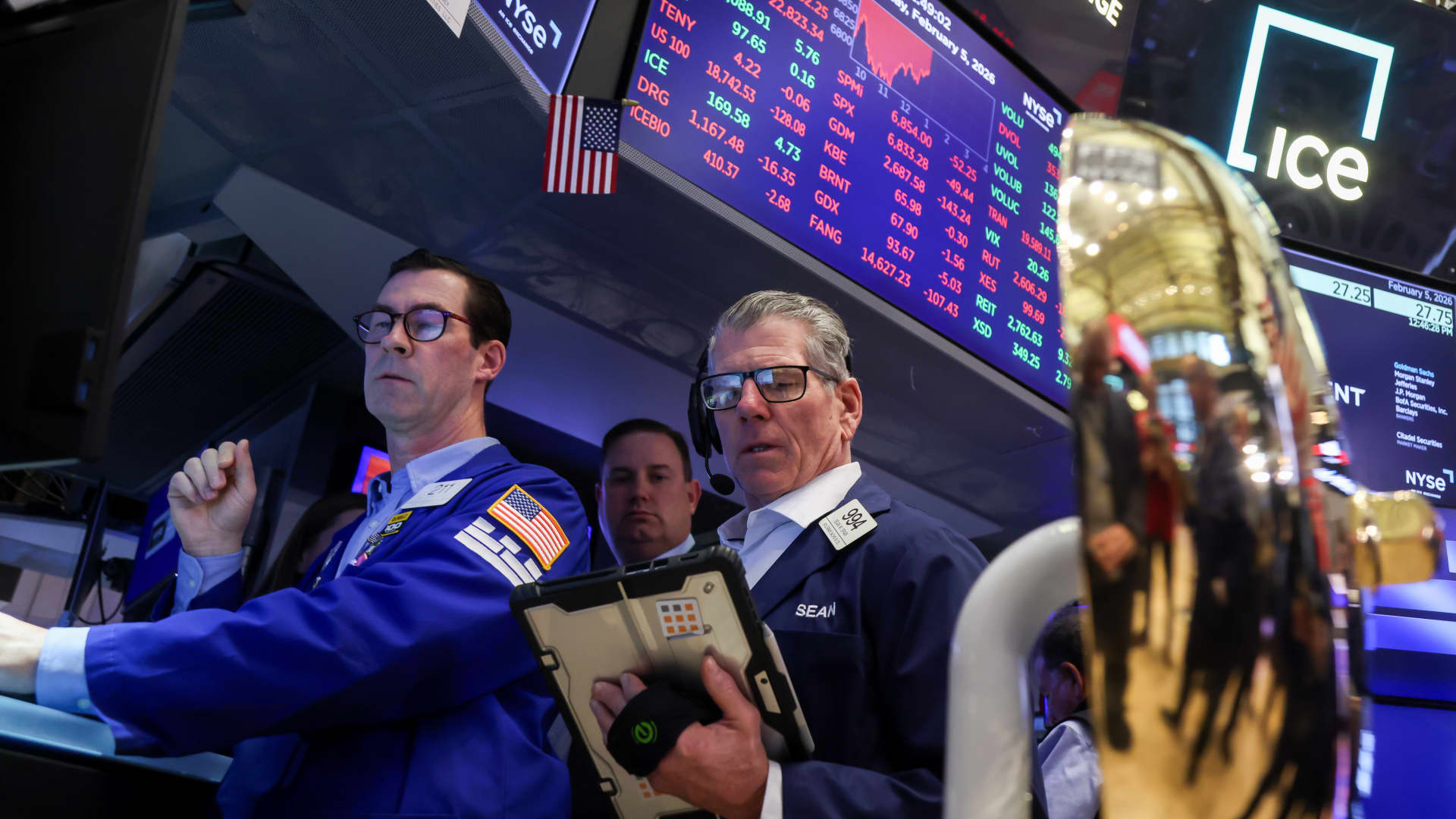
The war in Iran is showing us, yet again, what we already know: it’s absurd that in 2026 our nation’s ability to power itself can be upended by conflict thousands of miles away because we remain dependent on fossil fuels shipped across the globe.
Our dependence on oil and gas leaves us economically vulnerable, politically constrained, and perpetually at the mercy of forces we do not control.
None of this is inevitable. It is the result of policy choices, which means we can choose differently.
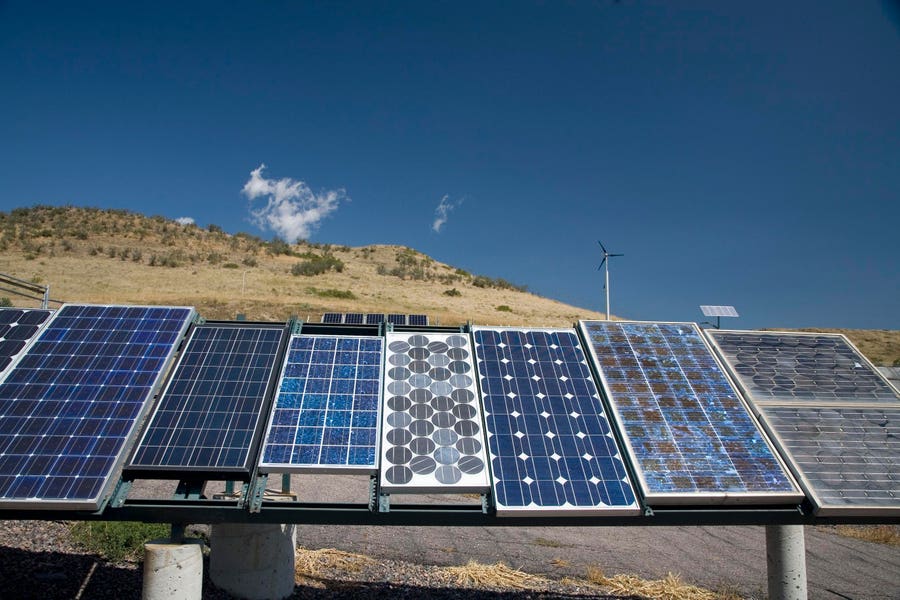
Around the world, governments are investing in wind, solar, and other renewable energy sources to reduce dependence on fossil fuels. Even Texas has emerged as a national leader, now generating more electricity from wind and solar than any other state.
New York, unfortunately, has not kept pace.
Seven years ago, in 2019, New York passed the Climate Leadership and Community Protection Act, or CLCPA, one of the most ambitious climate laws in the nation. It set aggressive goals: reducing greenhouse gas emissions 40 percent below 1990 levels by 2030, achieving 70 percent renewable electricity by 2030, and reaching a zero-emission electric grid by 2040.
But today, New York is falling behind.
The state remains well short of its 2030 emissions target. Central to its strategy was a cap-and-invest program that would set a statewide emissions cap, require major polluters and fuel suppliers to purchase emissions allowances, and auction those allowances through the state. Those regulations were legally required by January 2024, but that deadline came and went. Environmental groups sued, and a court ruled that the state had violated the law by failing to meet its obligations. The state is now appealing that decision.
Governor Hochul has proposed delaying implementation, arguing that moving forward too quickly could increase utility costs for consumers. But focusing only on short-term implementation costs ignores the far greater cost of remaining dependent on fossil fuels.
Fossil fuels can appear cheaper because many of their true costs are delayed, hidden, or shifted elsewhere. We pay when wars and instability send oil and gas prices soaring. We pay when climate-fueled storms, floods, and heat waves damage infrastructure and strain public budgets. We pay through dirtier air and worse public health. And we pay because our economy remains tied to volatile global markets we do not control.
I represent the west side of Manhattan, a community increasingly vulnerable to flooding and extreme heat. But I was born and raised in the Adirondack Park, one of New York’s great natural treasures and a region already seeing the effects of warming temperatures and changing ecosystems. Though they could not look more different, both places I call home are vulnerable to climate change, and both remind me that the costs of inaction are not theoretical.
Clean energy does not eliminate costs. It changes when and how we pay them. Yes, building renewable energy, modernizing the grid, and electrifying transportation require substantial upfront investment. But in return, we get an energy system that is more stable, more predictable, and less vulnerable to fuel price shocks and foreign instability.
If New York is serious about meeting its climate goals without overburdening consumers, we must confront why clean energy infrastructure is so slow and expensive to build here in the first place.
Too often, worthwhile projects are delayed for years by duplicative reviews, procedural hurdles, and permitting systems that make it unnecessarily difficult to build anything at scale. Chief among them is the State Environmental Quality Review Act, or SEQRA, which too often functions less as a tool for responsible oversight than as a mechanism for delay.
Reforming SEQRA and modernizing permitting must be part of any serious climate strategy. That does not mean abandoning environmental protections or public input. It means creating a process that protects communities while allowing critical infrastructure to move forward on a reasonable timeline.
New York’s climate law is not just environmental policy. It is an economic policy. It is a strategy to modernize our infrastructure, create jobs, and reduce our dependence on fuels whose price and supply are dictated by forces beyond our borders.
The answer is not to retreat from our goals. It is to build smarter, faster, and more efficiently.
The lesson of every oil shock, every supply crunch, and every climate disaster is the same: dependence carries a price. New York has already chosen a different path. The question is whether we will have the discipline to follow through.
NYS Sen. Erik Bottcher represents New York’s 47th Senate District, located in Manhattan.
Search
RECENT PRESS RELEASES
Related Post