The Most Influential Car Of The 1940s Made Use Of A Helicopter Engine
April 17, 2026
As World War II came to a close and many American automakers shifted back to producing cars from building wartime necessities, the scope of the automotive industry began to change quickly. It was obvious that Americans were no longer interested in the tall, decidedly stubby cars seen before and just after World War II. Instead, they were looking for something longer, sleeker, lower, and, in some cases, a heck of a lot safer.
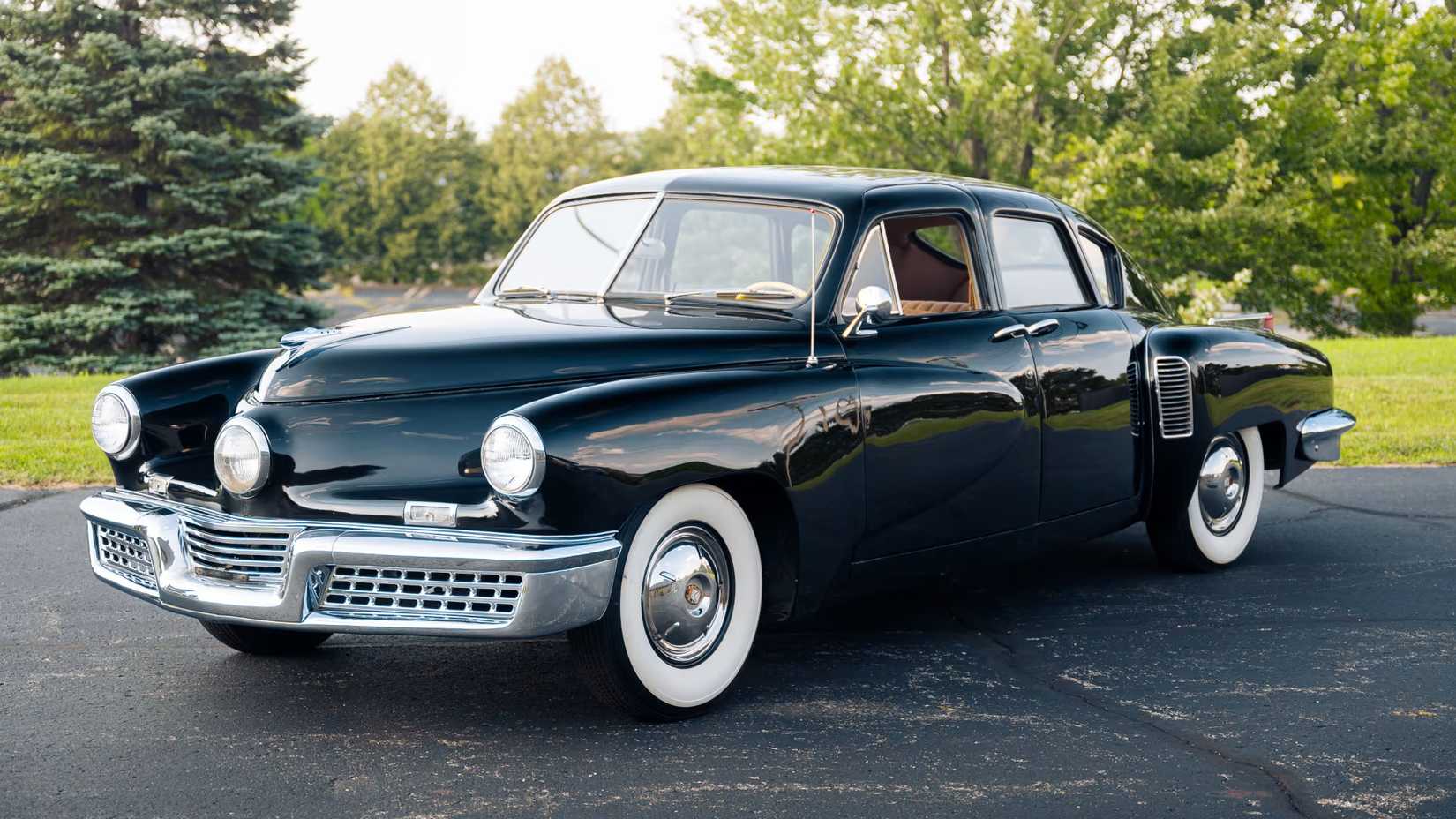
One now-defunct marque was already ahead of the curve, especially when it came to safety and innovation. The brand in question is Tucker, and its only model, the 48, is one of the most influential and forward-thinking cars ever. In addition, its engine is pretty odd, too. The powerplant was actually a modified helicopter engine. However, due to a litany of reasons outside its control, only 51 Tucker 48s were ever built.
How The Tucker Torpedo Influenced The Automotive Industry Decades After Its Demise
This forgotten hero never made it to large-scale production but left a very important legacy behind.
A New Way Of Motoring
Quick Facts About The Tucker 48
- Also called the Tucker Torpedo
- Borrowed its engine from the company Franklin
- Featured numerous safety innovations
- Built in Chicago, Illinois
- Only produced for a single year
Seeing as nearly all larger, established automakers were contracted by the US government to produce wartime materials during World War II, the transition back to passenger cars was a gradual process. Brands like Ford and Chevrolet also had loads of pre-war bodies and engines to get through to make room for anything new. These issues with overstock and retooling gave smaller automakers a head start in the revitalized American automobile market.
One such automaker was Tucker, founded by Preston Tucker. He had been dabbling with a concept model for several years, beginning his work during the war itself. To get some much-needed expertise on his project, Tucker hired George S. Lawson, an automobile designer prominent at the time. For over 18 months, Lawson and Tucker slaved over the design, and finally showed the public the finished mock-up in 1946.
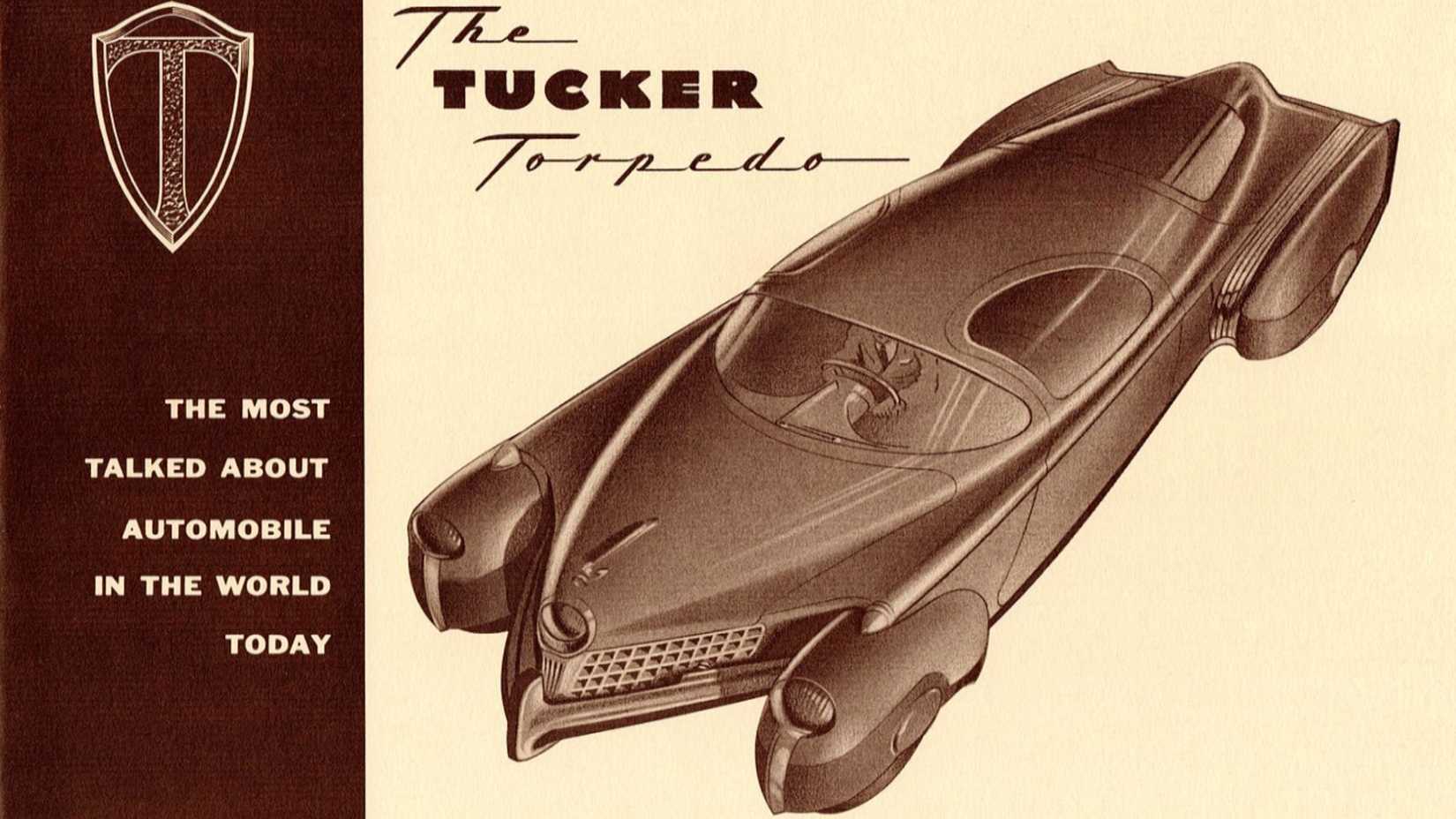
Because of its long, low, and somewhat bulbous design, the concept resembled a torpedo, which led to the project’s unofficial name. The Torpedo looked good, and the public loved it, spurring Tucker on to create a company named after himself. Immediately upon its founding, Tucker named Lawson its chief stylist.

Every Time Chrysler Tried To Build A Turbine-Powered Car
The turbine engine was meant to be the automotive propulsion method of the future. Things, however, didn’t quite work out that way for Chrysler.
Trouble Brewing
It wasn’t long before Preston Tucker was inundated with issues. The relationship between Lawson and Tucker would be short-lived, and Tucker was forced to find a new chief stylist. The first prototype was ready for the public, and in June 1947, it was revealed to a crowd of roughly 3,000 people in Chicago. However, the prototype Torpedo suffered from numerous issues before and during its debut.
The night before the event, both of the Torpedo’s front control arms snapped under the car’s sheer weight. Its prototype engine, one of Tucker’s designs, was exceedingly noisy, prompting Tucker to tell the band accompanying the event to play as loud as possible to drown out the noise. To make matters worse, while the prototype was being driven onto the stage, it boiled over slightly, releasing a small plume of steam. He also couldn’t shut the engine off during the event, as its starter required additional power supplied by an actual power outlet to work properly.
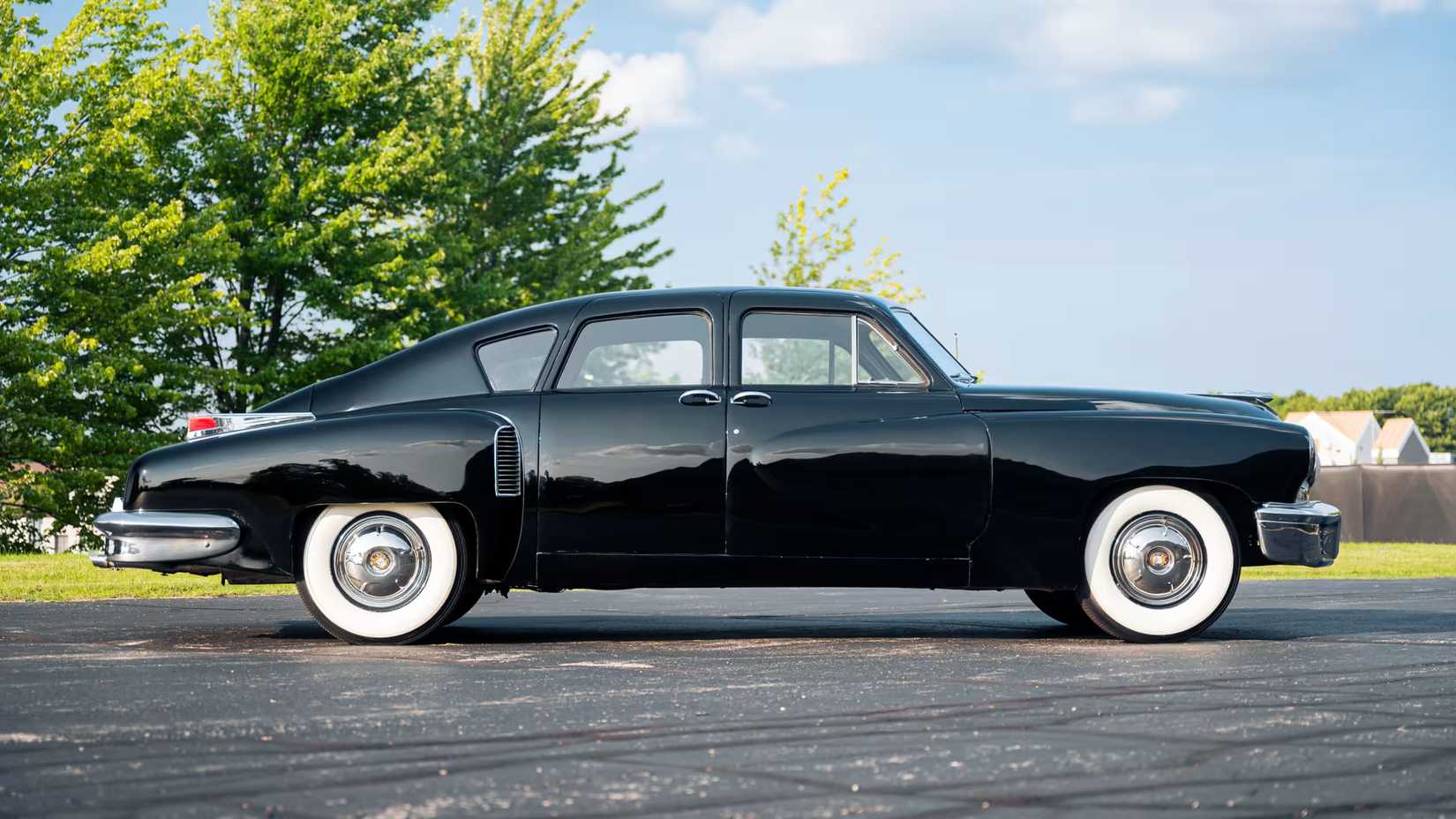
A reporter present at the event, Drew Pearson, called the Torpedo prototype a failure straight away. Reportedly, the model couldn’t go in reverse, and it also wallowed badly while driving. According to Tucker, these issues were due to the haste with which the prototype was assembled. However, public opinion was influenced, and Tucker’s fragile standing with the American public never recovered. Still undeterred, Preston Tucker and his company continued soldiering on.

2024 Mitsuoka Himiko Is A Mazda Miata With 1940s Styling
Would you spend nearly $50,000 on a Miata with retro styling?
An Engine Meant For The Clouds
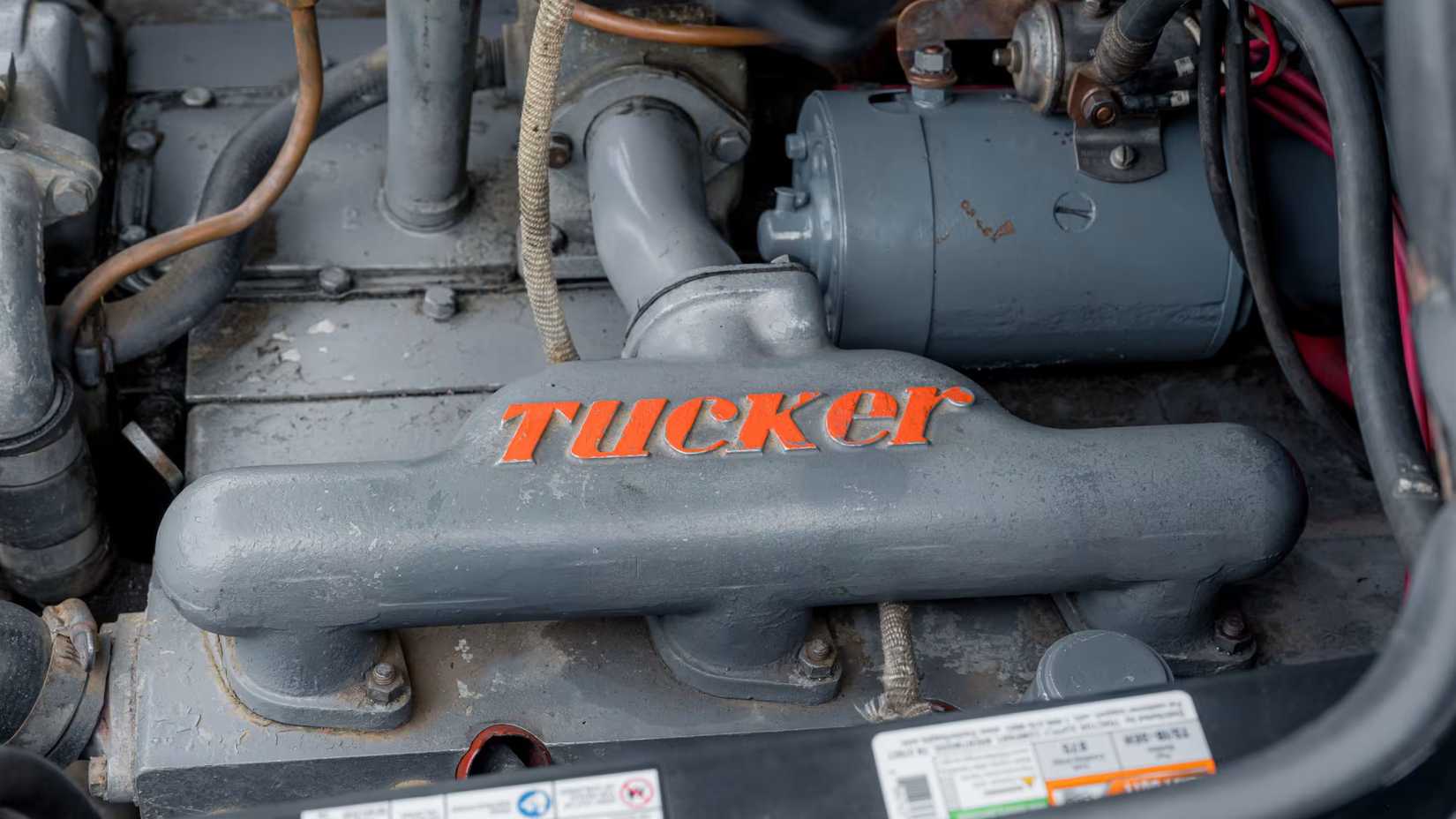
At first, Preston Tucker tried his hand at producing his own homebrew engine. However, the mill fell short of its horsepower promise of 150 hp, producing only about 88 hp. It was also heavy, complicated, and expensive to produce. So, he reached out to Franklin for its O-335 flat-six, air-cooled engine that was used in various aircraft, including the Bell 47 helicopter.
Tucker had his small team of engineers convert the O-335 to water cooling, and extensive modifications were made to help it fit into the Torpedo’s rear engine compartment. The modified engine was allegedly reliable, as it ran at full throttle for 150 hours straight, the equivalent of driving 18,000 miles.
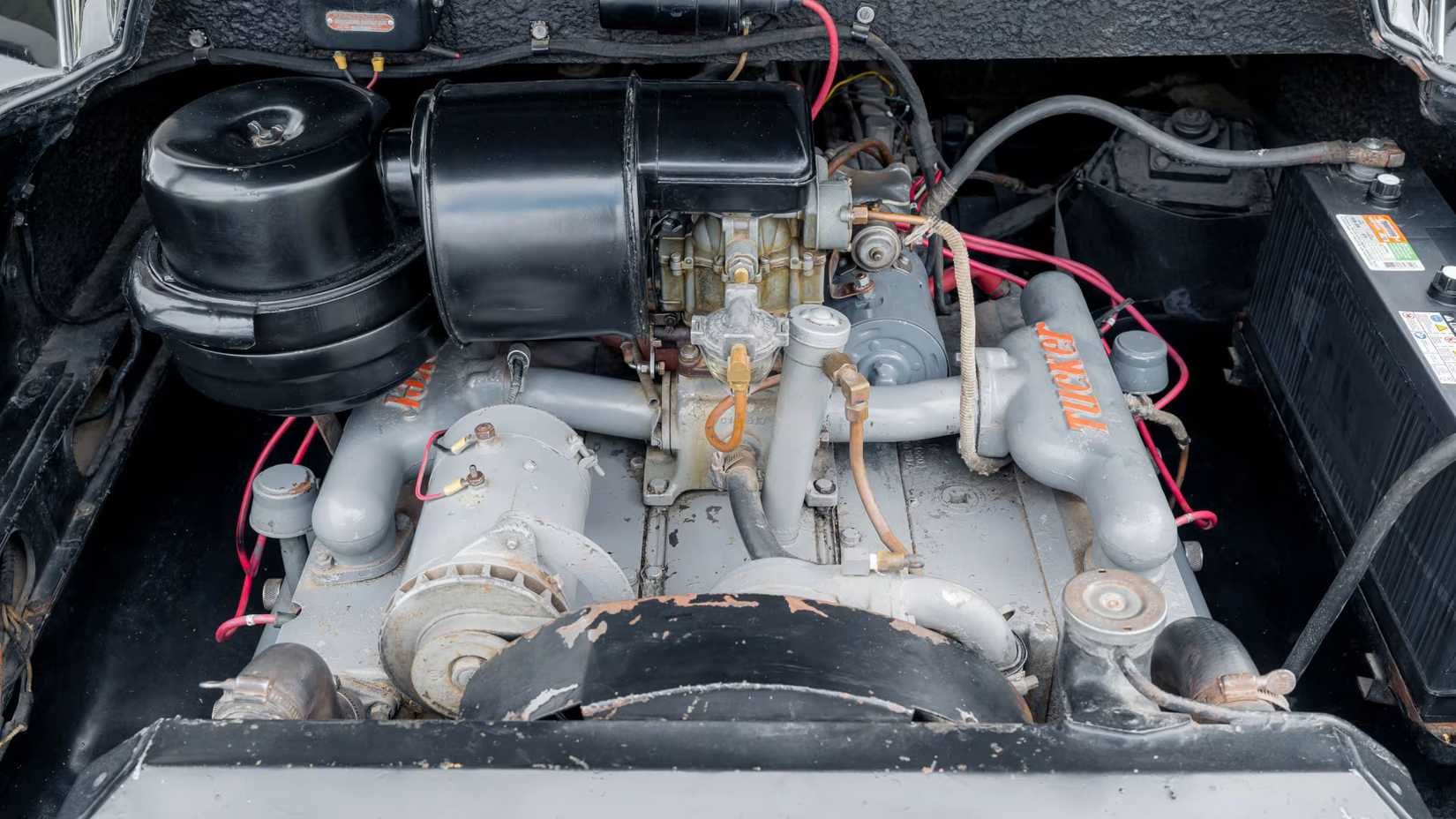
Having been extremely impressed by the Franklin O-335’s durability, Tucker immediately bought the engine’s parent company, Air Cooled Motors, and canceled every single existing contract the firm had. In doing so, he ensured that the entire company could focus solely on producing his modified O-335 for use within the Tucker 48.
However, this move would prove catastrophic for Tucker, as Air Cooled Motors held a significant amount of government contracts that supplied the majority of the firm’s income. Once they were all canceled, the lack of contracts left the company cash-strapped. However, as usual, Preston Tucker and his now-doomed company soldiered on.
|
Engine Details |
5.5L NA flat-six |
|---|---|
|
Horsepower |
166 hp |
|
Torque |
372 lb-ft |
|
0-60 MPH Time |
10 seconds (est.) |
|
Top Speed |
120 mph |
|
Compression Ratio |
7.0:1 |
|
Curb Weight |
4,200 lbs |
*Specs courtesy of Supercars.net

Buick Once Tried To Bring European Styling To The States With This ’50s Heartthrob
Back when the automotive world was trying to copy the US, Buick attempted to bring a little bit of class from the Old Continent to the Colonies.
Innovations Galore
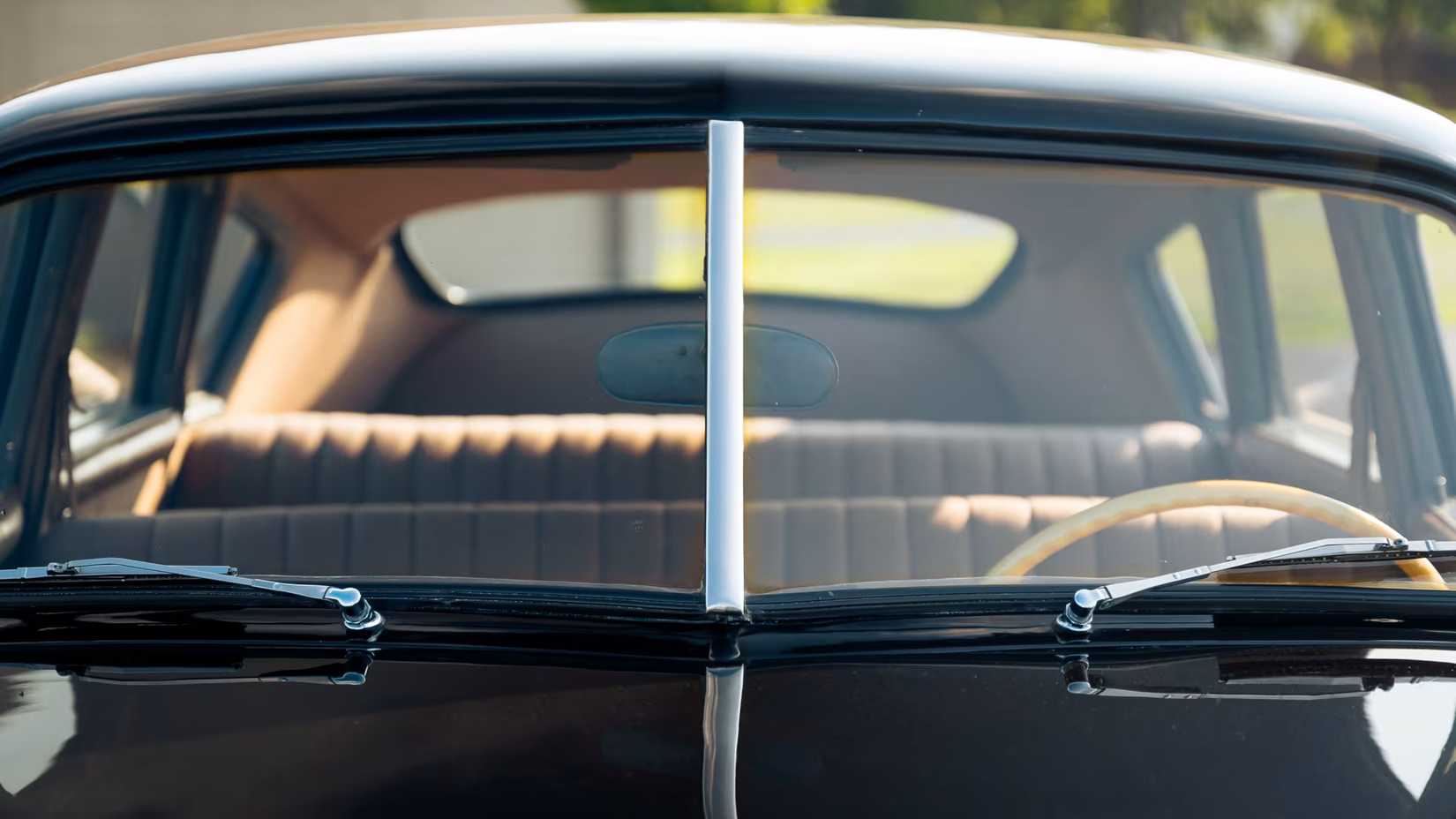
The Tucker Torpedo was meant to be the car of the future. One of its hallmark design features was its rear-engine, rear-wheel drive layout. While this was nothing new on the world stage, it would be a first for an American production car. In addition, the center headlight swiveled to match the driver’s steering input. Again, nothing new, but something never before seen on a US-built automobile. It’s reported that 17 states had laws prohibiting more than two headlights in 1948, so Tucker created special covers that could be placed over the central headlight in those states.
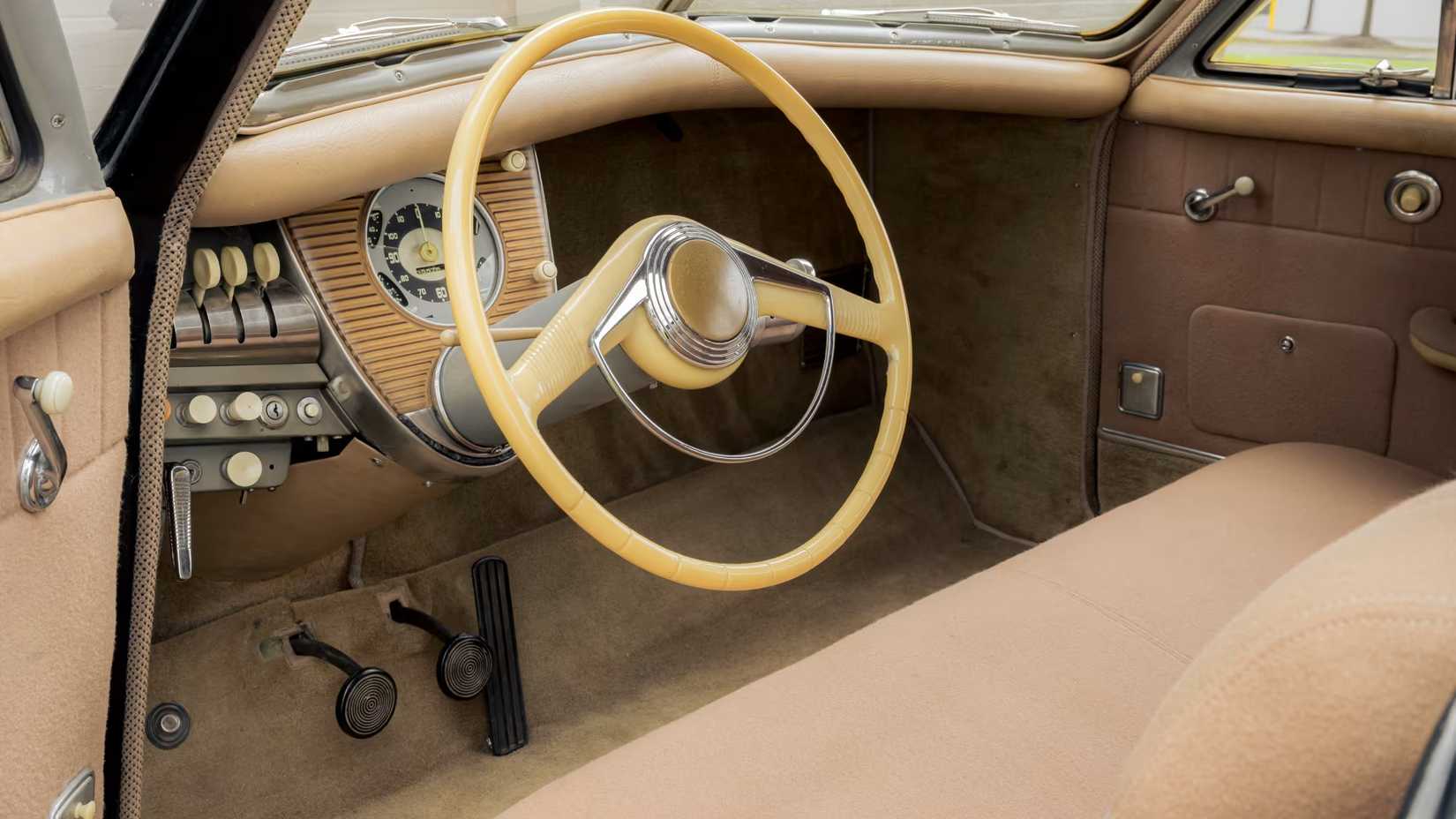
The Tucker 48 also employed a new perimeter frame. The chassis design was meant to provide more protection and rigidity, both of which help in the event of a crash. It also had a roll bar built into the roof, which improved safety during a rollover. The Tucker-patented steering gear was positioned behind the front axle and built to be collapsible, which helped protect the driver in a front-end collision. All the 48’s glass was laminated and designed to pop out entirely in an accident, reducing the risk of large, flying shards if the panels broke.
Preston Tucker also had his eye on numerous other innovations, but time and cost kept them from coming to fruition. These ideas included things like magnesium wheels, fuel injection, self-sealing tires and disc brakes.
A True Failure?
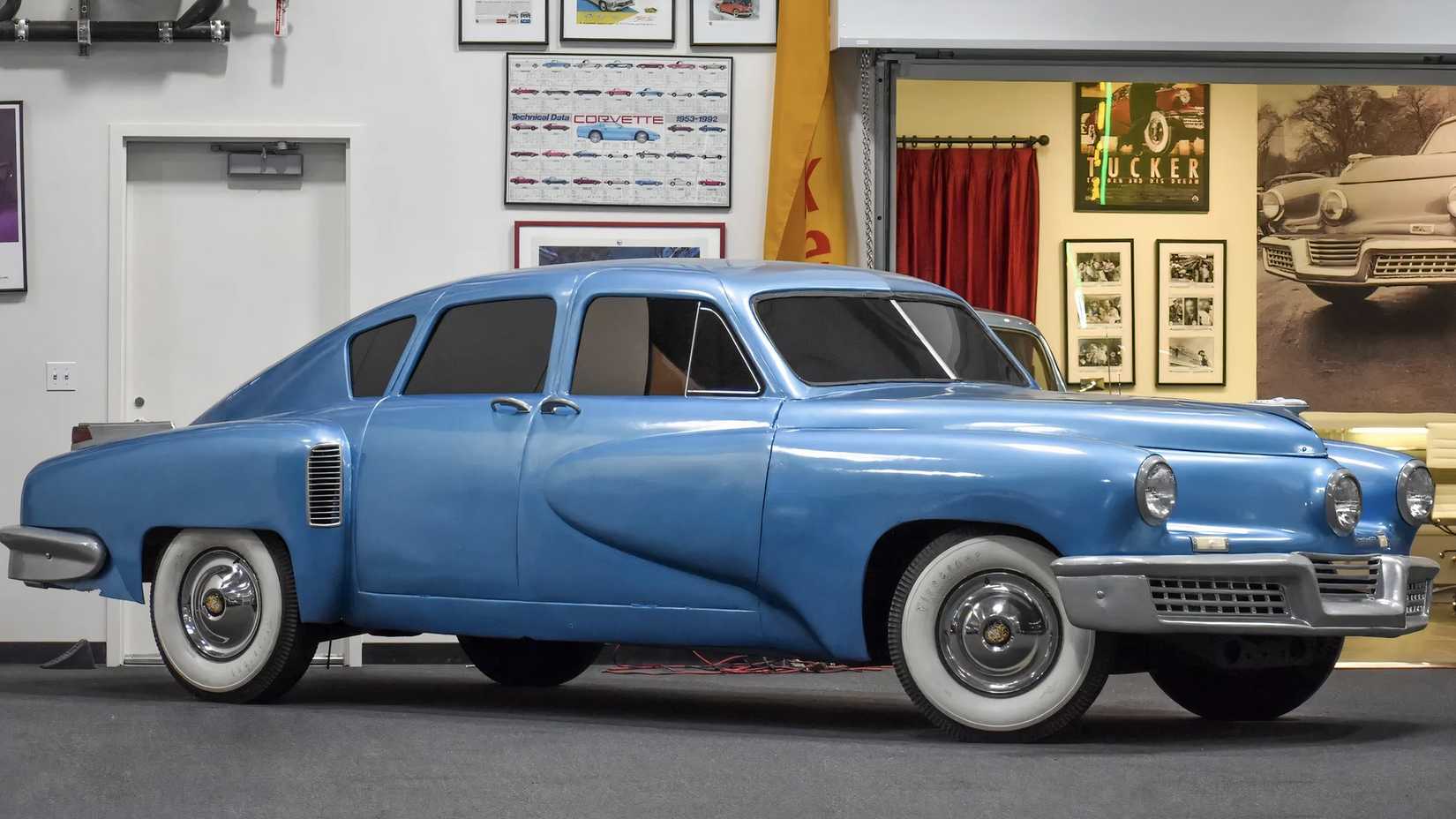
While Preston Tucker made some questionable moves with his company, like showcasing a half-cooked prototype. Buying an engine maker and then gutting it was also a bad decision. That said, it should have been a shoo-in once the American public got their hands on production models. However, more bad news was unfolding behind the scenes at Tucker headquarters.
The Tucker company had submitted two bids for steel mills to produce raw materials for building the Tucker 48. However, the government-backed War Assets Administration blocked both sales. In addition, a stock sale fraud accusation and trial were brought against Tucker himself. He was later fully acquitted due to a lack of evidence. An SEC investigation, which was later dismissed, was levied against the company for selling accessories for the Tucker before the car was actually produced.
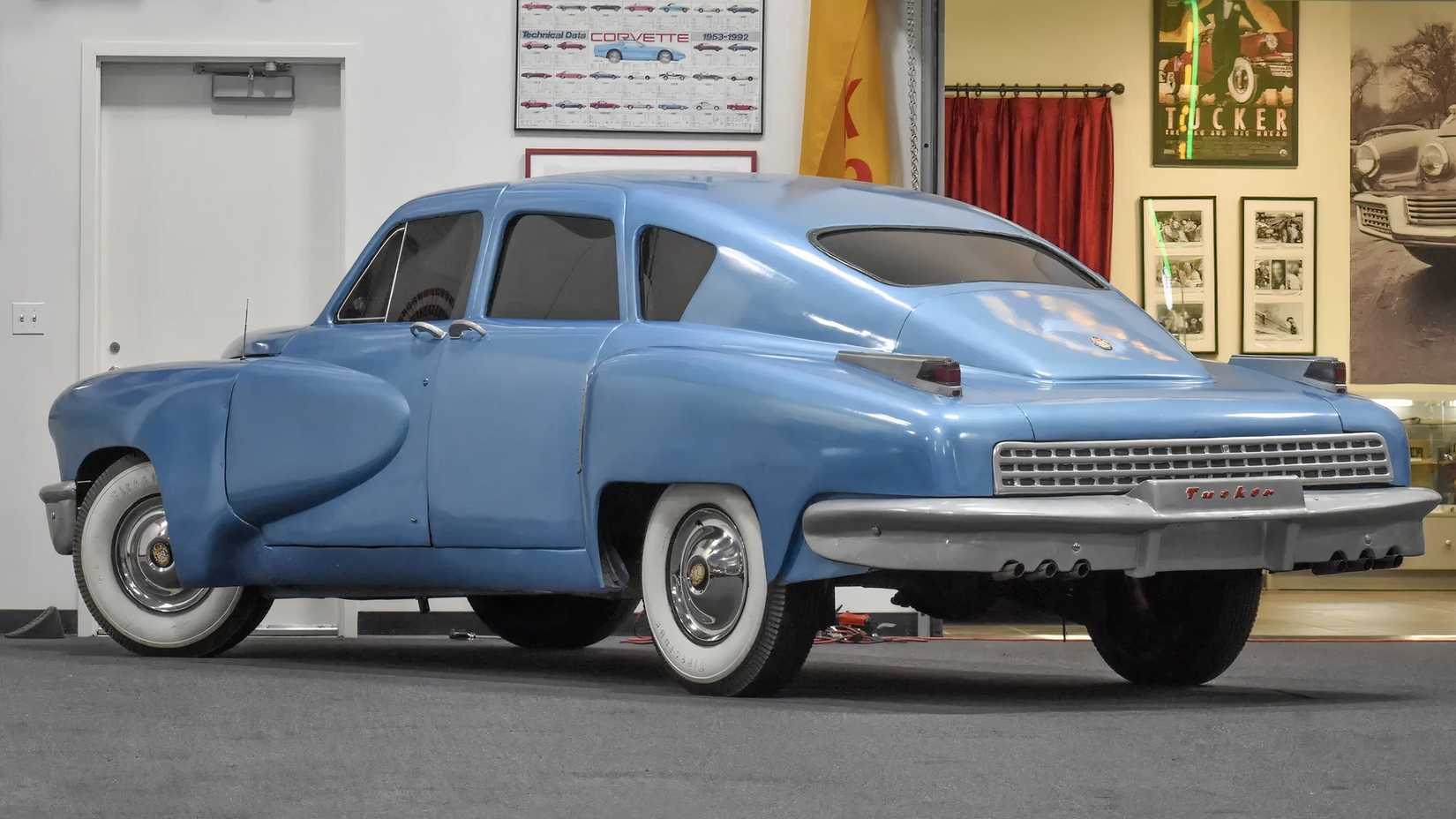
Thanks to all the accusations and legal fees, Tucker was forced to fold, even after the vast majority of legal issues were completely dropped. Instead of there being millions of Tuckers on the road, only 51 were produced. One of them was the doomed prototype. However, if you ever get into an accident or have a car with swiveling headlights, you can thank Tucker in part for your car’s use of the tech.
Sources: Supercars.net, CarFolio.com, TuckerClub.org
Search
RECENT PRESS RELEASES
Related Post