The Only Japanese Brands With No Hybrids Or EVs In Their Lineups
May 16, 2026
In today’s automotive world, electrification is the name of the game. Automakers are updating their lineups to include hybrid and electric vehicles, as increasingly strict emissions regulations and greater environmental concern influence the way the market looks. However, EVs and hybrids have not quite captured the public’s attention as quickly as expected, and in recent years the progress of electrification has slowed down. Some brands do not have an electrified lineup at all.
There are currently just two Japanese car brands with no electric or hybrid vehicles as part of their lineup: we are talking about Acura and Infiniti, the luxury branches of Honda and Nissan respectively. Let’s take a look at how the two brands’ electrification strategy failed to take off and some of the underlying reasons why.
Why Do Acura And Infiniti Not Offer Hybrids Or EVs?
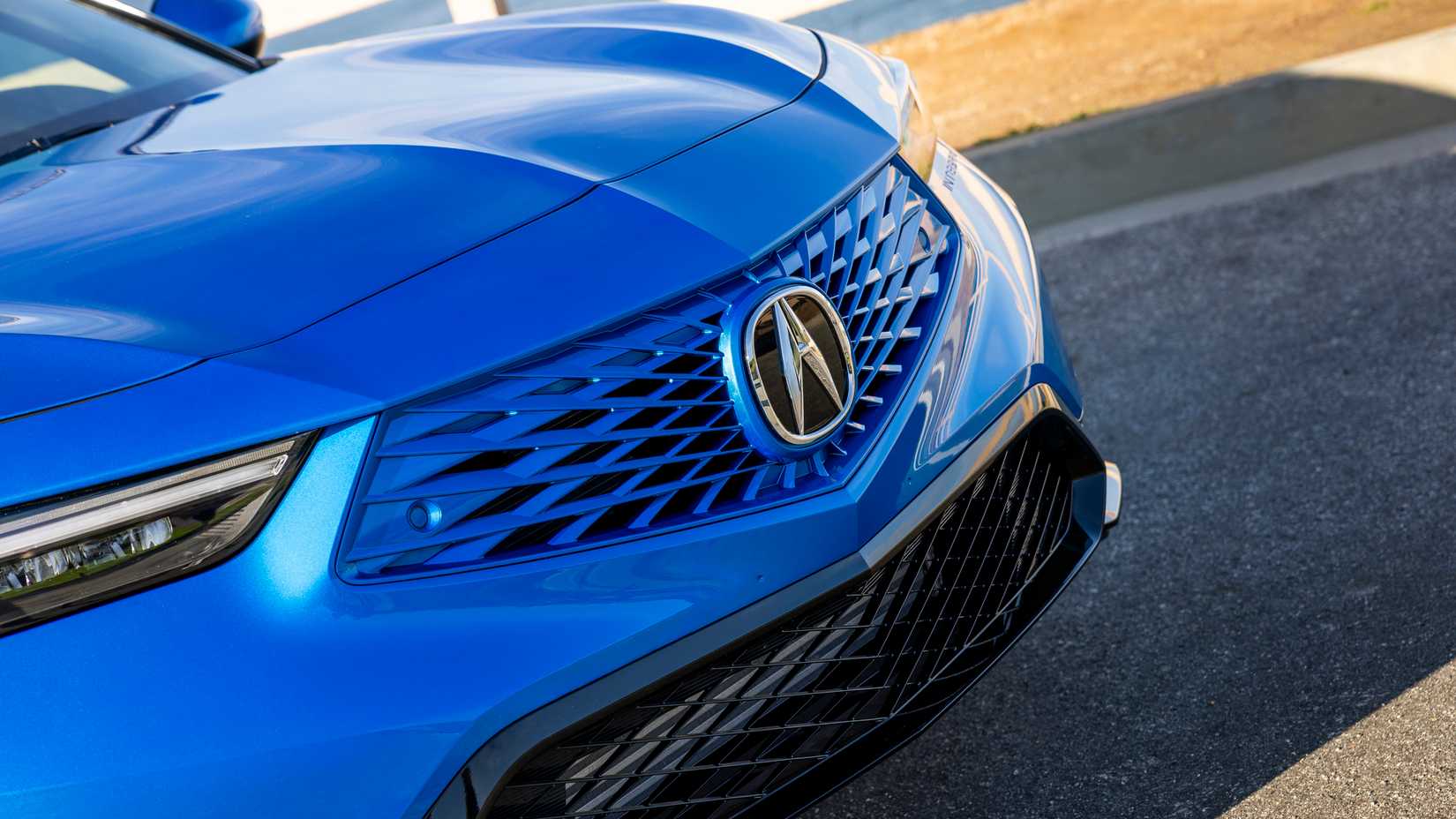
Acura and Infiniti are simply slightly more extreme examples of a phenomenon that has affected a large number of automakers around the world. While, in the case of most brands, the step back from full-steam-ahead electrification has simply consisted of scaling back the lineup or canceling new models, for Acura and Infiniti it has resulted in a total absence of EVs or hybrids. There are two major driving factors behind this phenomenon: lower-than-expected customer demand for EVs, and the resulting slowdown in the pace of the industry’s overall shift towards electrification.
Acura’s relationship with electrification has been a complicated one. The brand’s original plan was to bypass hybrids completely and instead embrace fully electric vehicles; its aim was for 60% of sales to be fully electric by 2030. Reality, however, has proven to be very different.
The very first EV to wear an Acura badge was the second-generation ZDX, a crossover based on a GM platform also used on the Cadillac Lyriq and the Chevrolet Blazer EV. The ZDX nameplate was brought back after an 11-year hiatus; the first generation, visually almost completely unrelated to the new vehicle, had been a gas-powered model only sold between 2010 and 2013. Its successor, however, was an even bigger commercial failure.
The new ZDX was discontinued after just one year, with low sales as the biggest driving factor. A year later, Acura unveiled another electric vehicle, the RSX, also a crossover that revived an existing nameplate. However, the RSX didn’t even make it as far as the ZDX, being killed off before even reaching the production stage. Acura’s customer base has shown low interest in electric vehicles; the brand was forced to change its strategy as a result, with electrification no longer being a core goal. Although the recent elimination of the $7,500 tax credit for EVs was not explicitly cited as a factor, there is a chance it played a role in Acura’s trajectory and its change of course.
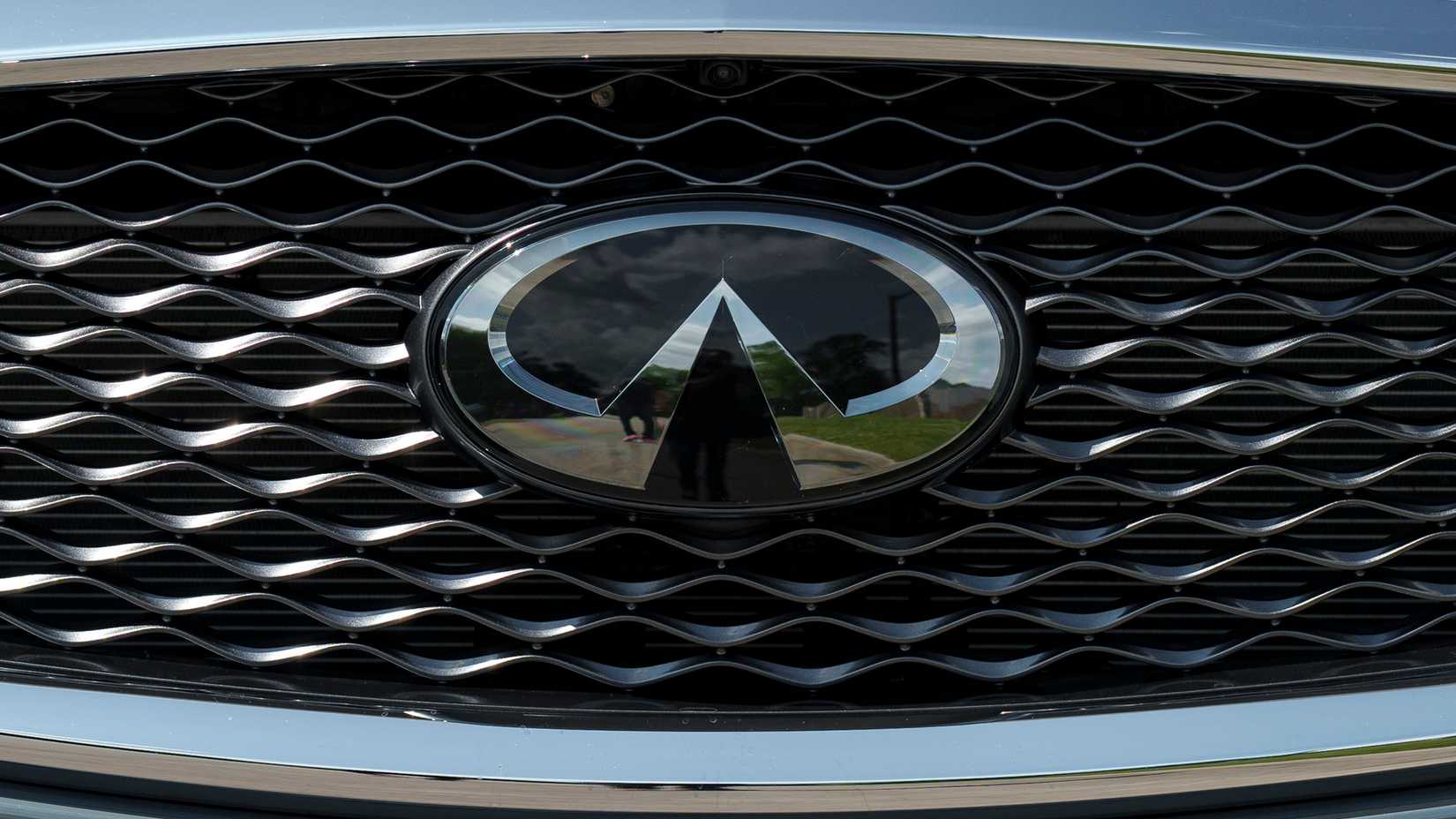
The changing shape of the market and changing customer demand were also cited as factors in Infiniti’s U-turn on EVs. In a similar fashion to Acura, the brand originally had plans to shift to an electrified lineup, however these plans were later altered due to market changes. The Q50, which went out of production after the 2024 model year, was due to be replaced with an electric model, however this plan was canceled as part of the strategy reworking. The upcoming new Q50 is, instead, likely to be powered by the 3.0-liter twin-turbo V6 seen in the Nissan Z.
Acura: Honda’s Luxury Brand
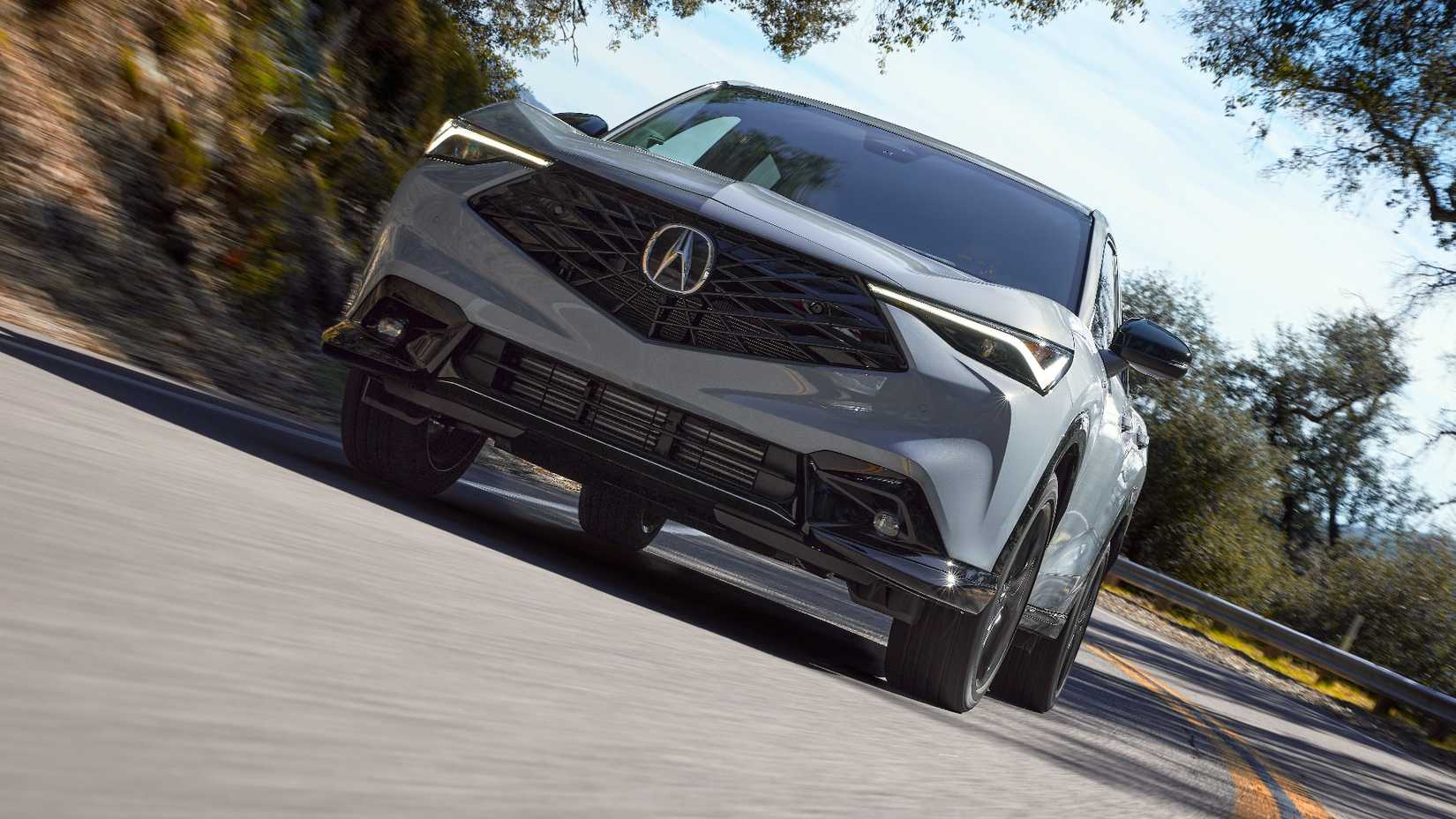
Acura, Honda’s luxury and performance division, was launched in 1986. Although it has sold vehicles in various regions around the world, the US is its primary market; some models sold as Hondas elsewhere (such as the legendary NSX) have been marketed under the Acura brand in the US.
Acura was notable for being the first luxury division set up by a Japanese automaker. It was initially launched with just two models in its lineup, the Legend and the Integra, but thanks to its commercial success, it rapidly expanded in a relatively short space of time. Acura paved the way for other brands to take a similar initiative; over the course of the next few years, both Toyota and Nissan followed Honda’s example by launching their own luxury sub-brands.
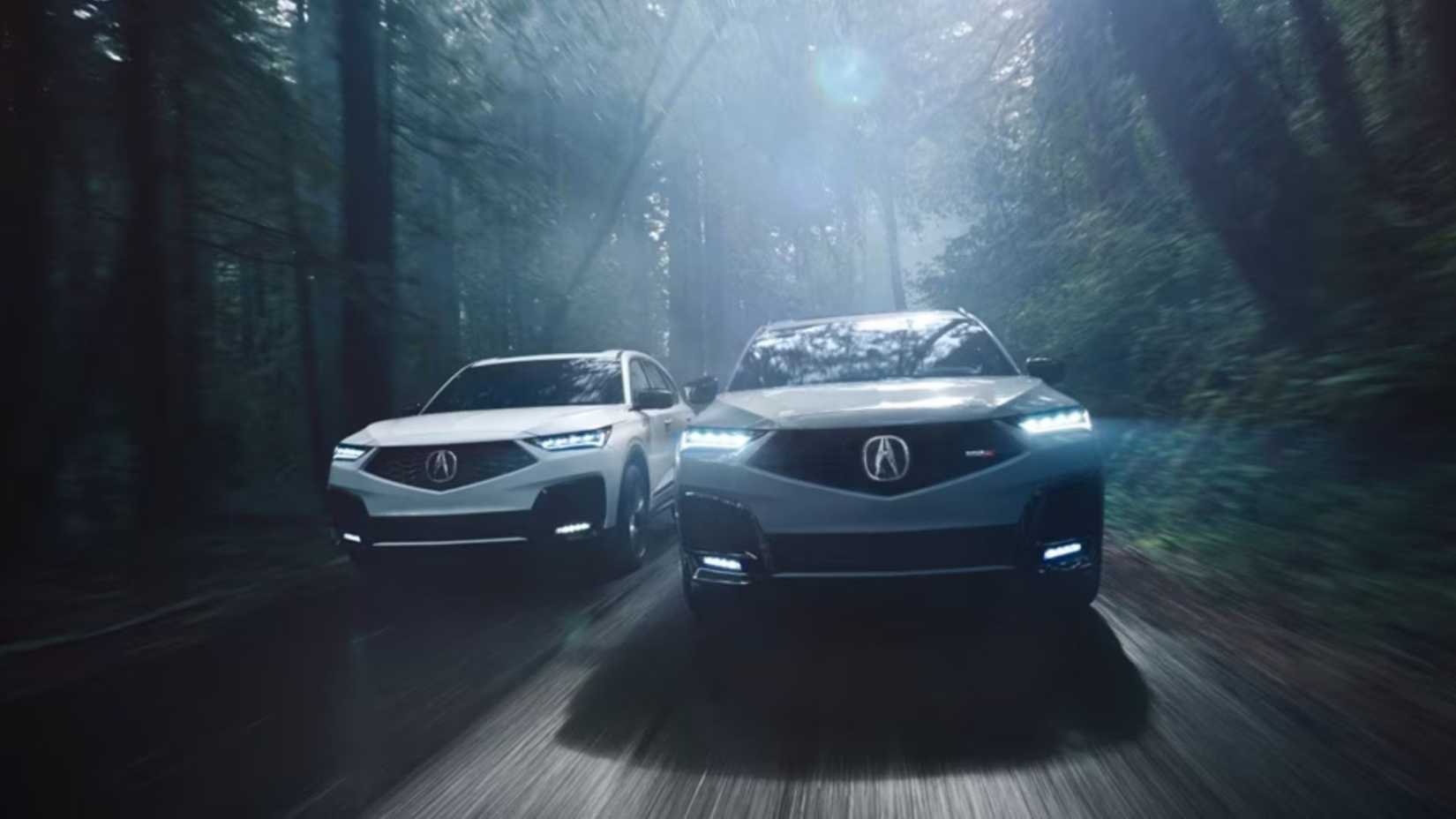
The current Acura lineup consists of just four vehicles, three of which are crossovers and SUVs (the RDX, ADX, and MDX). The only non-SUV member of the family is the Integra liftback. Both the Integra and the MDX also offer a high-performance Type S version; the Type S name was reintroduced in 2021 after a long hiatus.
Infiniti: Nissan’s Luxury Brand

In 1989, three years after Honda launched its luxury division, Nissan introduced its own: Infiniti. Like Acura, Infiniti was launched with a two-model lineup: the Q45 and the M30. It was initially focused entirely on the North American market, built to compete with premium brands and offer vehicles that would not fit in Nissan’s mainstream lineup. However, the brand later expanded around the globe and now sells vehicles in 25 different markets, including China and the Middle East.
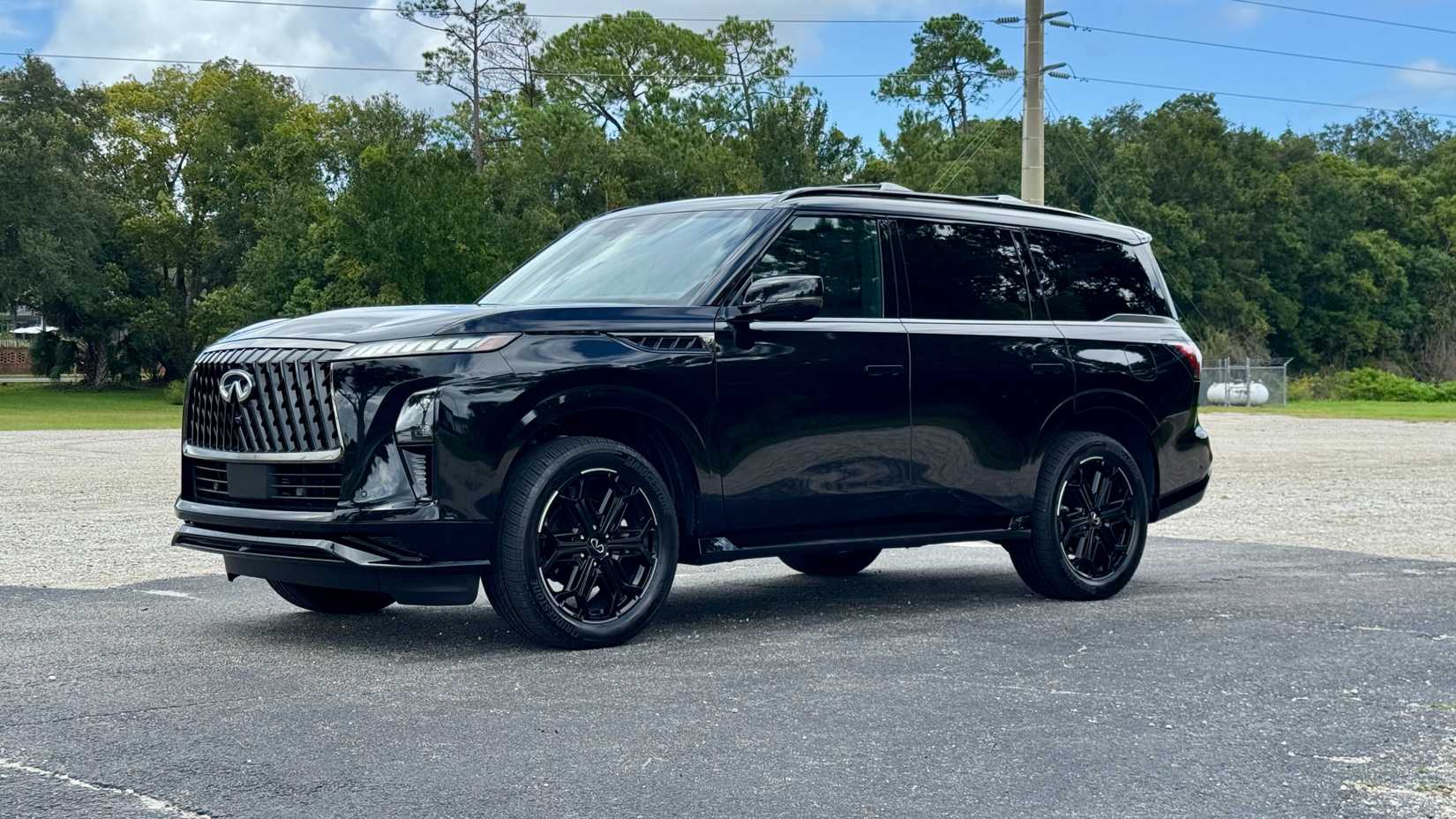
Infiniti’s current lineup includes just three vehicles, all of them crossovers and SUVs: the QX60, the QX80, and the recently launched QX65. The brand does not currently have a sedan in its lineup as its last remaining sedan, the Q50, was recently discontinued; however, the model is likely to come back for a second generation in the not-too-distant future.
The Two Brands’ Mainstream Counterparts: Honda And Nissan’s Electrification Journeys
Acura and Infiniti are, respectively, members of the Honda and Nissan families. While their high-end sub-brands do not feature any electrified vehicles, Honda and Nissan do have plenty of hybrids and EVs in their lineup. The two companies have been through a long electrification journey, and are continuing to pursue that strategy alongside most other large automakers.
Honda had been carrying out research on electric vehicles since the mid-’80s, but it wasn’t until 1997 that the brand’s first electric vehicle, the EV Plus, was introduced. While it was available in the US, the EV Plus was offered exclusively for leasing rather than purchase. The model had a very small production run, with only about 300 units being built.
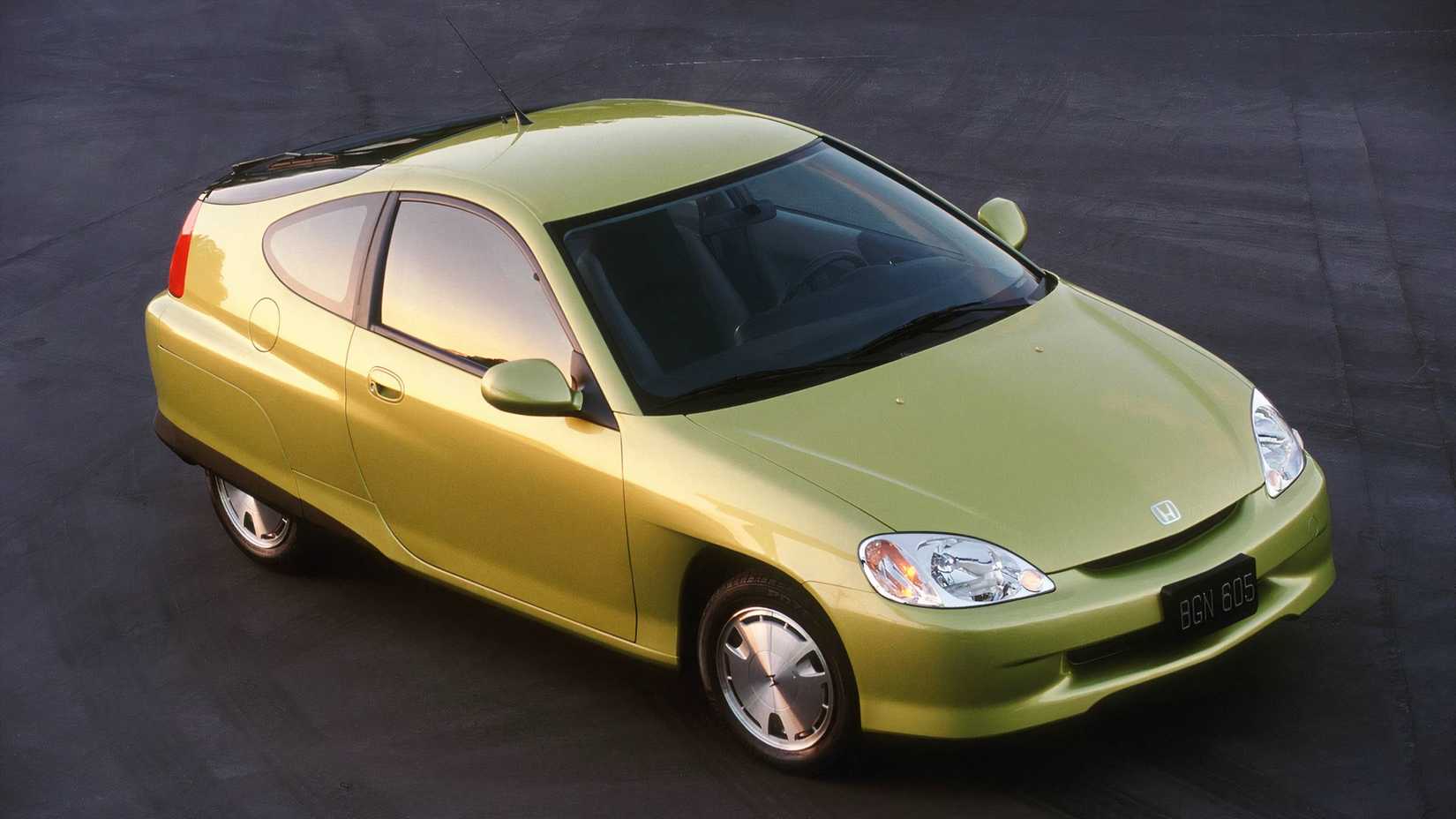
Two years later, Honda made another, far larger step forward in its electrification journey. While most people might think the first hybrid car commercially available in the US was the Toyota Prius, the model that can truly claim that title actually comes from Honda. The Insight was released on the American market in December 1999, while the Prius arrived a few months later in the summer of 2000.
The First Hybrid Car In America Wasn’t The One You Think
The Toyota Prius really planted a flag for hybrids in the US, but it wasn’t the first to market. Why didn’t this early hybrid dominate the segment?
Further hybrid vehicles followed, such as the Civic Hybrid and the CR-Z. However, it wasn’t until 2024 that Honda launched its first full EV available for sale on the US market: the Prologue SUV, developed jointly with GM. However, the Prologue is unlikely to remain on the market after the current model year.
Nissan’s electrification history goes even further back, with its first EV having been produced near the beginning of the company’s history in 1947. The Tama only lasted three years, but marked the start of a trajectory that continues into the present day. One of the most famous electric Nissan models is the Leaf, which arrived in 2011 and is still produced today. Thanks to its affordability and compact dimensions, the Leaf helped launch electric vehicles into the mainstream, paving the way for the EV landscape of today.
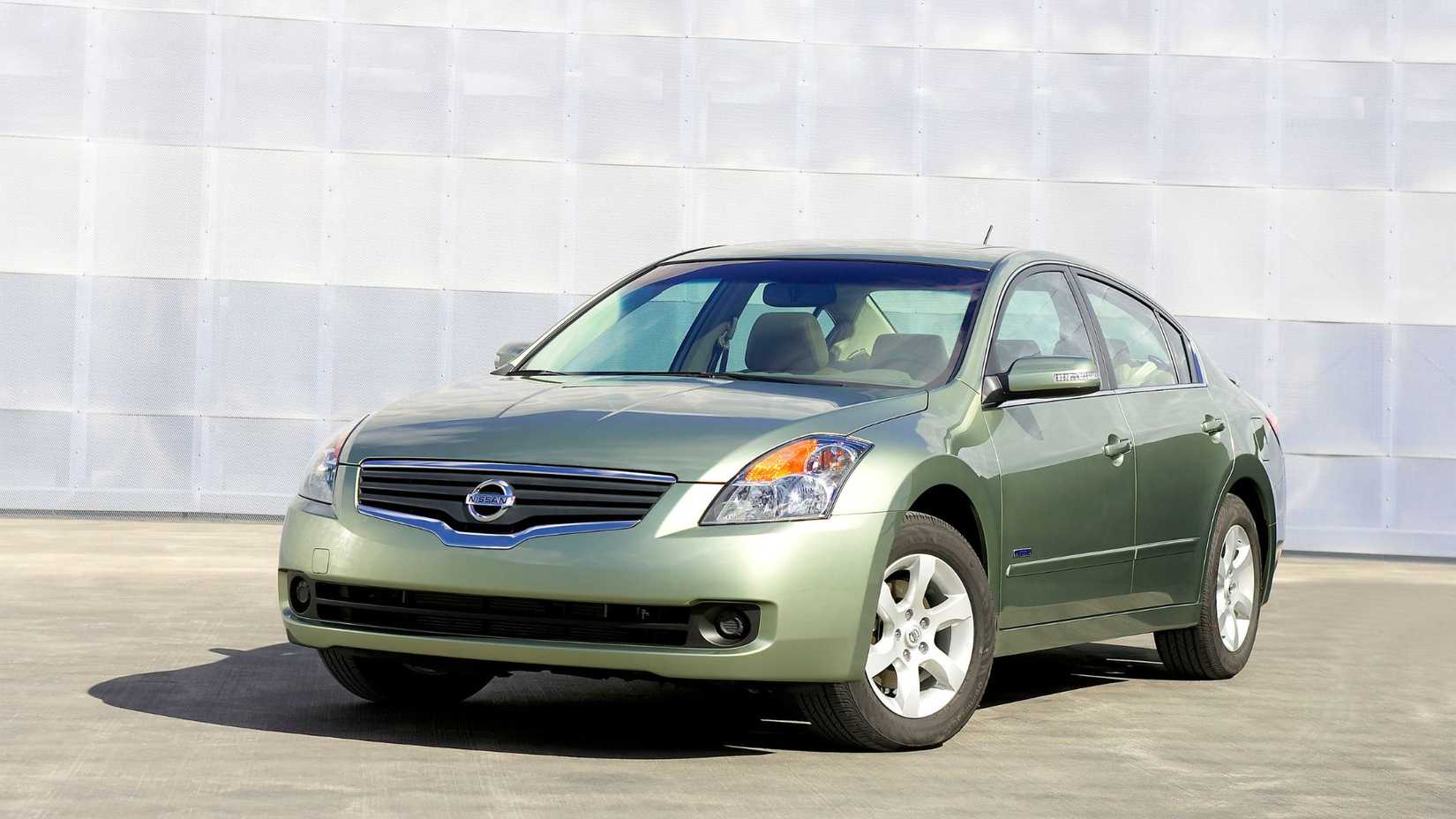
The brand’s first hybrid vehicle was launched in 1999 (the Almera-based Tino), however it was not available in the US. It wasn’t until 2007 that the Altima Hybrid marked the company’s hybrid debut on the American market.
While electrification is a part of the equation for both Honda and Nissan, when it comes to luxury vehicles these two brands have chosen to go in a different direction, at least for the time being. Of course, things may change for Acura and Infiniti in the future, but right now they stand out as unique outliers in the world.
Sources: Honda, Nissan
Search
RECENT PRESS RELEASES