The Race to Build the World’s Largest Solar Farms Is Accelerating
May 31, 2026
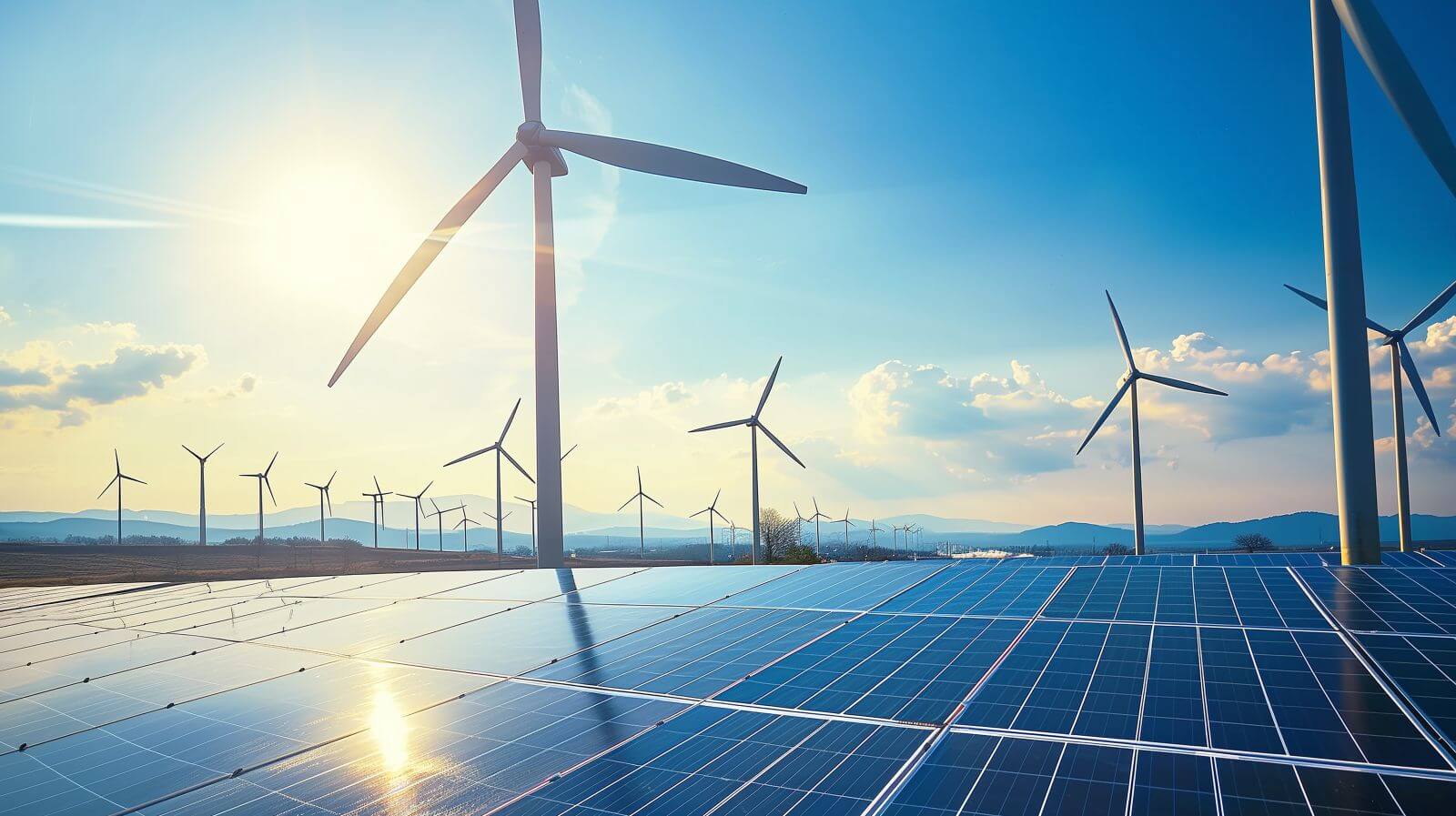
Over the last two decades, solar panels have fallen in price while efficiency has increased. Greater uptake and high levels of investment in research and development have led to vast improvements in solar power technology. As panel prices fall and governments worldwide look to diversify their energy mix and cut emissions, several developers are now launching mega-projects to meet the growing demand.
Most major solar projects developed in recent years provide hundreds of megawatts of clean power. However, as operators become more ambitious and governments worldwide open up more land for development, we are seeing the rise of the giga-scale solar park. This was first seen in China, which has developed several gigawatt-scale projects. However, the United States and other countries are quickly developing their own giant solar projects.
To develop gigawatt-scale solar projects, operators must have access to vast quantities of land, a large, skilled workforce, and invest in the necessary transmission infrastructure. The heavy land use suggests that we may see more large-scale solar development in remote areas on non-arable land, such as deserts and regions plagued by drought.
In China, the largest group of solar farms is the 16.9 GW Talatan Solar Park. The park covers 162 square miles in Gonghe County, an alpine desert in sparsely inhabited Qinghai, in western China. The unique thing about Talatan is that it is situated extremely high up, using higher altitudes for solar than any other country.
Electricity from solar and wind power in the desert, situated in the northern third of the Tibetan Plateau, costs around 40 percent less than coal-fired power. While the high altitude makes it perfect for solar panels to operate, the cold mountain air improves efficiency. China is further expanding the solar park, aiming to add vast quantities of clean energy to the region by installing solar panels alongside wind turbines and hydroelectric dams.
While China is racing ahead in terms of gigawatt-scale solar farm deployment, the United States is also developing several ambitious solar projects. In California, Golden State Clean Energy is developing a 21 GW solar farm, enough to power an entire city. The project is being built across 200 square miles of land. Huge batteries will help make the energy supply more reliable, storing energy to feed to the grid during the night.
While many farmers and politicians have raised concerns over such vast land use for solar projects in recent years, farms in this particular area are facing more severe droughts each year, meaning that they do not have enough water to grow so many crops. This has led many to seek alternative uses for their land.
Patrick Mealoy, a partner at Golden State Clean Energy, explained that the company is looking to develop a large-scale solar project, as to make the case to construct new multibillion-dollar power lines to carry electricity from the San Joaquin Valley to Los Angeles and Silicon Valley, the firm needs to develop a large enough solar capacity to make it worthwhile. “To actually have solar be productive, you need size and scale, a mass of projects that support the necessary investment in high voltage transmission lines to collect the electrons and move them,” said Mealoy.
However, Golden State Clean Energy still needs to get California’s electrical grid to approve the development of the necessary transmission infrastructure to commence construction on the project. As the project is so vast, Golden State will also require other companies to develop parts of the solar park, which could take around a decade to complete. “The state needs it. It’s permitted. It’s the right place for it. I’m excited about this,” stressed Mealoy.
Meanwhile, in India, the Khavda Renewable Energy Park is expected to provide 30 GW of combined solar and wind capacity once complete, with utility-scale batteries installed to provide power day and night. The park is being developed over 200 square miles of land in the Rann of Kutch, a seasonally flooded salt flat in Gujarat, in western India. The region is known for its strong winds and abundant sunshine. Construction on the project commenced in 2023, and the first 551 MW of clean power came online in February 2024.
The project is being developed by billionaire Gautam Adani, who grew his wealth building ports, airports, and coal plants, and has since turned his hand to manufacturing and installing solar cells and panels. Power from Khavda is sent to customers in Mumbai and surrounding areas using an Adani-owned transmission corridor. Generation from the park currently stands at around 13 GW.
Several countries are now developing gigawatt-scale solar power projects as governments look to diversify their energy mix, and the price of solar panels continues to fall while efficiency increases. Some of the ambitious new projects in China, the United States, and India signal the trend that’s to come.
By Felicity Bradstock for Oilprice.com
More Top Reads From Oilprice.com
- Suriname Wants Two Wins From One Block: Gas Is Done, Oil Could Follow
- India’s Energy Investment Set for Record $170 Billion in 2026
- Uniper Sees Gas Shortage in Winter If Storage Rates Don’t Speed Up
Search
RECENT PRESS RELEASES
Related Post