The Short-Lived Muscle Car That Deserves A Comeback
March 29, 2026
Car history loves a sequel. The Volkswagen Beetle, for example, came back with a rounded retro shell, while the Fiat 500 returned and turned old-city-car charm into a modern fashion statement. Plenty of other famous names have taken the same road, because the industry understands that some badges mean more than a logo on a grille, and nostalgia sells.
Muscle cars rarely get that luxury, though. Once a name dies, it usually stays buried, or it comes back wearing the wrong clothes. That makes one missing badge feel even stranger today. The weirdest part is that it did not come from Chevrolet, Ford, or Dodge, but from a forgotten brand that once had some of the coolest offerings in the muscle car segment.

These American Cars Deserve A Modern Comeback
Some of America’s greatest nameplates are no longer on the market. Let’s bring them back.
Detroit Built Plenty Of Muscle Cars, But Few Took This Route
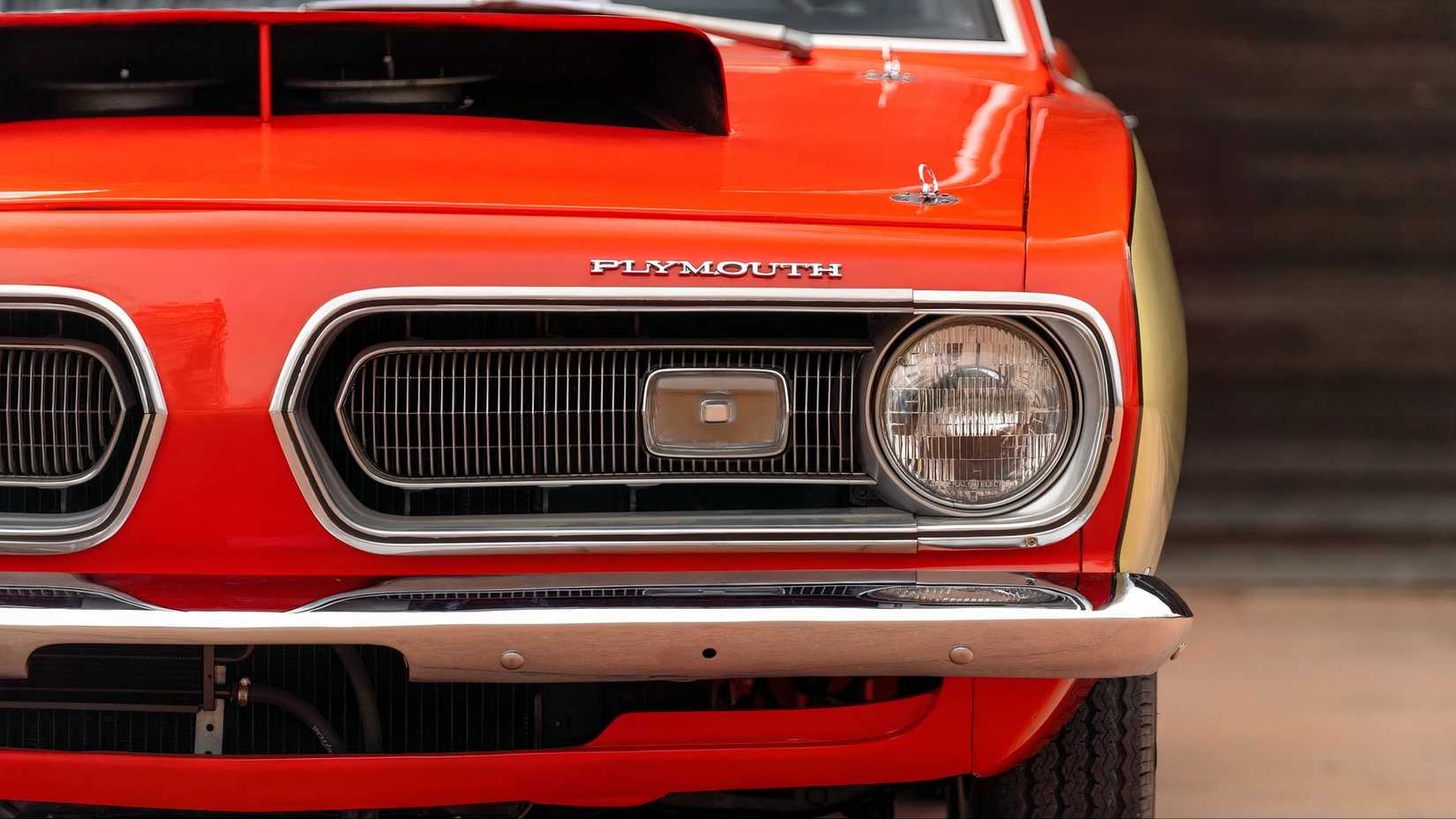
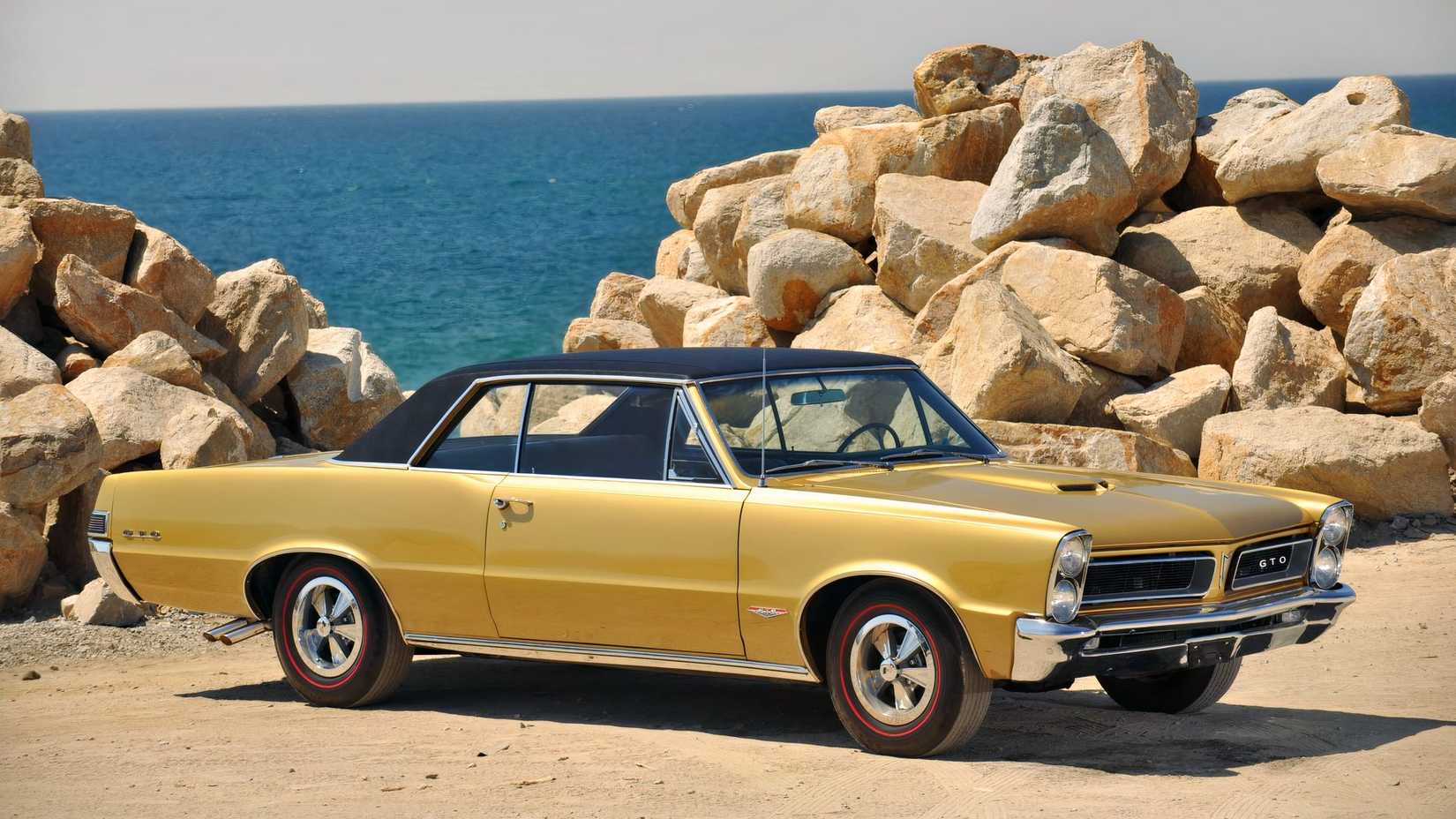
In the late 1960s, Detroit already knew the muscle-car recipe by heart. Start with a sporty coupe, give it a long hood, add a back seat that could hold actual people or at least a jacket and a bad attitude. Then stuff the biggest honest engine that accounting would allow under the hood. The Mustang, Camaro, Barracuda, Charger, GTO, and a long list of others all played some version of that game.
One small company looked at that formula and took a hard left. Instead of targeting the same four-seat crowd, it aimed at something leaner and stranger. The idea cut a foot from a pony-car wheelbase, threw away the rear seat, and leaned into a shape that looked tighter, lower, and more aggressive. That move sounded risky because it was… risky.
That gamble looked even wilder because it did not come from a giant with money to burn. The company behind it lived on smart engineering, shared parts, and guts. It developed this oddball coupe alongside a more conventional stablemate, not as a lazy afterthought after the fact. The short-wheelbase car was a real idea from the start, and it carried the kind of conviction enthusiasts can smell from a mile away. There is a difference between a car that loses its back seat by accident and one that never wanted a back seat in the first place.
The AMC AMX Was The Muscle Car That Broke The Mold
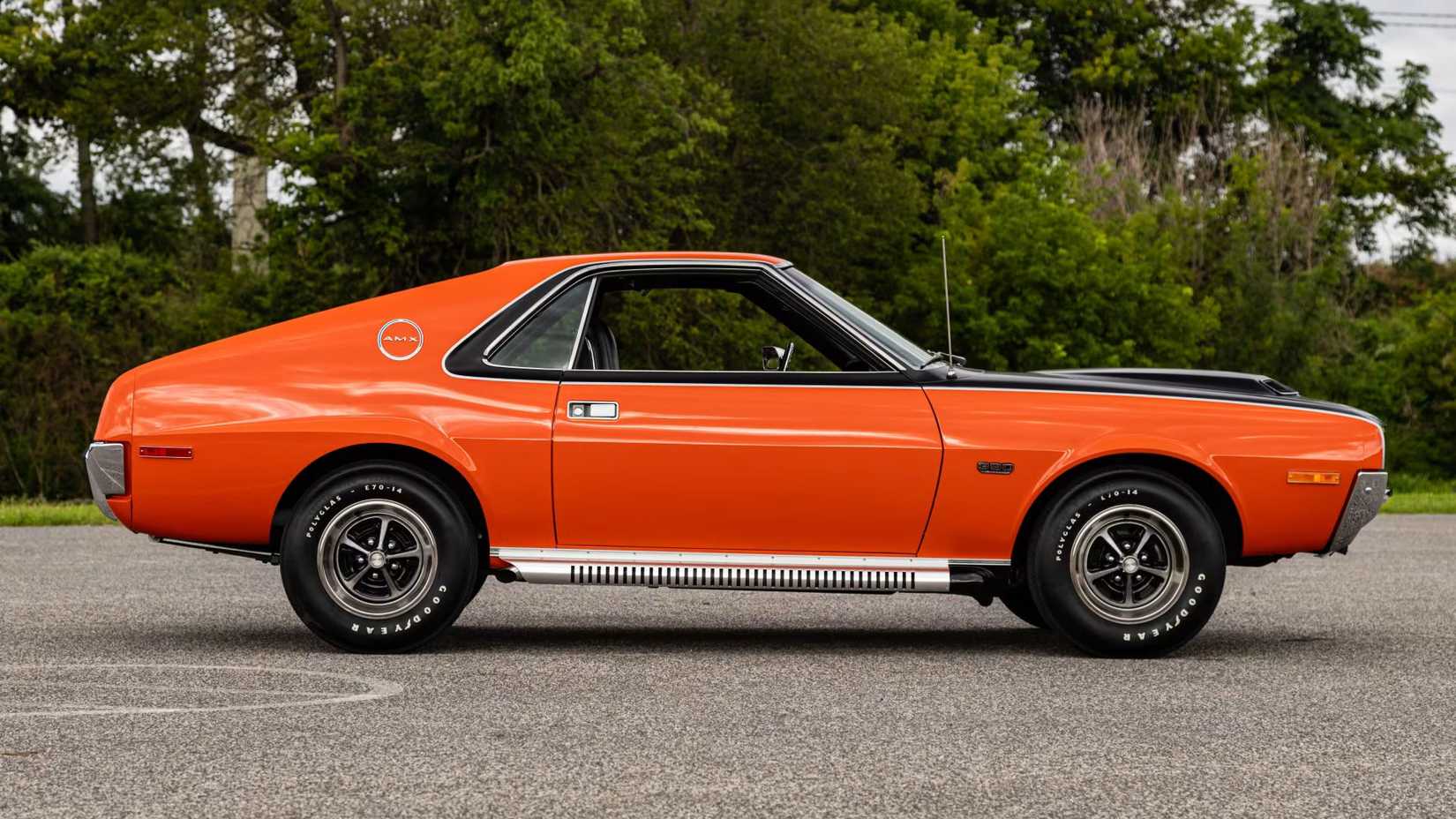
That car was the AMC AMX, and it arrived in February 1968, a few months after the Javelin. AMC showed it off at Daytona and priced it at $3,245, which put it more than a thousand dollars below a Corvette. It was also the first steel-bodied American two-seater since the original Thunderbird. It was also the only mass-produced domestic two-seat sports coupe on sale besides Chevrolet’s fiberglass star, and that alone made it a rebel. The fact that it came from Kenosha rather than one of Detroit’s household names made it even better.
The AMX shared plenty with the Javelin, but it never felt like a copy with parts missing. Its 97-inch wheelbase sits 12 inches shorter than its sibling and even shorter than the era’s usual pony-car crowd. That gave it a squat, coiled look, like it wanted to pounce even when parked. The long hood and abrupt rear deck made the proportions look almost European, but the nose, the stance, and the general swagger stayed all-American.
AMC had already played with the AMX name on its earlier concept cars, short for American Motors Experimental, so the production version arrived with a little show-car drama baked in. It looked compact in photos and even more compact in person, which only helped its attitude.
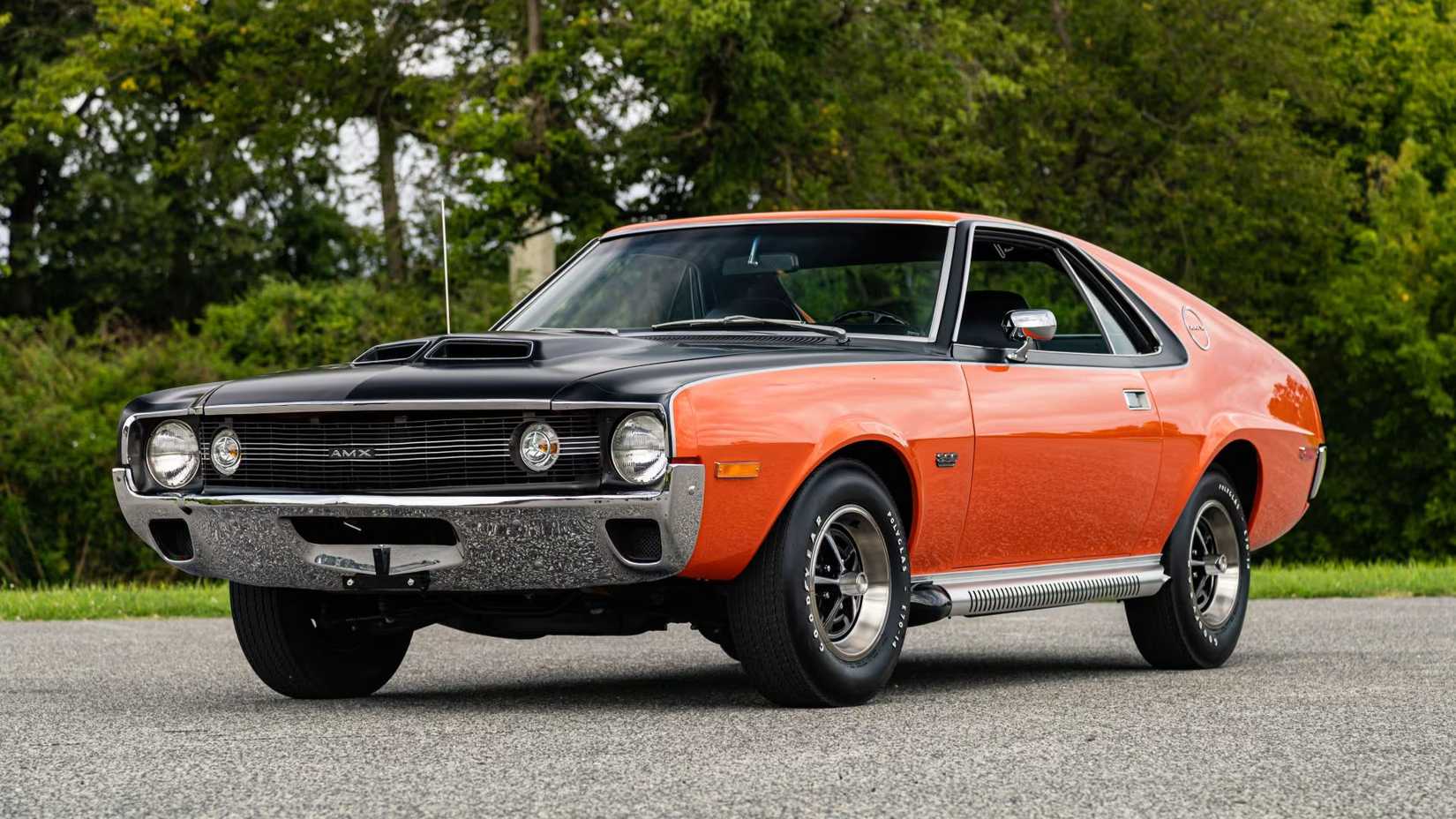
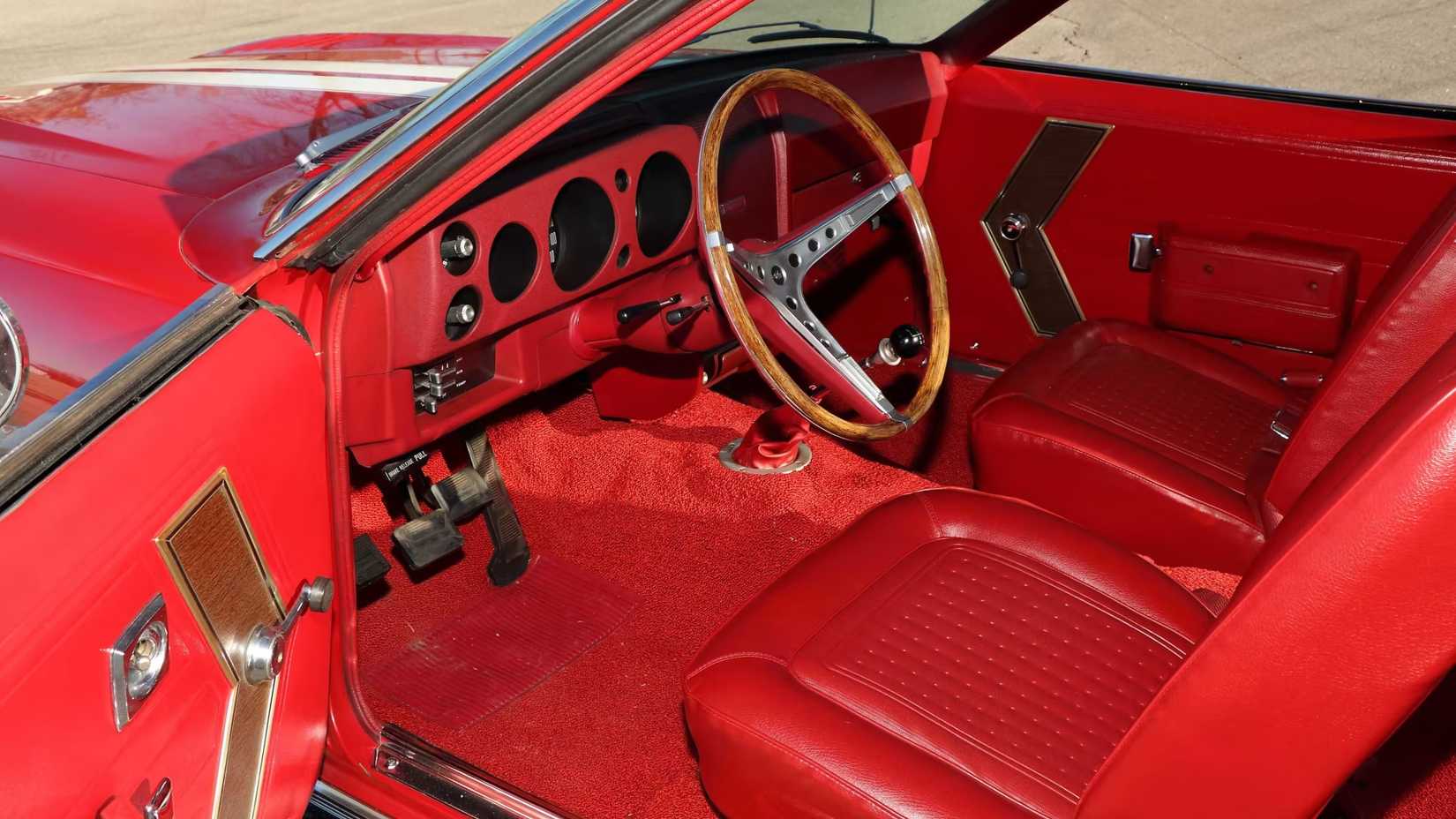
AMC also made sure the AMX did not look timid on the order sheet. Every one of them came with V8 power only, and a four-speed manual sat in the base equipment list. Dual exhaust came standard, and so did reclining bucket seats and a full set of sporty gauges. Buyers could pile on a Go Package, loud stripes, rally wheels, and later the wonderfully unsubtle Big Bad colors.
AMC even offered leather seats, a rare touch at this price and something no other AMC model got at the time. Obviously, the company did not have the budget to out-Mopar Mopar, so it did something smarter. It built its own character.

The Muscle Car That Exists Mostly In Old Magazines
Considering the rabid fans base for classic Mopar muscle, it seems weird that there would be forgotten model, but there is one woefully ignored ride.
Two-Seat Layout And A Big V8
|
Engine |
Power |
Torque |
0-60 MPH |
Top Speed |
|
390 cu-in OHV V8, 4-barrel |
315 hp |
425 lb/ft |
6.6 seconds |
122 mph |
The two-seat layout changed the whole mood of the car. Many muscle coupes from the era felt like regular cars that had joined a gym for summer. The AMX, in turn, felt more serious than that. It had no six-cylinder base model, no soft version for timid buyers, and no need to pretend it served family duty.
The cockpit pushed the driver and passenger into a snug, purposeful space with bucket seats, a 140-mph speedometer, and an 8,000-rpm tach staring back from the dash. Yet AMC still found room for a useful trunk and a space-saver spare, proving that the company had not gone completely off the rails. In 1968, that trunk measured 9.6 cubic feet, which meant the car could still handle a weekend trip without needing a support vehicle.



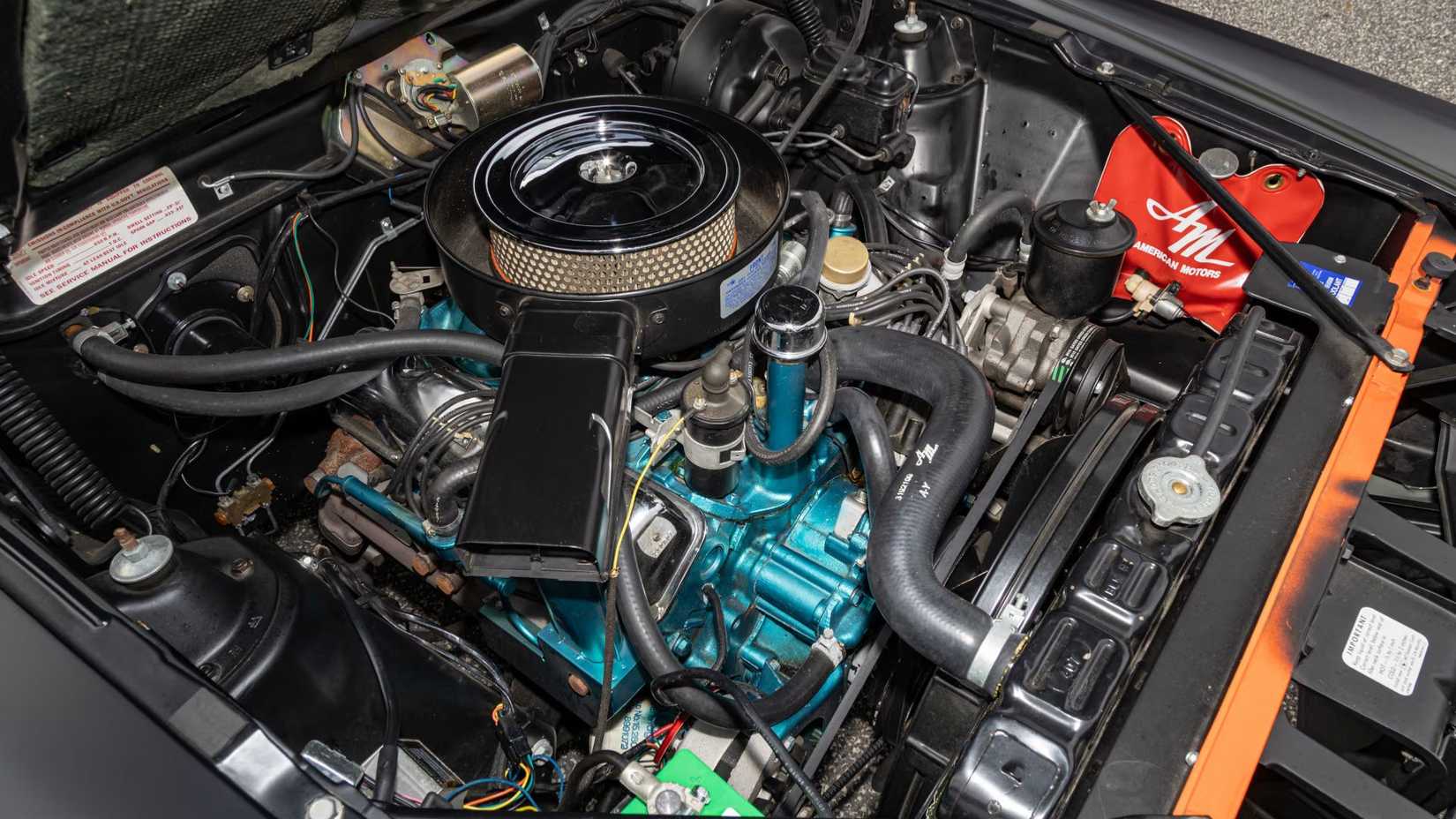
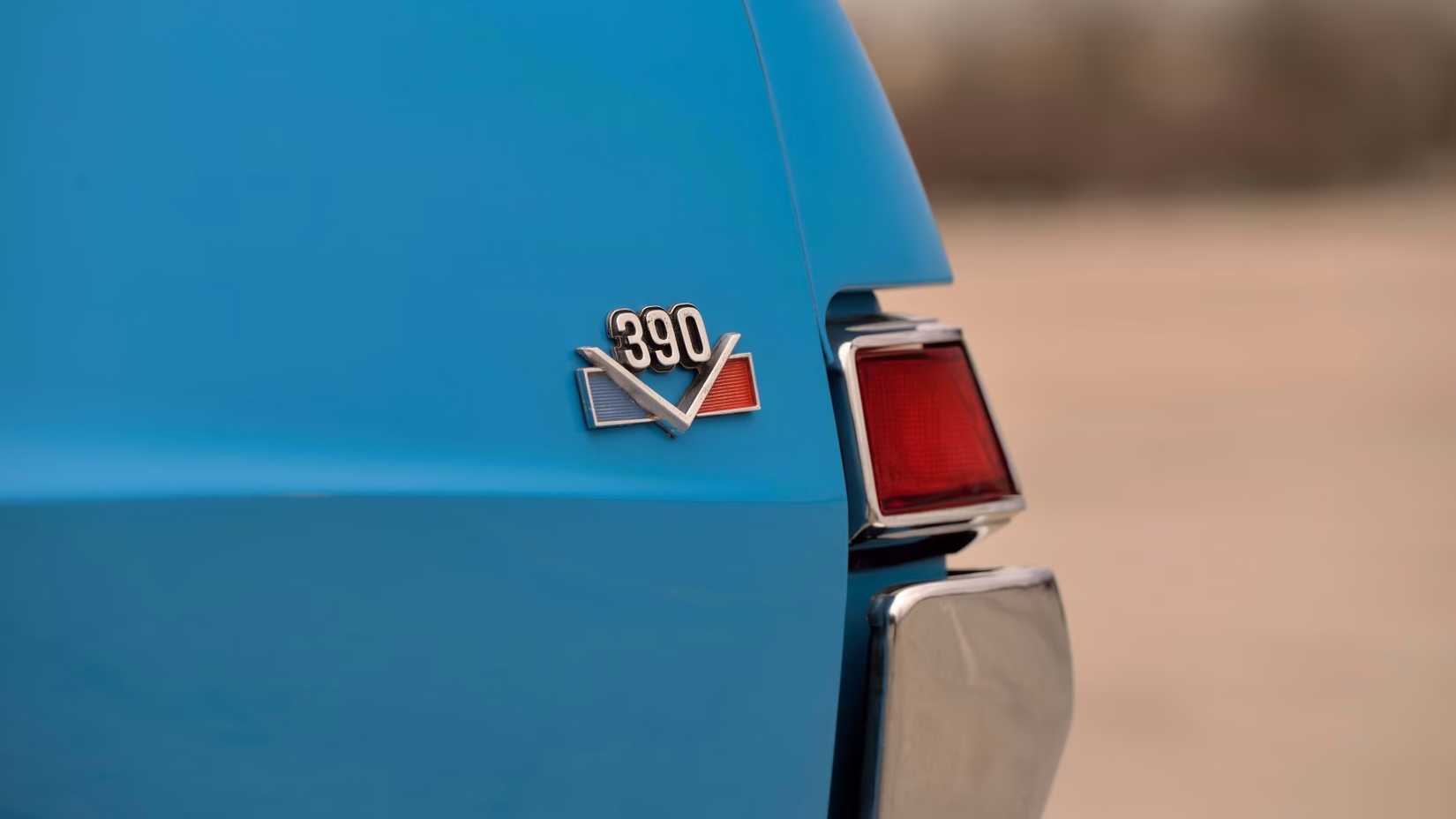
Under the hood, the AMX backed up its attitude with real numbers. The 1968 brochure listed three four-barrel V8s. A 290 with 225 horsepower, a 343 with 280 horsepower, and the new 390 with 315 horsepower and 425 lb-ft of torque.
The 390 mattered most because AMC tied it so closely to the car that the engine itself became known as the AMX 390. It packed forged steel internals and gave the little coupe the kind of punch that made magazine testers report quarter-mile times in the high-14s to low-15s at more than 90 mph. In 1970, AMC swapped in a 360 and bumped the 390 to 325 horsepower, which kept the top version properly rowdy. None of that sounds mild now, and it definitely did not sound mild when Lyndon Johnson was still in the White House.
Then came the good stuff for the people who treated option sheets like treasure maps. AMC’s Go Package bundled front disc brakes, a Twin-Grip limited-slip differential, heavy-duty cooling, upgraded handling gear, redline tires, and a stripe loud enough to announce itself from orbit. The company also sold Group 19 performance parts through dealers, which meant enthusiasts could walk in for spark plugs and leave daydreaming about cross-ram intakes, hotter cams, and headers.
For drag racers, AMC went further and worked with Hurst to build 52 SS/AMX specials for Super Stock duty. Then it added odd regional treats like the California 500 and the Denver-area Von Piranha cars, just because the brand apparently thought normal behavior sounded boring. That mix of factory muscle and local weirdness gave the AMX a richer story than its short life would suggest.
Why The AMX Disappeared So Fast, And Why It Needs To Return Now
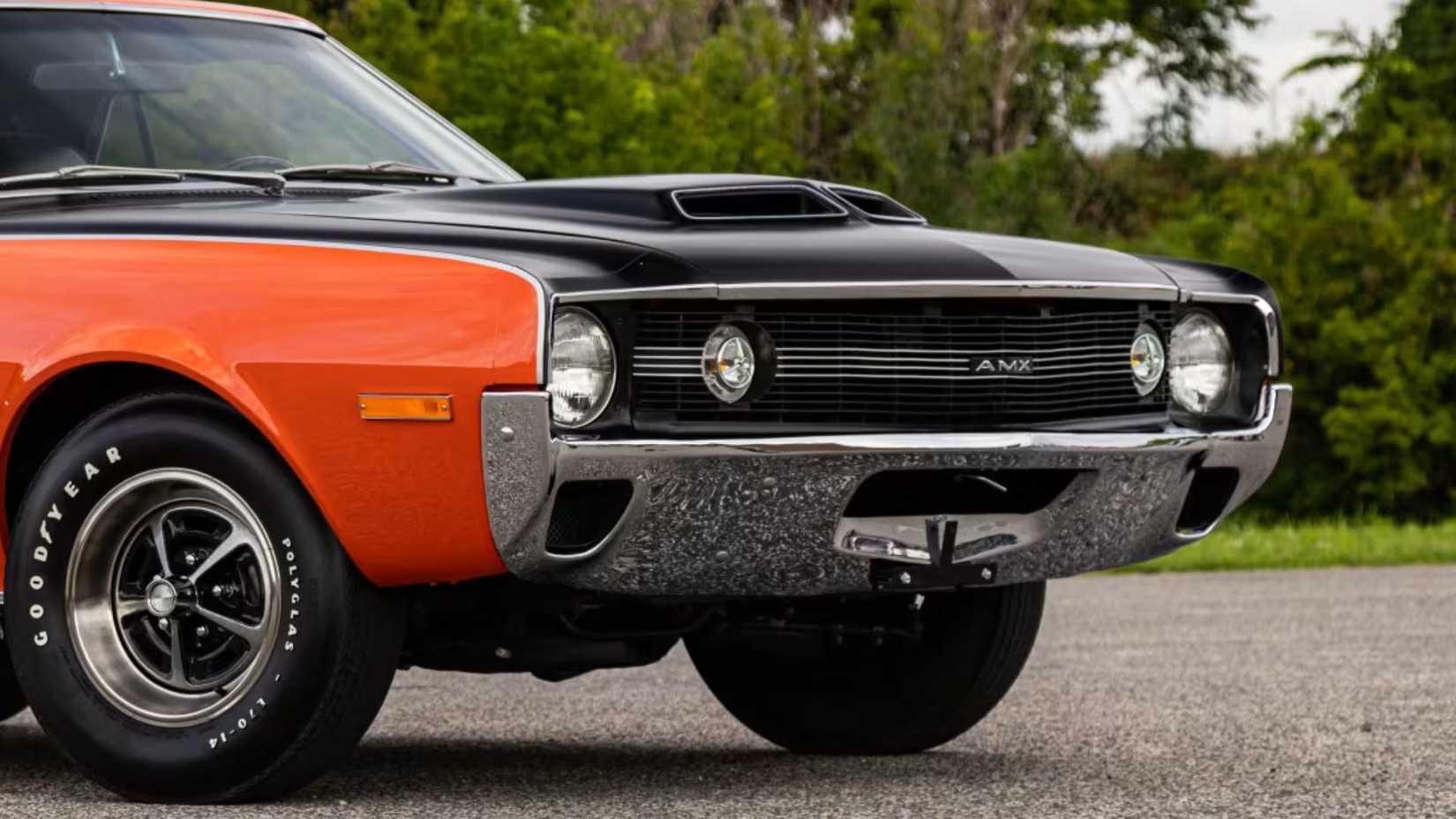
The strange part is how fast AMC lost patience with its own bright idea. Even with the new car still hot, management decided in mid-1968 that the separate two-seat body would end after 1970, and the next AMX would ride on the same longer body as the Javelin. From a bean-counter’s desk, that choice made sense. AMC was a smaller company, and carrying two sporty cars with different wheelbases cost money it did not have to waste. From an enthusiast’s seat, however, it felt like the band broke up right after cutting its best album.
Sales tell the practical side of the story. AMC moved 6,725 AMXs in the shortened 1968 model year and improved that to 8,293 in 1969. Then, 1970 fell off hard, dropping to 4,116. That slide says a lot about the limits of the concept. Most muscle-car buyers still wanted room for friends, kids, jackets, toolboxes, or at least the idea of being sensible. Two seats made the AMX cooler, but they also made it easier to leave on the dealer lot.
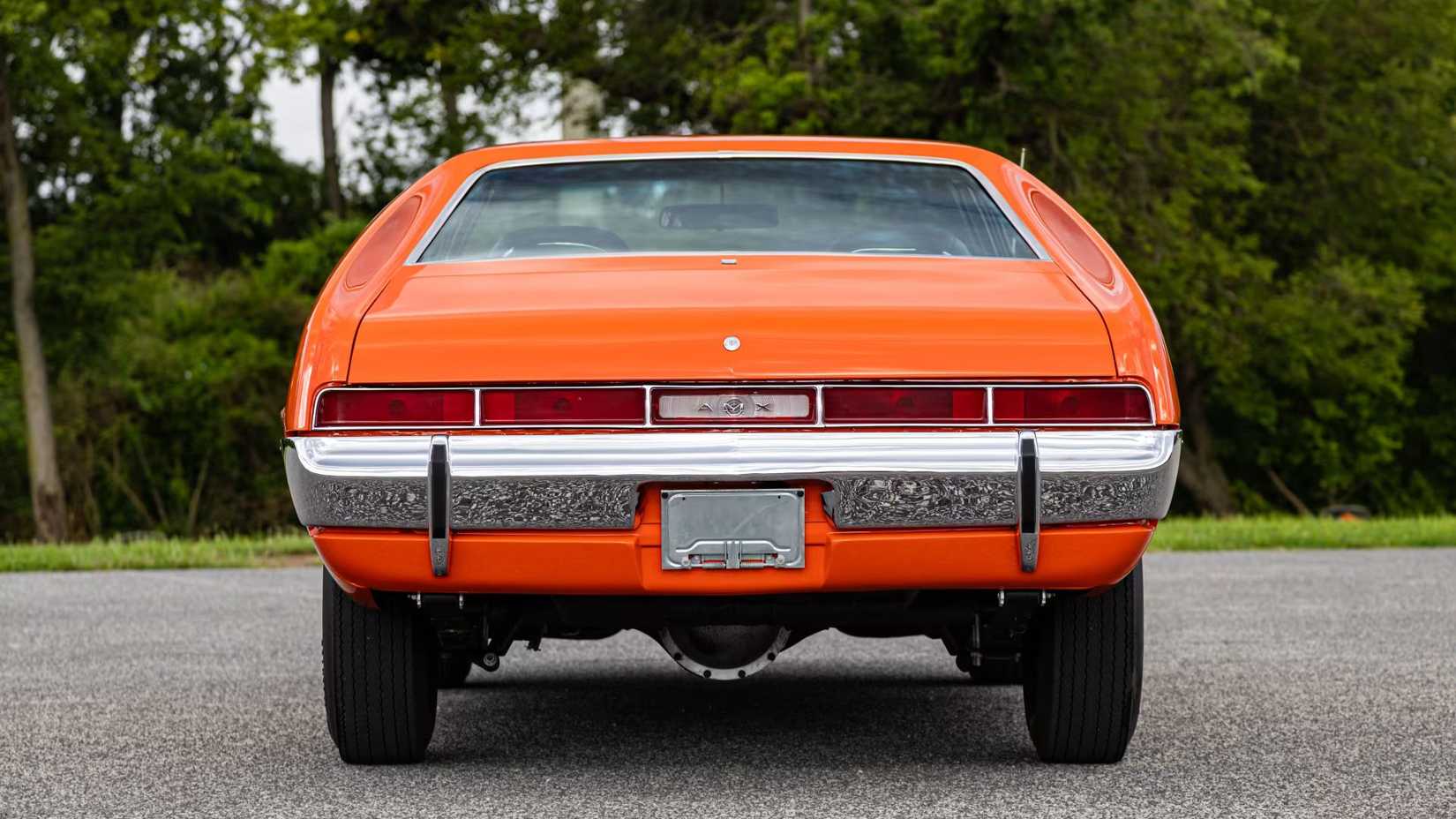
The company’s own decisions added to the sadness. By the time the two-seat AMX disappeared, AMC had already shown it could stretch the badge into other directions, from race-ready SS/AMX specials to the stunning AMX/3 concept. Yet the production badge moved onto the four-seat Javelin instead, which preserved the name but lost the original point. That shift explains why enthusiasts still talk about the first AMX with a different tone. Later AMXs had merit, but the first one was the only version that truly bent the rules.
That old problem looks different now because the modern muscle field has thinned out. Chevrolet ended Camaro production with the 2024 model year, and Dodge ended HEMI-powered Challenger production at the end of 2023 and pushed the market in a different direction. Ford still carries the torch with the Mustang, but one surviving name cannot do all the heavy lifting for an entire idea. That leaves a gap for something with a sharper point of view, especially at a time when many new performance cars keep getting larger, heavier, and more polished than playful.
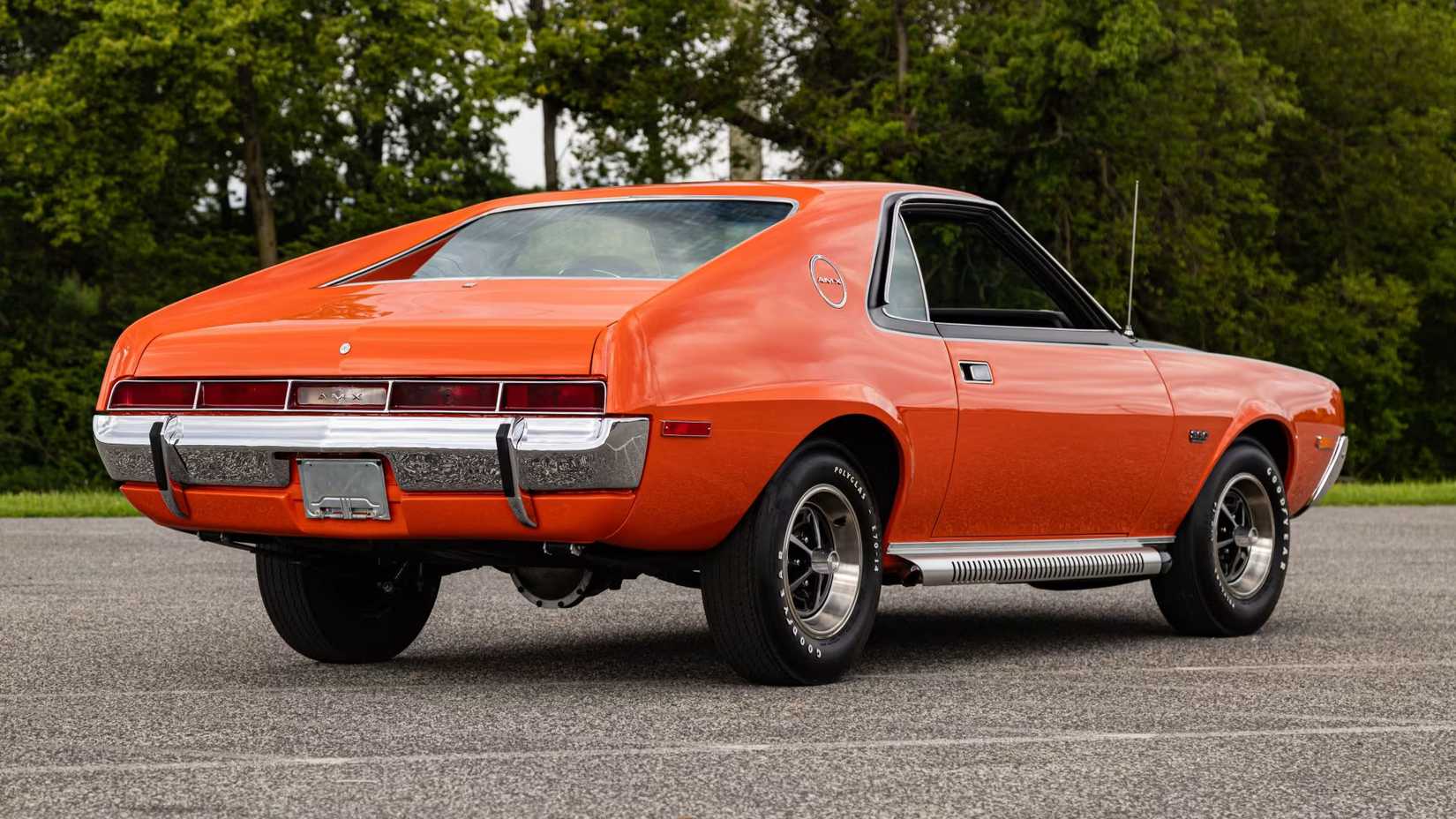
That is why the AMX idea feels timely again. It never tried to beat every rival at every job. It picked its own lane, offering muscle-car force in a smaller, more intimate package, and it did that years before companies started talking endlessly about “blending segments” as if they had discovered fire. The AMX mixed sports-car proportions with American V8 blunt force, wrapped the whole thing in a shape that looked mischievous, and kept the price within reach. Honestly, modern cars could use more of that.

The Ultra-Rare Ford Muscle Car Collectors Have Been Hunting For Decades
Ford built a barely-tamed homologation special, and collectors still can’t stop chasing it.
What A Modern AMX Comeback Could Actually Look Like
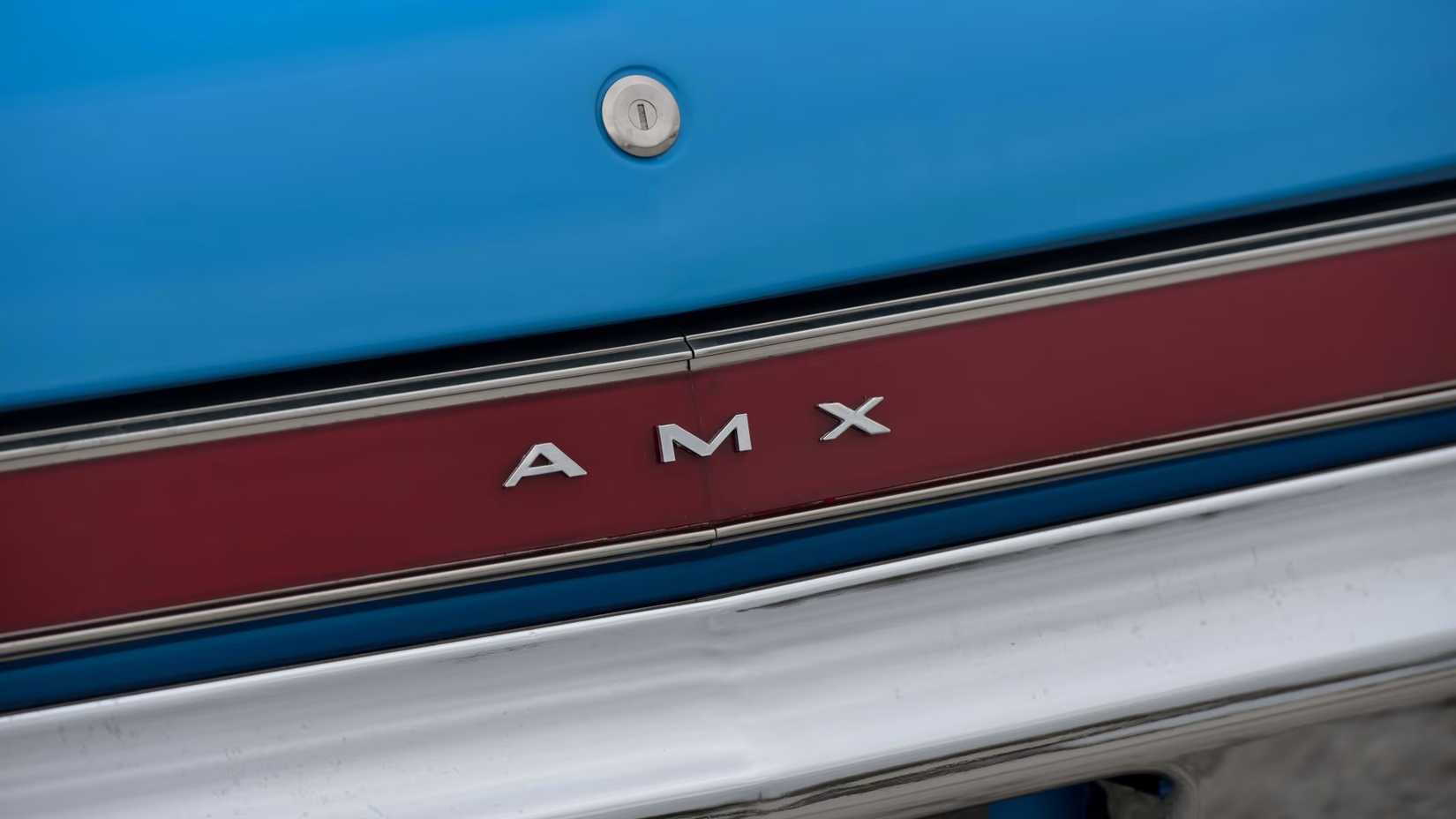
A real AMX comeback would need discipline more than nostalgia. It would need to stay a two-seat coupe, because that single choice would protect the whole idea from turning into just another badge-engineered compromise. No crossover ride height, no bloated body with fake vents the size of lunch trays, and no heritage package that costs more than a used small block. Keep it low, tight, rear-drive, and unmistakably aimed at the driver first. That is the whole thesis. Once a revival loses that, it becomes a brochure exercise with a famous name stapled to it.
It also would not need to copy the 1968 bolt for bolt. The spirit matters more than the exact hardware. A modern AMX could thrive with a V8, sure, but it could also make sense with a strong turbo six or a hybrid setup that delivers instant torque without feeling sterile. The original AMX sold a feeling more than a number, and that lesson still holds
.
Styling would need the same balance. The car should nod to the original without dressing up like it got trapped at a costume party. The long hood and short deck have to stay, and the stance has to look compact and muscular, not inflated. A modern take on the AMX’s C-pillar badge would work, and so would a clean version of the old center stripe. And yes, Big Bad Blue, Big Bad Green, and Big Bad Orange deserve another shot because subtlety never built a great muscle car.
Most of all, a new AMX should sit in the market the way the old one did. Below the halo exotica, a little left of the mainstream, and proud of its outsider status. It would never need to sell like a crossover. The first one certainly did not, and it would need to give a brand personality and remind the industry that risk still has value when it comes with a clear idea. That was the old AMX’s whole charm.
Source: AMC, Hemmings
Search
RECENT PRESS RELEASES
Related Post