The Solid-State Battery That’s Revolutionizing Electric Vehicles
April 2, 2026
Solid-state batteries (SSBs) are the future of electric vehicles. That’s no exaggeration. Of the many criticisms that people have for electric vehicles, range anxiety, charging, and the sheer weight of the batteries that underpin them seem paramount. And solid-state batteries have the potential to put all those fears to rest.
As you can imagine, and as you’ve most likely seen in our coverage, vehicle manufacturers are scrambling to be the first to make this technology viable for mainstream use. However, in a surprise twist, a company called Donut Lab claims to have unveiled the first mass-production-ready SSB, with partial independent validation via VTT Technical Research Centre of Finland tests.
This article focuses on the solid-state battery created by Donut Lab. In this article, we’ll discuss its specs, battery performance, how it compares to other batteries on the market, the tests conducted on it, and other relevant information about Donut Lab.

The Tesla Model Y was America’s bestselling electric vehicle in 2025. For all that’s good about the Model Y, one thing that can’t be overlooked is its charging times. While it boasts commendable charging times when paired with a DC fast charger, at home on a wall socket, the Tesla Model Y Performance takes roughly 5.5 to 6 hours to recharge from 10–80%, and eight to nine hours to charge from 0–100%.
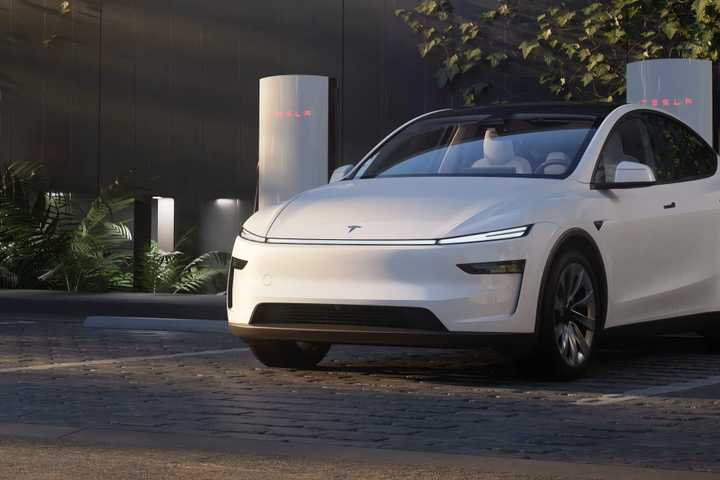




Donut Lab’s solid-state battery is reportedly capable of charging from 0% to 100% in five minutes, significantly outperforming the fastest charging times of electric vehicles currently available.
Beyond that, Donut Lab claims there is no need to limit charging to 80%, as is the case for commercially available EVs, to avoid damaging the battery, and that it can safely charge to full capacity and discharge all of that energy. Amazing, right?

Not Even Big Oil Can Resist Getting Involved With Solid-State Batteries
Toyota is partnering with Japanese oil refining company Idemitsu on a solid-electrolyte lithium battery plant.
Not only does it have unbelievable charging speeds that no other company can match, but Donut Lab’s battery also has an energy density of 400 Wh/kg. For some perspective, Mercedes-Benz has been testing a prototype EV with a solid-state battery for years, which only had 391 Wh/kg. One of the benefits of solid-state batteries compared to the Lithium-ion batteries we see in EVs on the market today is that SSBs are denser, making them lighter and more compact and ultimately reducing the overall weight of the electric vehicle they’re used in.

Mercedes Takes Another Big Step Toward Solid-State Batteries
The race to be first with this incredible battery tech is on, big time.
But how long can a battery last if it is subjected to sub-10-minute recharges and then undergoes a complete discharge? Far longer than what is offered in typical lithium-ion and even high-end lithium-ion batteries. Donut Lab claims its SSB has a lifespan of 100,000 cycles, while typical lithium-ion batteries have a lifespan of roughly 1,000 to 5,000 cycles.
It’s more energy-dense, lighter, more efficient, and longer-lasting than current lithium-ion batteries. They are also less expensive to produce than lithium-ion and are made from abundant materials per company (no rare-earth metals specified), thereby lowering production costs compared to lithium-ion batteries. Sounds too good to be true, right? That is exactly why Donut Lab has commissioned VTT Technical Research Centre of Finland to independently test its battery to quell any skepticism.
More Than Just Batteries
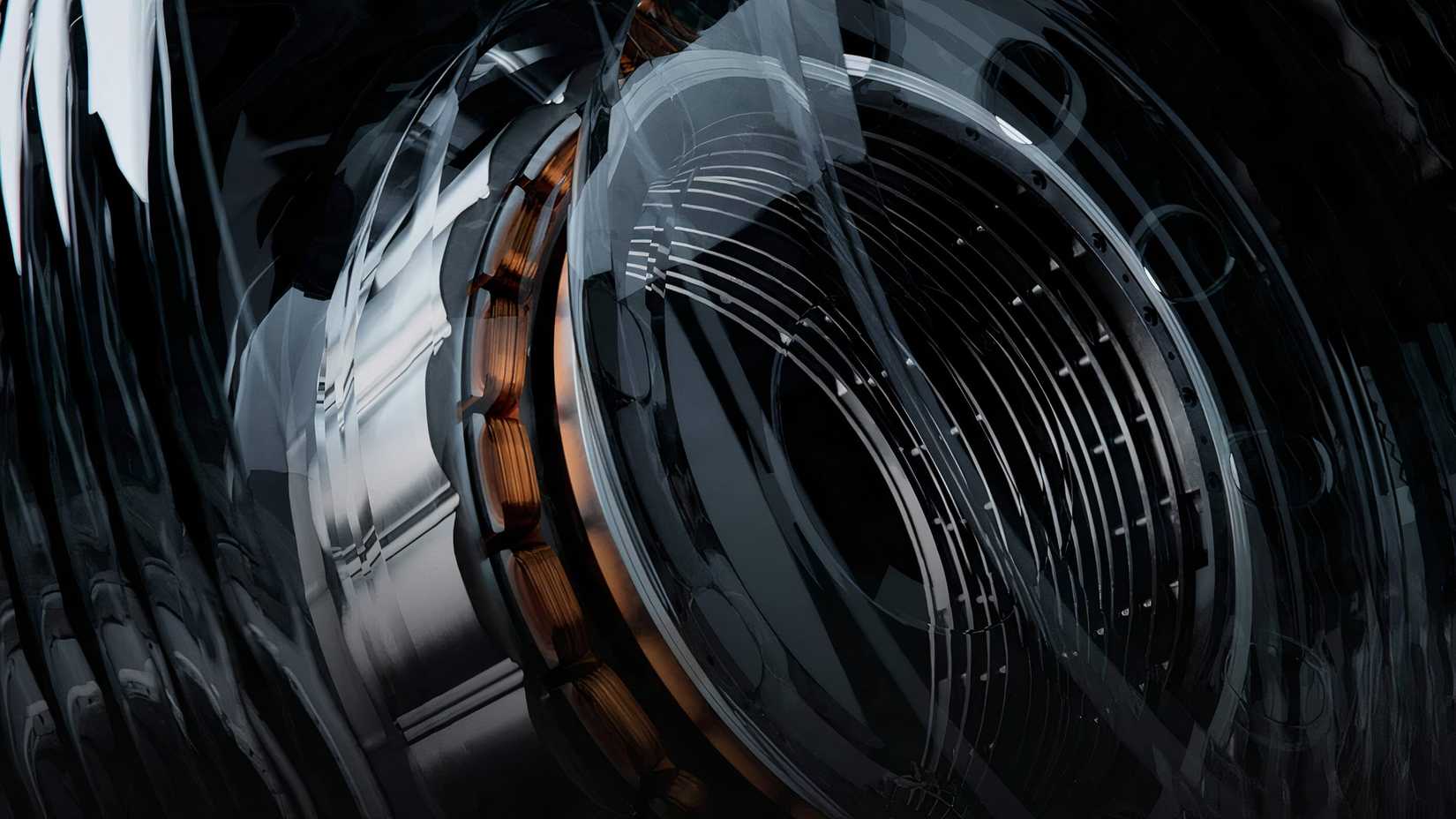
Before we dive into those independent tests, let’s take a brief look at Donut Lab’s other projects, because they are relevant to its battery technology. Donut Lab is a company focused on developing technology for electric vehicles. In their catalog is the Donut Motor, a new in-wheel electric motor that employs a direct-drive system, is lighter and more compact, and requires less maintenance than conventional in-wheel motors.
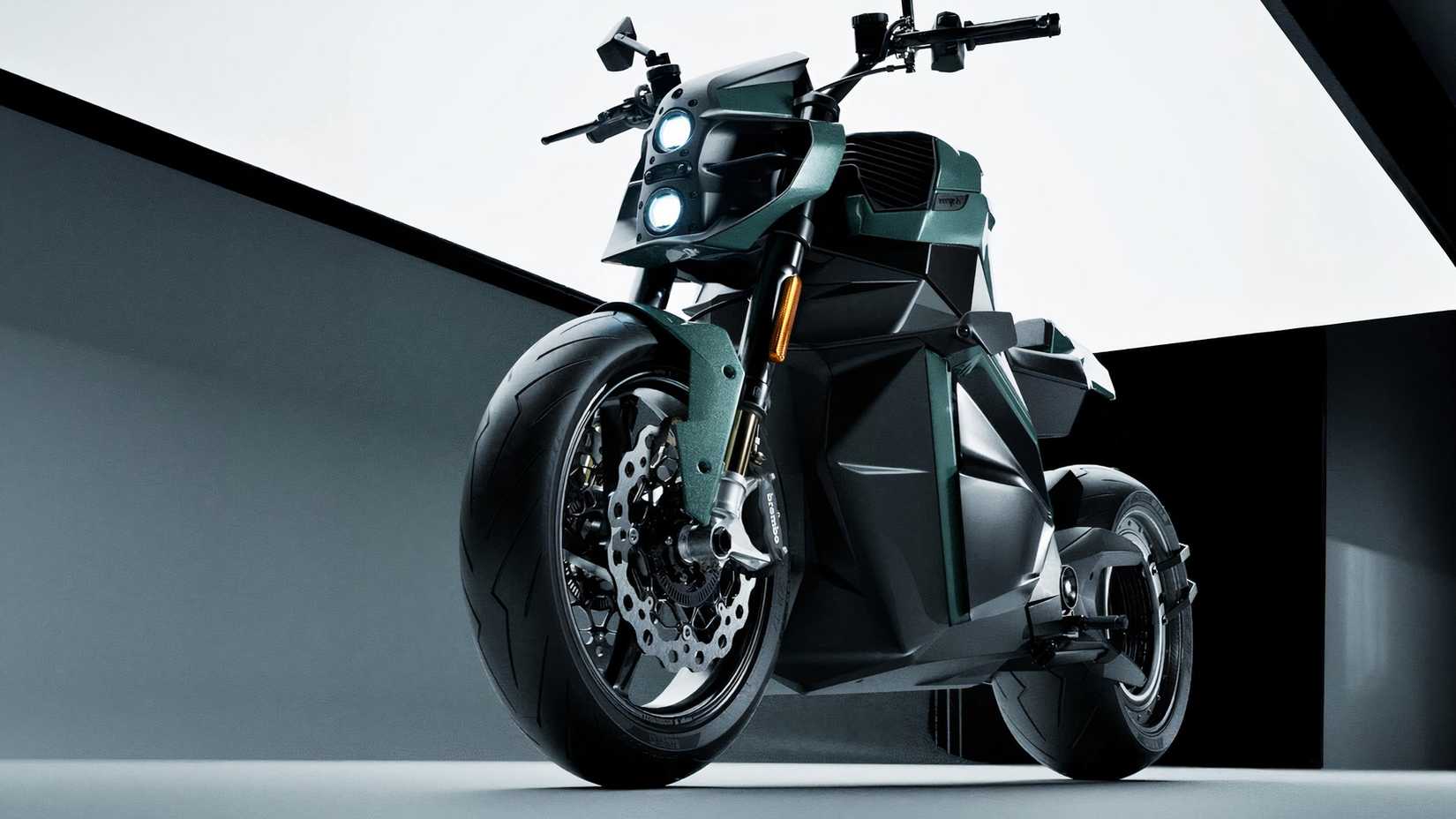
This technology has already made its way to the road, in applications like the Verge Motorcycles, where it works in tandem with the Donut Lab SSB and produces impressive power and torque. Another piece of technology intended to work with the Donut Labs electric motor and the solid-state battery is the Donut control unit, which consolidates multiple vehicle systems into one unit. All of this technology is very promising, and with promising technology comes skepticism.
Actions Speak Louder Than Marketing
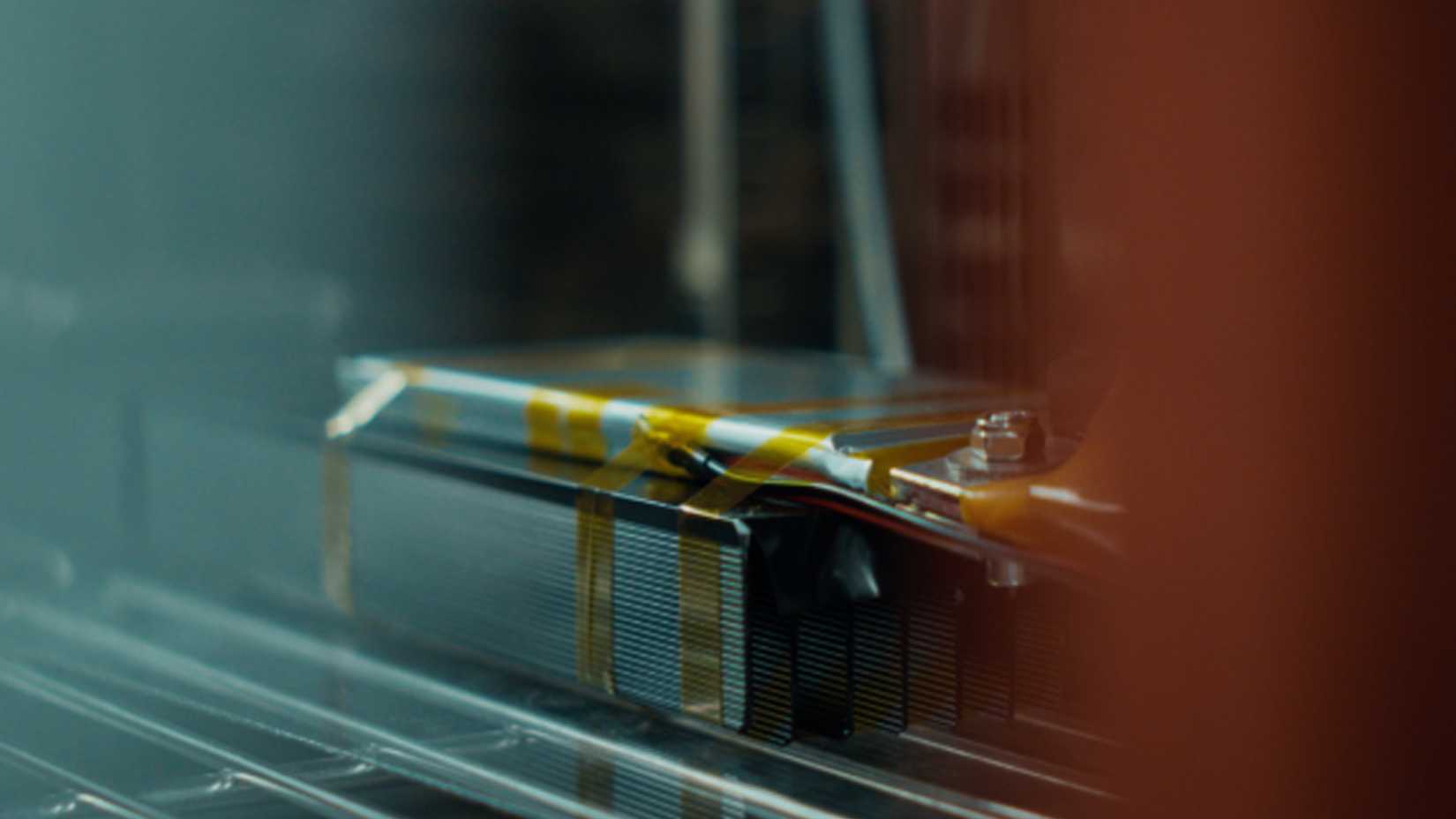
Donut Lab unveiled its solid-state battery earlier this year, stating that it was ready for use in OEM vehicle manufacturing, which was a first for the solid-state battery industry. Now, as we’ve said, a handful of automakers have been scrambling to be the first to introduce a solid-state battery viable for mass production and use in OEM vehicle manufacturing.
It was the skepticism and critique of Donut Lab’s claims that led the company to commission one of Europe’s leading research organizations to test the Donut Lab batteries and publish its findings. The first test conducted was a fast-charge performance test, which evaluated the SSB’s charging performance under extreme conditions with active cooling.
As we know, lithium-ion batteries struggle in extreme weather conditions, and a benefit of solid-state batteries is that they don’t have a liquid electrode, thereby mitigating the effects of extreme weather compared to conventional lithium-ion batteries. The tests concluded that the Donut Lab SSB could withstand extreme temperatures.
The next test conducted was a high-temperature performance test to evaluate the SSB’s capacity and stability under sustained high-temperature conditions. At the start of the test, the Donut Lab SSB delivered 110% nominal capacity, and after hours of operation at 212 Fahrenheit, the battery retained 107% capacity and recharged without degradation. This test demonstrated and reaffirmed that the Donut Lab SSB was capable of greater stability and performance than a conventional lithium-ion battery.
The next test evaluated the charge retention of the solid-state batteries over long periods. For this test, the VVT Research Centre of Finland used a cell connected to a battery tester for 10 days, measuring voltage every 10 seconds. According to the organization’s findings, the provided cell stabilized within 10 hours and remained stable for 9.5 days. What this proved was the Donut Lab’s SSB showcased impressive stability, enough to support Donut Lab’s claims that it is ready for real-world application.
The most recent test conducted by the Research Centre of Finland evaluated the Donut Lab SSB’s ability to continue operating safely after being damaged. It was revealed that during the high-temperature test, the pouch that surrounds the cell was damaged, resulting in a loss of vacuum, which typically leads to fires or thermal runaway in conventional lithium-ion batteries. That cell was used again, being cycled through five 1C cycles and 50 fast-charge cycles. What they found was that the damaged cell showed no spike in operating temperature and was deemed not to be a fire risk, instead continuing to operate at a diminished capacity.
While these tests were useful in dispelling some skepticism about the Donut Lab’s solid-state battery, other claims from the company have yet to be independently confirmed. This includes claims such as the battery’s 400 Wh/kg energy density, one of the biggest draws for this battery, and its 100,000-cycle lifespan. The VTT Research Centre of Finland is still conducting testing at the time of writing, with the next test scheduled for April, 2026.
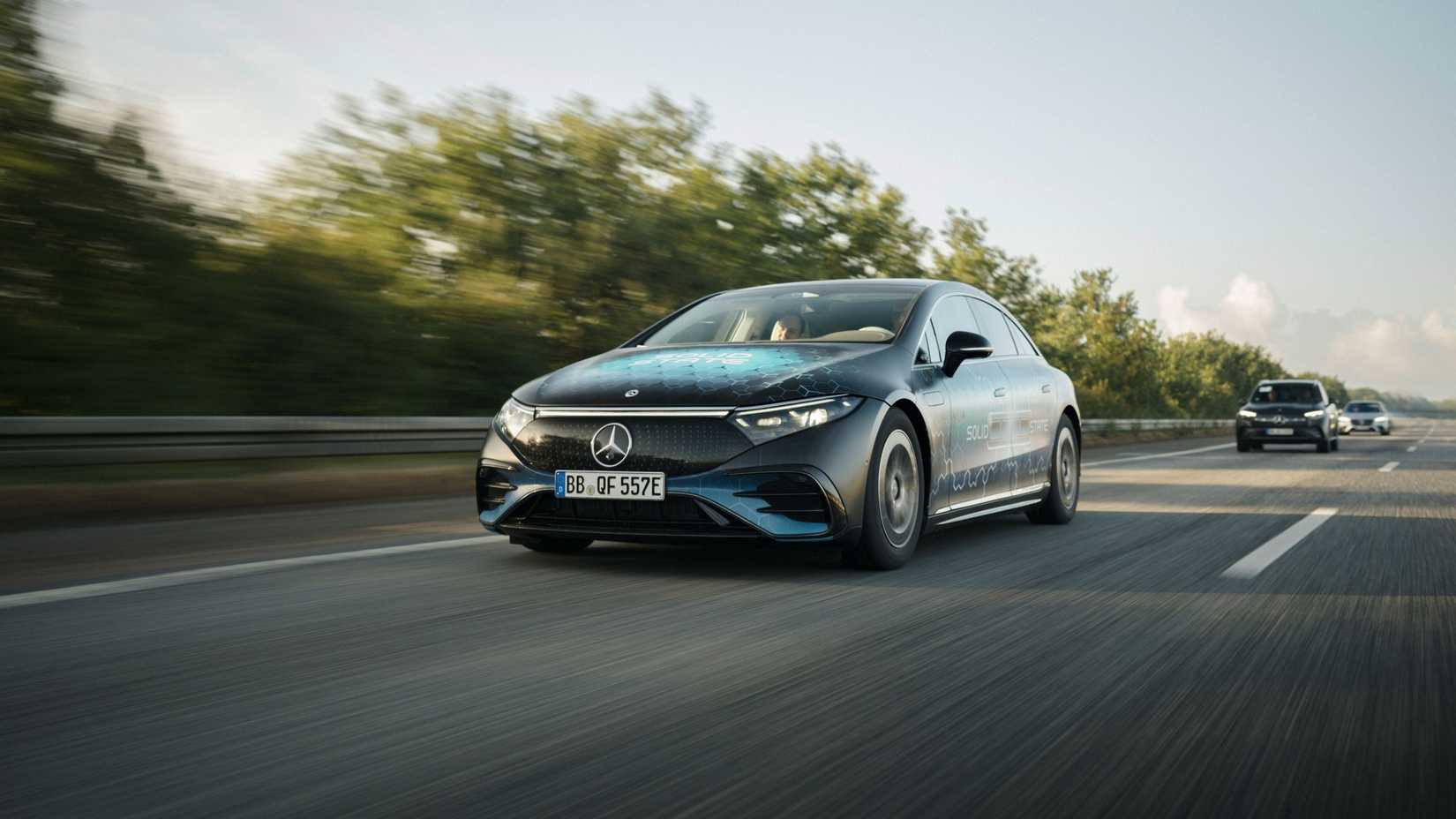
As each day passes, solid-state battery integration into the mainstream market becomes more viable. Many automakers are aiming to improve their electric vehicle technology. The most recent “big news” in this industry was MG’s announcement that it will introduce the first commercially available electric vehicle with a solid-state battery, technically a semi-solid battery, by the end of 2026. Although not a true solid-state battery, it is a step in the right direction for the industry.

The Latest Solid-State Battery Developments You Need To Know About
A groundbreaking shift in electric vehicle technology is on the horizon, with major automakers racing to perfect solid-state batteries.
Aside from MG, Mercedes-Benz remains one of the leading automakers in the race for full-scale adoption of solid-state batteries. The company’s most recent innovation in this field has been a new multi-layered anode, which we uncovered in a new patent. Mercedes-Benz has also continued development of its electric vehicle prototype, which is underpinned by solid-state battery technology.
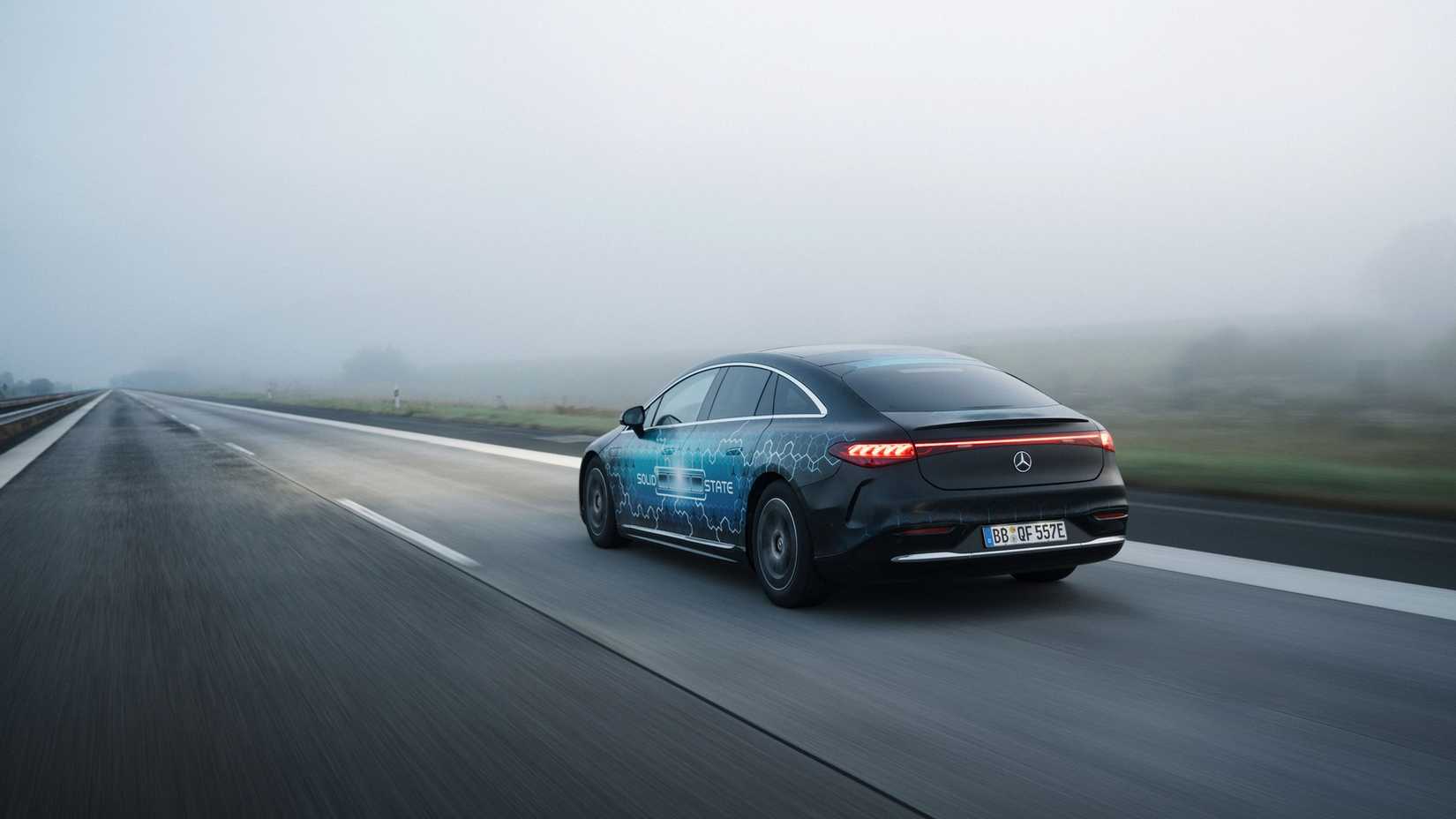
In testing, it has delivered promising results, including covering 748 miles on a single charge and having 80 miles of range remaining after a trip from Stuttgart to Malmö, Sweden. Those are just two automakers vying to bring solid-state batteries to the road, with dozens more, like Rimac, that have unveiled their solid-state battery technology, which we speculate could make its way into a future Bugatti model, along with companies like Donut Lab producing technology to make that a reality.
Sources: Donut Lab, VTT Research Centre of Finland
Search
RECENT PRESS RELEASES
Related Post