The surge in international oil prices is triggering a ‘domino effect’: Amazon, NVIDIA, and others will face a chain reaction of impacts.
March 8, 2026
①International oil prices approached $120 this Monday, causing Nasdaq index futures to plummet by 2.32%, while VIX panic index futures surged 7.28%, signaling a potential impact on the U.S. stock market; ②Wall Street analysts warned that the spike in oil prices could push up U.S. inflation, posing risks to tech companies such as Amazon, Meta, and NVIDIA.
Early this Monday, international oil prices surged close to $120 per barrel, becoming the headline news in global financial media and capturing the attention of investors across various markets.
As oil prices surged, Nasdaq index futures plummeted 2.32% early in the morning, while VIX panic index futures soared 7.28%, indicating that the U.S. stock market is expected to face turmoil when it opens tonight.
 Although intuitively, the technology companies represented by the Nasdaq index neither produce nor consume oil, seemingly having little connection with oil prices, in reality, U.S. tech stocks have still suffered significant losses amid this round of oil price spikes.
Wall Street analysts warned that the surge in oil prices might push up U.S. inflation, leading to a collapse in consumer confidence, reduced discretionary spending, and casting a shadow over revenue prospects across industries.
As the U.S. economy weakens and major enterprises face tight cash flow, the first budgets to be cut will likely be in advertising. Meanwhile, rising energy costs will increase infrastructure construction expenses, causing cloud service giants to scale back their infrastructure projects, which will bring about chain reactions impacting Amazon, Meta, and NVIDIA, among other tech companies.
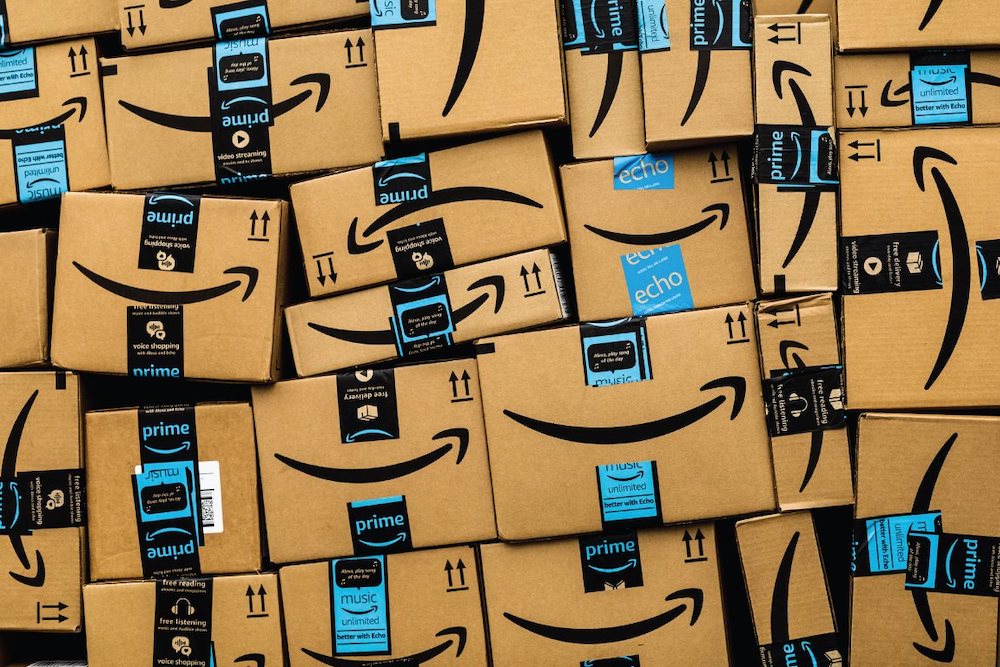
Amazon and Meta’s advertising businesses are at risk
$Amazon (AMZN.US)$ It is projected that capital expenditure will reach $200 billion by 2026, a figure that has already caused unease among investors. The deeper risk lies within the advertising business.
In the fourth quarter of last year, Amazon’s advertising services generated $21.3 billion in revenue, becoming a core profit driver.
However, if oil prices continue to rise, pushing up U.S. inflation, and the consumption environment slows down, advertising budgets across industries will quickly shrink.
In fact, in Amazon’s own public filings from the previous quarter, ‘energy prices’ and ‘resource and supply fluctuations’ were explicitly listed as risk factors.
Another company that will be significantly impacted is $Meta Platforms (META.US)$ , which faces pressure from two fronts as well.
On one hand, the company has already committed to spending between $115 billion and $135 billion this year on artificial intelligence infrastructure, which has also raised concerns among investors; on the other hand, its advertising revenue for the fourth quarter of 2025 reached $58.1 billion, accounting for 97% of all its revenue—in other words, advertising is essentially the core of Meta’s income.
NVIDIA is also in a precarious position.
As revenue sources for upstream players like Amazon and Meta face risks, $NVIDIA (NVDA.US)$ also finds itself in a precarious position.
Although the market expects NVIDIA’s profits in the new quarter to double year-over-year, its forward price-to-earnings ratio remains below the market average—indicating skepticism about whether its AI initiatives can sustain growth.
For NVIDIA, its market capitalization outlook entirely depends on whether hyperscale data center operators can maintain stable spending. If an oil crisis leads to tightened corporate budgets, the tech giants’ AI-related capital expenditures will become highly uncertain.
Editor/Doris
Search
RECENT PRESS RELEASES
Related Post