The Tesla ‘Model 2’
May 25, 2026
A sub-$30,000 Tesla “Model 2” may be taking shape already–right before our eyes.
The low-cost, sub-$30k Tesla rumor comes up periodically (typically originating from Reuters*– most recently in April). The gist is that Tesla is working on a novel low-cost design. Well…
The low-cost Tesla Is Already Here: It’s Called The Cybercab
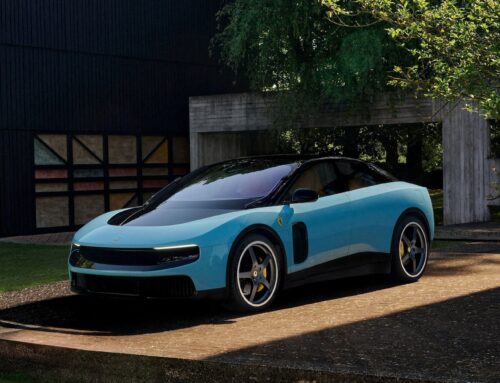
The Cybercab is a novel, ground-up design and is being built now. It has a target price of $30,000 or less and will eventually be sold to consumers, according to CEO Elon Musk. The beauty of the Cybercab is that Tesla can fiddle with the design/configuration to make it more palatable to consumers. In short, add a steering wheel and you have a Model 2. (Note: some have been spotted with a steering wheel already.)
Why the Cybercab could be the real-world manifestation of the Model 2:
- Next-Gen platform: The Cybercab is built on Tesla’s low-cost next-generation vehicle architecture. This platform can produce both an autonomous robotaxi and a cheap commuter car. By focusing on the Cybercab first, Tesla is already scaling the exact underpinnings a consumer “Model 2” requires.
- Extreme manufacturing subtraction: To hit a sub-$30,000 price point, Tesla stripped the vehicle to its core. It has a tiny, ultra-efficient sub- 50 kWh battery pack that achieves a certified 165 Wh/mi—slashing the single highest manufacturing cost. It utilizes simplified structural body castings and a two-seat cabin, eliminating thousands of parts (and costs) found in a standard sedan via an “unboxed” manufacturing process.
- The retrofit for consumers: While the fleet robotaxi completely drops human controls, the vehicle’s drive-by-wire and brake-by-wire architecture makes it simple to modify in contrast to fixed mechanical linkages. To sell it as a standard consumer commuter car, Tesla would essentially just need to cabin-adapt the assembly line to include a steering wheel, pedals, and a rearview mirror.
- Regulatory de-risking: Fully autonomous, “unsupervised” Full Self-Driving (FSD) faces regulatory hurdles that could park robotaxi fleets for years. Selling a human-driven or supervised version of the Cybercab platform directly to consumers gives Tesla an immediate volume release valve for Giga Texas production if regulatory clearance stalls.
Search
RECENT PRESS RELEASES
Related Post