The US Just Added Silver to “Critical Minerals” List And These Investments Will Benefit
January 5, 2026
The US Geological Survey (USGS) is issued by the Department of the Interior, and the Interior Secretary is Doug Burhum, former governor of North Dakota. The USGS identifies roughly 60 minerals that have been determined to be crucial for US security and economic viability for manufacturing and other purposes.. Mineral examples usually include rare earth minerals (batteries), iridium and palladium (defense), germanium and silicon (semiconductors),uranium (nuclear energy), and copper, aluminum, and other industrial use minerals.
In November, silver, which has soared in price all year, was added to this list. The reasons are multiple, and contain technological, geopolitical, and economic reasons. Those seeking to invest in silver’s continued price escalation, which reached +130% by the end of 2025, may wish to consider such options as:
- Sprott Physical Silver Trust (NYSE: PSLV): +145.24%
- Pan American Silver (NYSE: PAAS): +154.59%
- Hecla Mining (NYSE: HL): +270.00%
Why Is Silver Now A Critical Mineral?
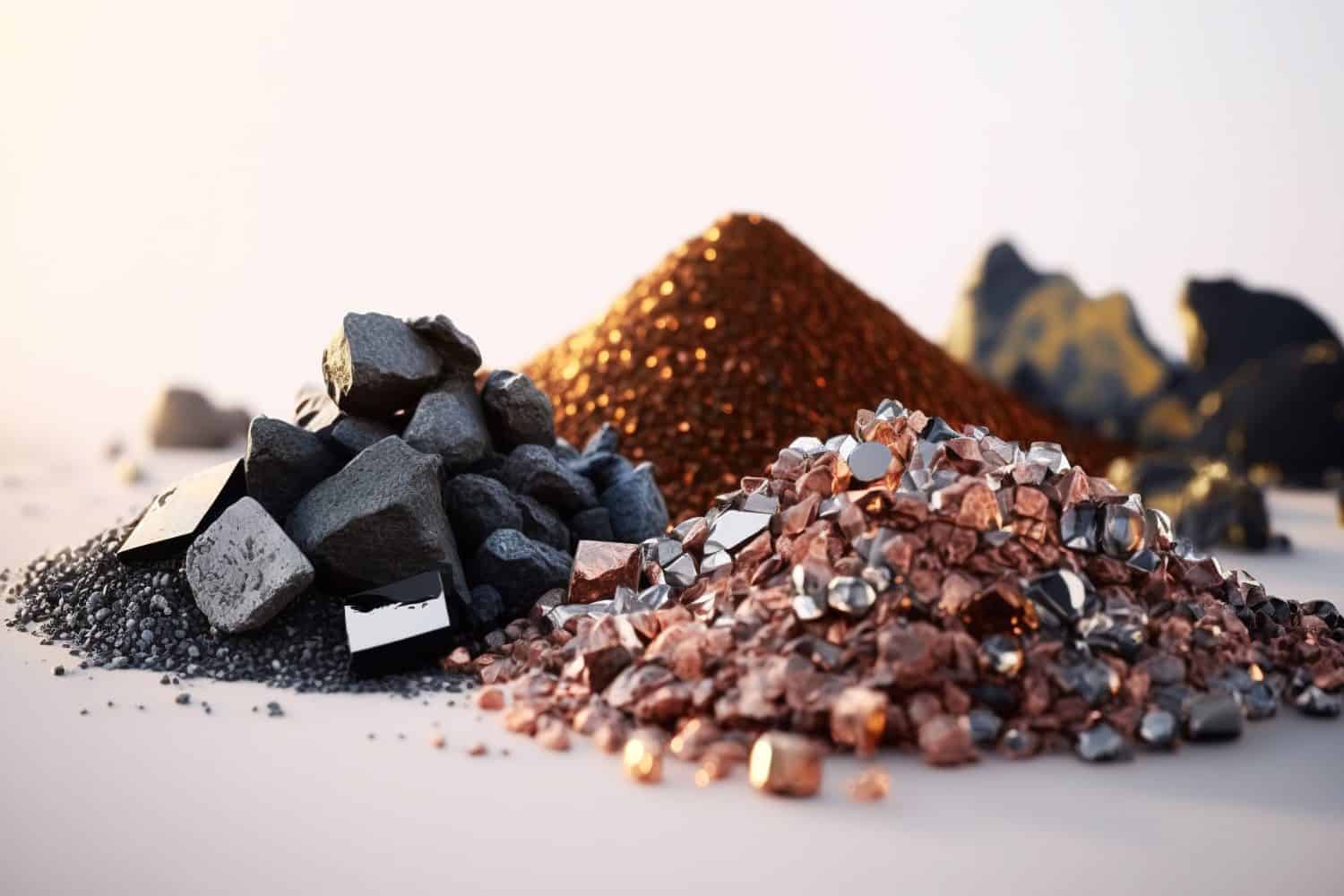
Some examples of other Critical Minerals under USGS supply chain priority policies.
For the past seven years, silver production has fallen short of demand. Unlike gold, in which the vast global majority of refined bullion is usually kept in storage vaults owned by central banks, silver is an essential manufacturing component of a wide range of essential products. A short list includes:
- Solar panels
- Flat screen LCD displays
- Smart phones
- EVs
- Semiconductors
- Batteries
- medicines
With solar panels at half of annual silver production consumption, the emergence of AI and its corresponding data centers have injected yet another unquenchable thirst platform for silver’s unequaled electric conduction properties.
The futures market, which has kept silver prices artificially suppressed for decades, finally cracked with October’s backwardation in London. Physical demand now controls the silver markets. Buying escalation from central banks and ETFs, fearful of fiat currency debasement driven inflation from oversupply, has added to the supply pressure, driving prices even higher.
70% of the global supply of refined silver bullion is controlled by China. On January 1, 2026, Silver officially was added under China’s rare-earth minerals export-control protocols, effectively squeezing the market even further. In response to the October panic and the anticipated realization that silver availability was shrinking at an ever increasing pace, the USGS added silver to its Critical Mineral list in November.
By making the Critical Minerals list, silver is now regarded as a strategic US asset. Therefore, policies to incentivize and protect domestic production and supply chain inviolability are given top priority on the federal level. As a result, companies engaged with tracking silver prices and production should benefit greatly by this elevated status and focus.
Sprott Physical Silver Trust
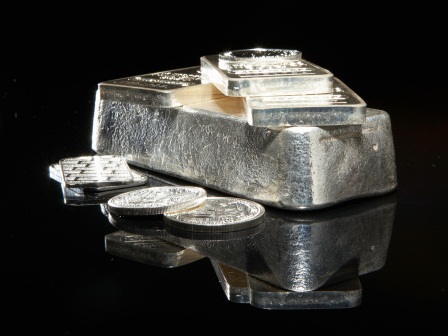
PSLV is the only ETF that tracks silver prices in which an investor may be able to redeem shares in actual silver product.
At the time of this writing, PSLV has 210.7 million oz. of silver in its coffers. Recently reaching a $13.9 billion in silver holdings with a NAV of $15.36 billion. This trust holds its silver bullion in Royal Canadian Mint vaults. Under certain circumstances, it is one of the only funds that a shareholder may be able to redeem some shares for physical silver. Given silver’s continual price escalation, this can be an added plus for investors with physical storage capacity, and it is a good option to have vs. and ETF that only settles for cash.
PSLV is listed on both the NYSE and TSX and tracks pricing on the LBMA. Its 2025 1-year return at the time of this writing is 145.24%. Founded in October 2010, PSLV has a 3-year return of +194.05%, and a 5-year return of +159.42%.
Pan American Silver
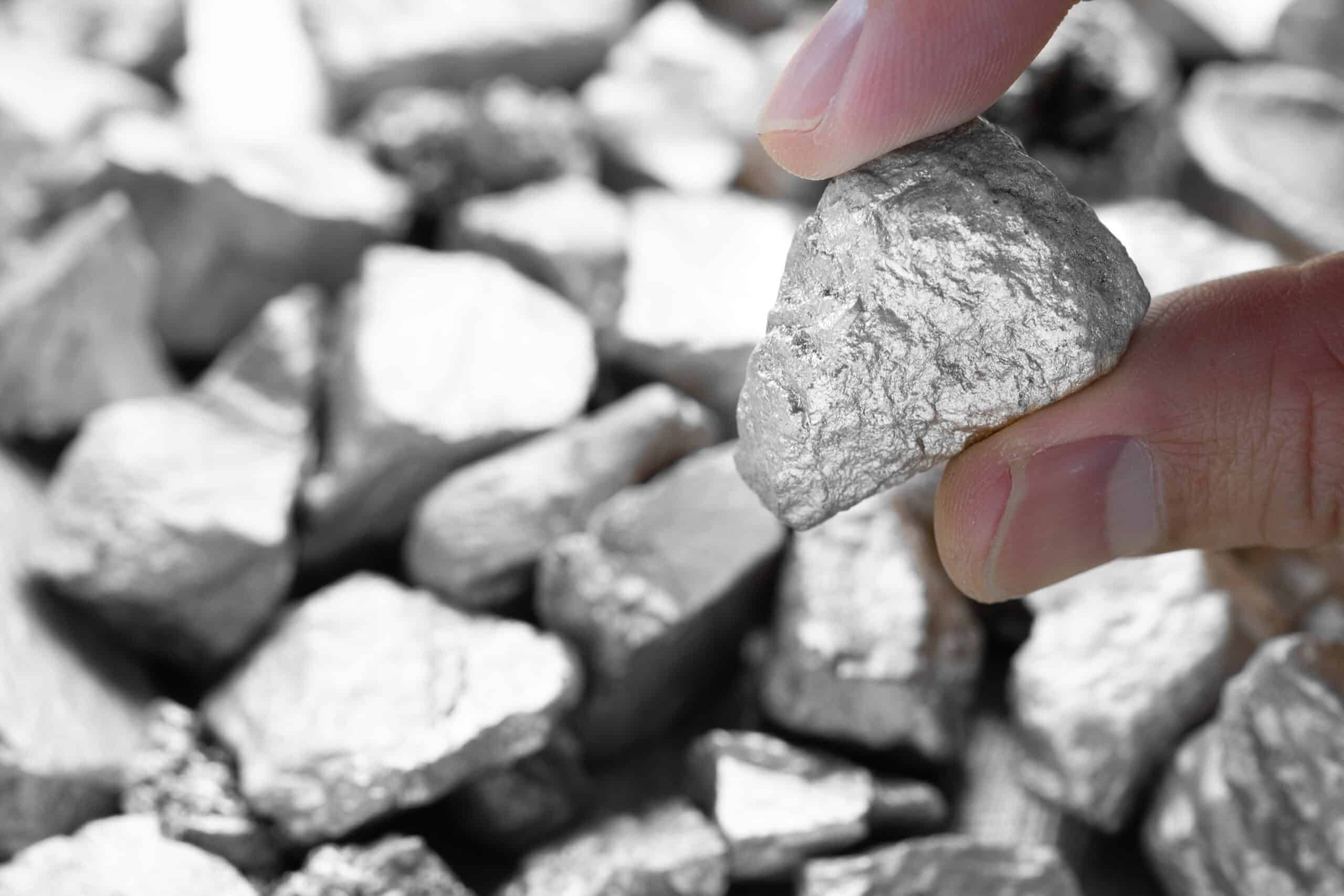
PAAS silver production is predominantly sourced from Central and South America.
Headquartered in Vancouver, B.C., Canada, PAAS is a major silver producer with assets in Argentina, Mexico, Bolivia, and Peru. In September, 2025, it was expanding operations with the completion of the $2.1 billion MAG Silver acquisition , which gave it a large ownership stake in the high-grade Juanicipio Silver Mine. Silver production was reported up over +11% in Q2 2025. Based on the most recent guidance, cumulative PAAS total 2025 production is anticipated to be about 25 million oz.
PAAS has a 1-year return of +154.59%. Its 3-year is +230.47%, and its 5-year is +62.11%. Zacks gives PAAS its #1 highest momentum rating, since in the past month, PAAS gained +33% vs. 1.9% for the S&P 500.
Hecla Mining
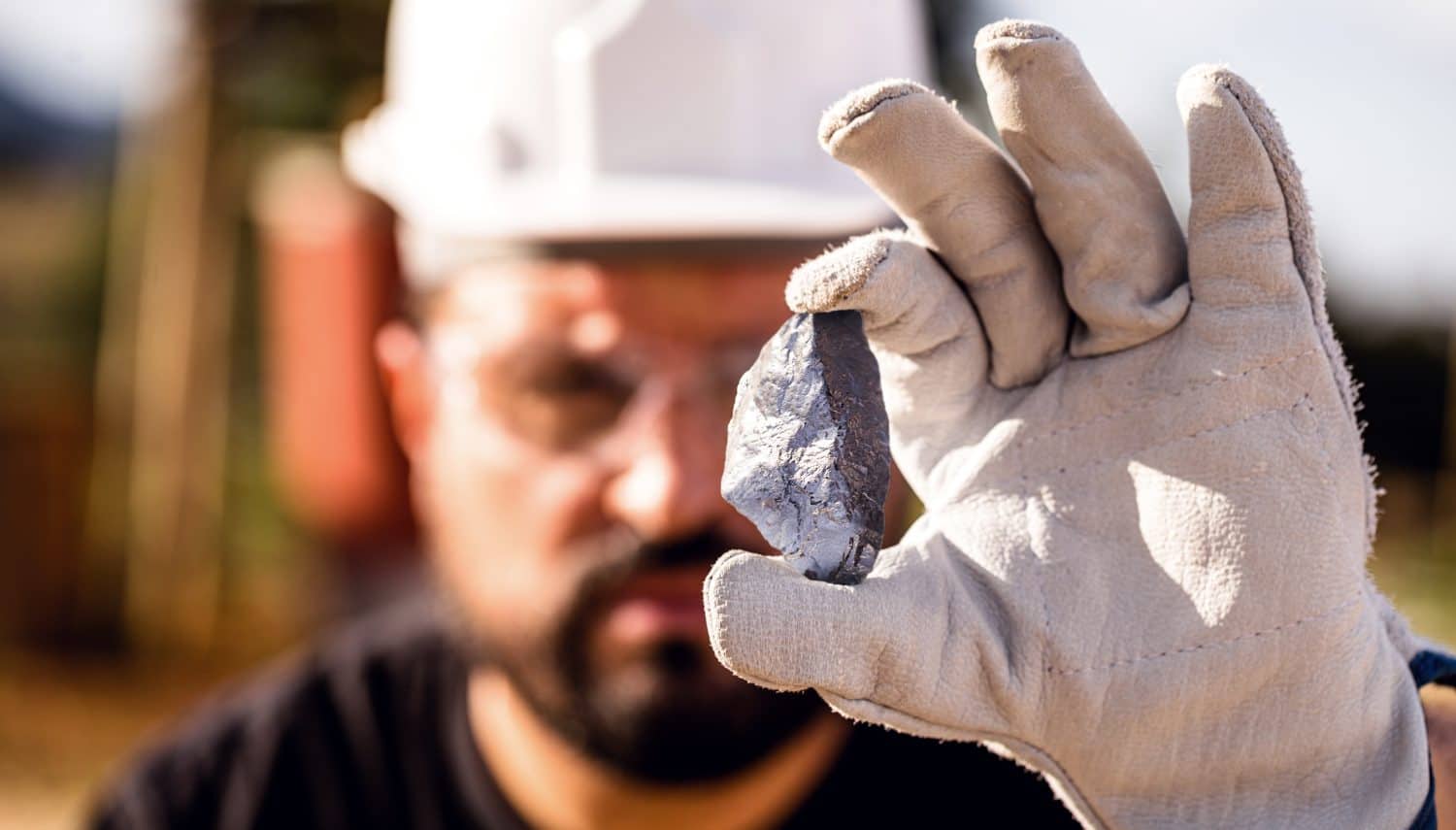
Hecla Mining is the largest silver producer in the US.
Based in Coeur d’Alene, Idaho, Hecla was founded in 1891 and is the largest US silver production company, thanks to the 2022 Keno Hill mine obtained when Hecla acquired Alexco Resources. Nevertheless, its 2025 anticipated output is looking to trail PAAS, with 17 million oz. forecast. HL’s 1-year return is +259.59%. Its 3-year return is +244.79%, and its 5-year is +198.84%. Despite these lofty gains, Webull still considers HL undervalued by 54.1% on a Discounted Cash Flow analysis basis.
Search
RECENT PRESS RELEASES
Related Post