The World’s Data Centers Are Getting Harder to Decarbonize
June 7, 2026
Criticism around data centres is steadily growing as consumers become increasingly aware of their heavy power demand and water use. The industry has been lightly regulated to date, and transparency remains an issue. Meanwhile, tech companies are going full throttle on development, with power demand related to data centres expected to soar over the next decade. With some pledging to develop more sustainable data centres powered by clean electricity, the question remains whether a truly “green” data centre is possible.
A recent report showed that companies are planning to power over 100 data centres in the United Kingdom using gas generation. On the other side of the world, the United States is leading a significant global surge in gas-fired power generation, which is expected to drive up emissions. The new gas production responds to the high demand from tech companies powering energy-hungry data centres to service artificial intelligence, according to recent studies.
In 2026, we can expect to see record-high new gas power additions, which will increase global gas capacity by almost 50 percent, according to a Global Energy Monitor report. The United States is driving this capacity expansion, after tripling its planned gas-fired capacity in 2025. Around one-third of the 252 GW of gas power in development is planned for data centre sites. The heavy reliance on gas undermines some of the ambitious climate pledges made by tech majors in recent years.
Almost 100 GW of new data centres are expected to be added worldwide from 2026 to 2030, doubling the global capacity; therefore, investing in “greener” operations could be vital for limiting carbon emissions. In 2024, global data centres were estimated to have consumed 415 terawatt-hours of electricity, equivalent to around 1.5 percent of global electricity use, and this figure is expected to double by the end of the decade.
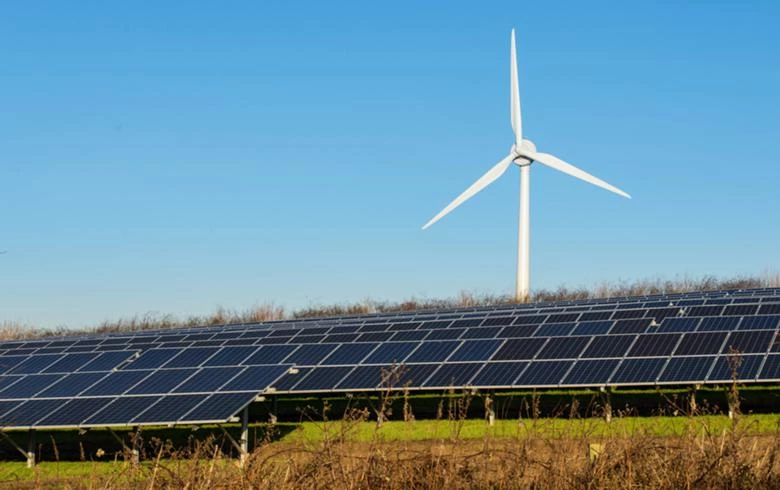
While nearly all major cloud and hyperscale tech companies, such as Amazon, Google, Meta, and Microsoft, have committed to aggressive sustainability targets, scaling data centres is putting these pledges at risk as many companies turn to gas to bypass grid constraints. However, some firms are developing on-site renewable energy projects or procuring clean energy to power their data centres.
In December 2025, Michael Thomas, the founder of market-intelligence platform for the energy transition Cleanview, said that Big Tech groups were still prioritising renewables over fossil fuels. “I think the biggest question over the next five years is how much clean energy can be deployed because solar, wind, and batteries can get us a lot of the way there, but there are a lot of barriers preventing us,” he explained.
Between 2020 and the end of 2025, Meta had matched 100 percent of its electricity consumption with “clean and reliable energy”. The firm has signed deals with Invenergy, Alliant Energy, Enbridge, AES Corporation, and Zelestra to provide this clean power. Meta is working with Entergy to bring at least 1.5 GW of new renewable energy to the grid at its multi-billion-dollar artificial intelligence data centre, Hyperion, in Louisiana. Meanwhile, Microsoft pledged to match all the electricity it consumes with net carbon-zero energy purchases by 2030.
However, the problem with some of these green power claims is that most companies continue to rely heavily on renewable energy certificates and offsetting frameworks, rather than investing in developing new, targeted green energy projects. Most of the data centres run by these companies still draw power from the mains grid, which has a mixed energy supply of fossil fuels and clean energy.
The definition of a “green data centre” has not been formally established and can vary from place to place, which might allow companies to claim their operations are more sustainable than they are. In Scotland, a government policy aimed at encouraging the construction of data centres could lead to large volumes of carbon emissions being overlooked. Scotland wants to encourage “green data centre” development, but has provided no clear definition of what it means by this term.
The NGO Action to Protect Rural Scotland has warned that without a proper definition, all data centres could call themselves “green” to secure planning permission, resulting in significant environmental costs. Meanwhile, Green Party politician Ariane Burgess has stressed, “We urgently need transparency around what constitutes a ‘green data centre’ and how their huge energy demands will be accommodated by our grid infrastructure.”
While many are concerned about the high energy use of data centers and the ongoing reliance of many tech companies on fossil fuels, there are various other environmental concerns around development, including heavy water and land use. With little understanding of what developing a “green data centre” entails, it seems unlikely that any tech company will be able to achieve wholly sustainable operations, although this could change if governments introduced stricter regulations and standards for the industry.
By Felicity Bradstock for Oilprice.com
More Top Reads From Oilprice.com
- Oil Prices Climb as U.S. Strikes Tanker and Downs Iranian Drones
- Goldman Sachs CEO Warns Oil Shock Could Alter Consumer Behavior
- Rystad: U.S.-Iran Re-Escalation Could Drive Oil to $180 By August
Search
RECENT PRESS RELEASES
Related Post