This Electric Vehicle’s Low Repair Costs Are Even Better Than The Toyota RAV4
May 25, 2026
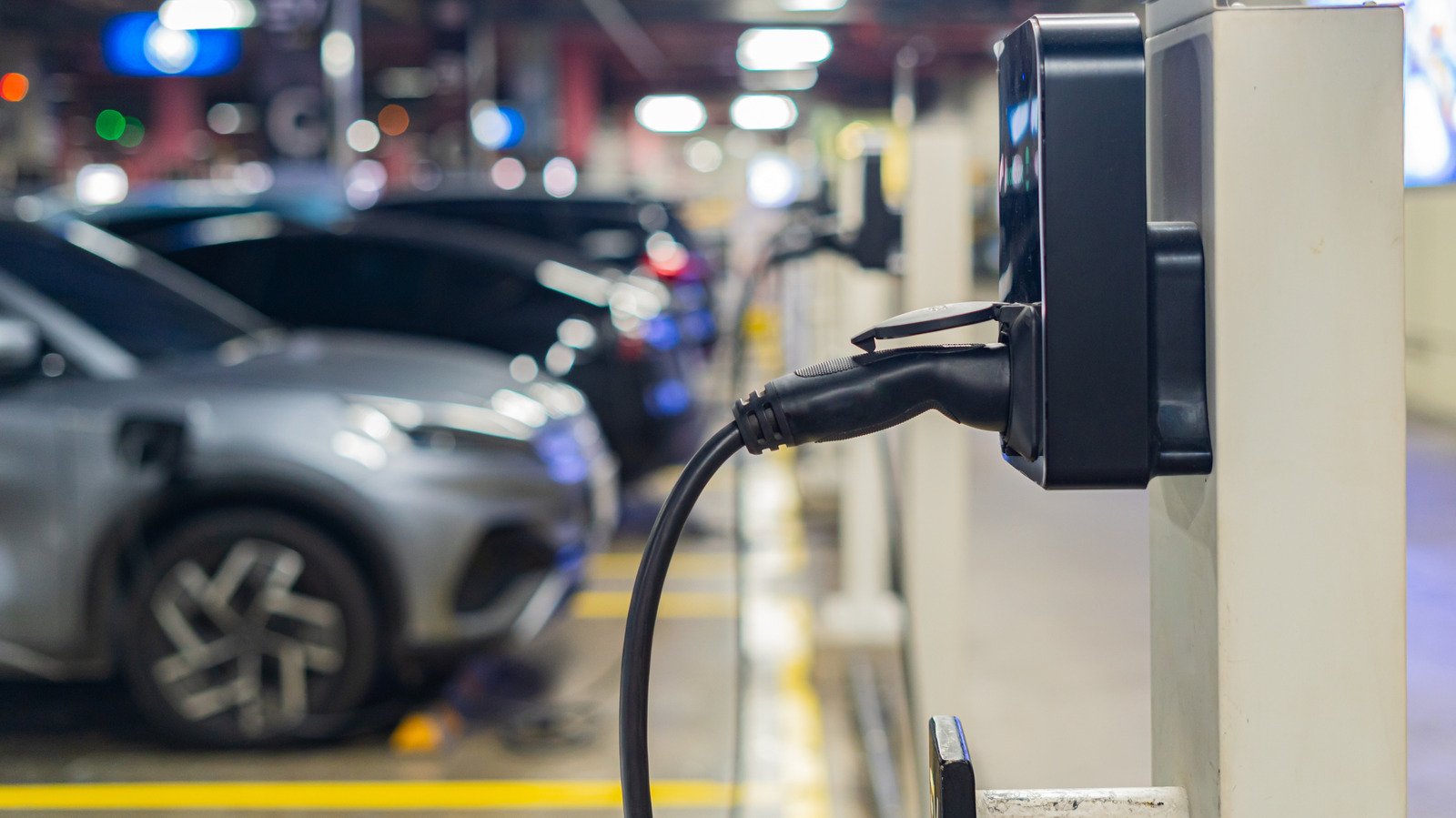
Thanks to their more streamlined designs, fully electric vehicles (EVs) can be considerably less costly to maintain than cars that run on gas. The potential savings that come from owning an electric car depend on a lot of factors, but back in 2020, a Consumer Reports study found that a lifetime’s worth of repair and maintenance on battery electric vehicles (BEVs) costs drivers about half of what upkeep on gas-powered alternatives costs. Since then, EV technology has only continued to evolve. And while the exact costs of ownership will vary depending on brand, model, and vehicle size, the Hyundai Kona Electric seems to uphold that EVs are cheaper to maintain over time, at least when compared to the combustion-engine-powered Toyota RAV4.
According to CarEdge, maintenance and repair costs for a Hyundai Kona Electric come to about $1,561 after five years and $4,708 over 10 years. By comparison, CarEdge says the RAV4 is estimated to rack up a repair tab of about $1,938 after five years and $6,005 over 10 years. That gives the Kona Electric a roughly $377 advantage in the first five years and a $1,297 advantage over a decade, making it one of the cars with lower repair costs than the renowned RAV4. These lower upkeep costs give the Kona Electric a meaningful edge against one of America’s most trusted SUVs.
 Jonathan Weiss & Zelma Brezinska/Shutterstock
Much of these savings stem from electric vehicles like the Kona Electric having fewer routine service items than gas-powered cars. There is no engine oil to change or spark plugs to replace, and EVs rack up less brake pad wear thanks to their regenerative braking systems. Meanwhile, the RAV4 still has a combustion engine to service. RepairPal estimates a RAV4 oil change can cost over $150 at a 10,000-mile interval; therefore, oil changes alone could run drivers upwards of $1,500 every 100,000 miles. Similarly, RAV4 brake pad replacements could cost around $330, although actual brake wear depends on driving style, terrain, and traffic.
Fuel costs are another way the Kona Electric’s drivetrain saves drivers money. EnergySage estimates average home EV charging costs about 17 cents per kilowatt-hour, while public charging costs about 37 cents per kilowatt-hour. That means the Kona Electric SEL’s 64.8-kilowatt-hour battery could cost roughly $11 for a full home charge, or about $24 at the average public rate. The Environmental Protection Agency (EPA) projects that battery’s range lasts up to 261 miles, while the 2025 gas-powered RAV4‘s front-wheel-drive version is rated at 30 miles per gallon, 435 miles total range, and $58 to fill its 14.5-gallon tank at $4 per gallon. That means savings of about $1,370 a year, or roughly $6,850 over five years with home charging, assuming 15,000 miles of annual driving. Even at public charging rates, Kona Electric drivers would still save about $620 compared to RAV4 drivers before charging losses, or roughly $3,100 over five years — providing even more reasons drivers should avoid the RAV4.
Search
RECENT PRESS RELEASES
Related Post