This new EV charger hits 600 kW – and it fits where others can’t
April 22, 2026
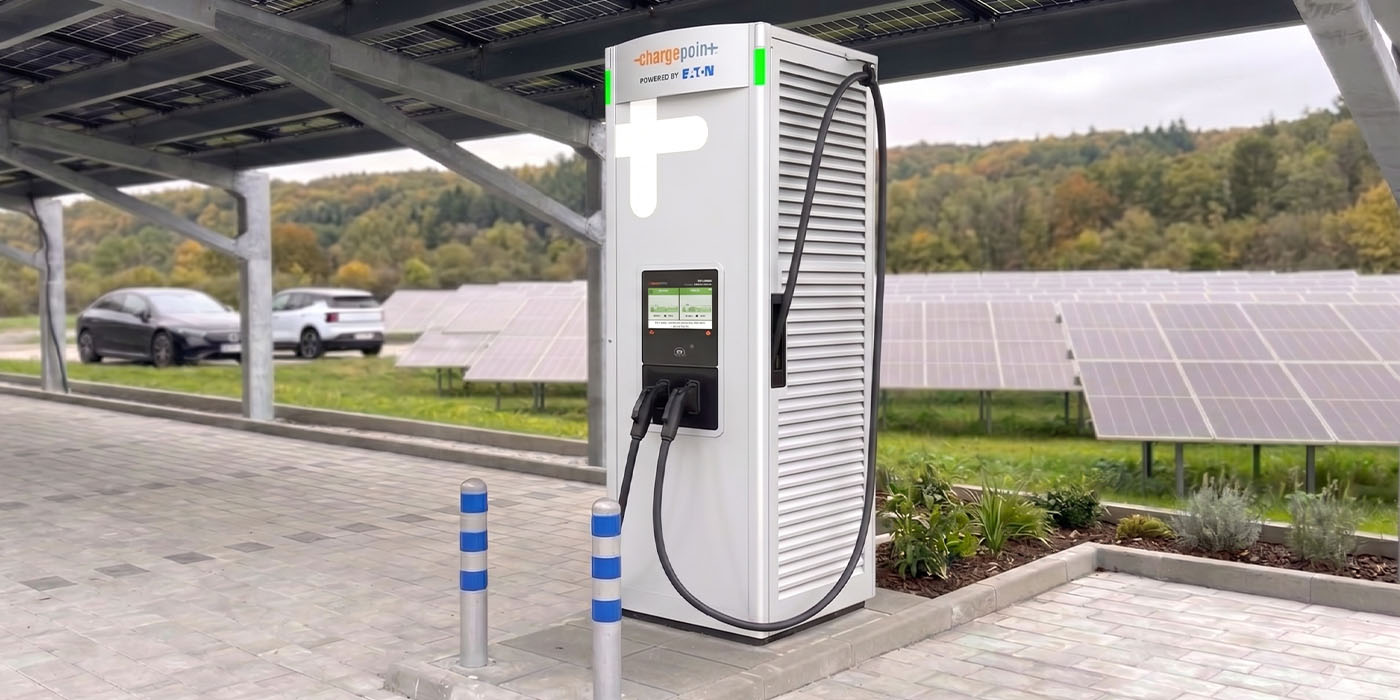
ChargePoint just unveiled a 600 kW EV charger – and it claims it’s the world’s fastest standalone unit.
The company’s new Express Solo DC fast charger can deliver up to 600 kilowatts to a single EV. That’s a big step up in power, and it’s part of ChargePoint’s next-generation charging architecture aimed at speeding up deployments while squeezing more performance into smaller sites.
Express Solo is also notable for where it’s going: It’s ChargePoint’s first DC fast charger that will be sold in both North America and Europe, as the company pushes further into international markets.
The hardware itself is designed to be compact. ChargePoint says it delivers about 40% higher power density than other DC fast chargers while using a smaller footprint, which could make a difference in tight locations like urban gas stations and convenience stores. The idea is simple: faster charging in places where space – and construction budgets – are limited.
Advertisement – scroll for more content
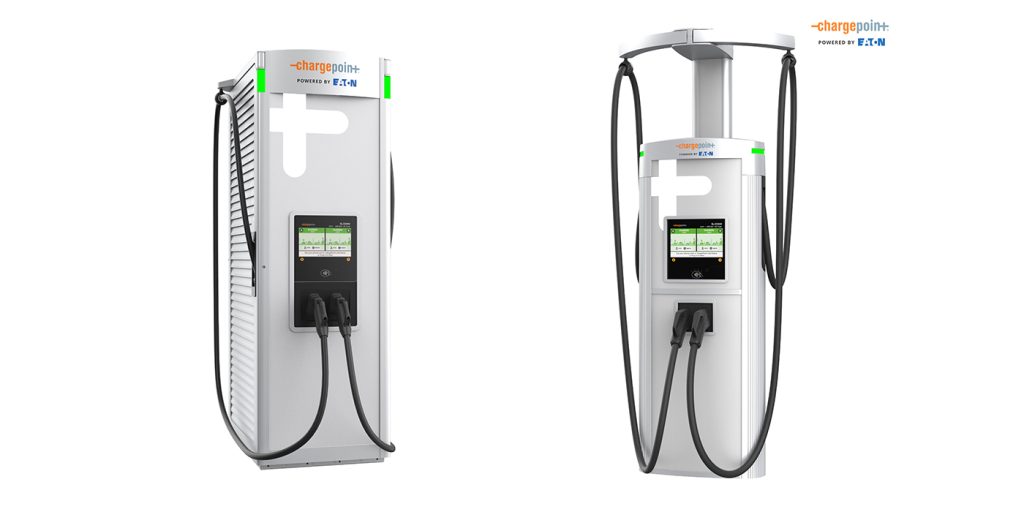
Despite being a single-cabinet unit, Express Solo can charge two EVs at once, and it can be paired with an additional dispenser to serve up to four vehicles. When multiple EVs are plugged in, the system can dynamically allocate power – up to 600 kW per port – depending on demand.
That flexibility matters for site hosts. More ports and higher power can translate into more throughput, which means more revenue potential at busy locations.
ChargePoint says Express Solo is designed to address some of the biggest challenges in DC fast-charging rollouts: grid constraints, charging speed, reliability, and cost. The new architecture is designed to deliver more power in a smaller footprint while supporting bidirectional charging and integrating with on-site energy storage.
That last part is key. Express Solo includes direct DC inputs, making it easier to pair with battery storage systems or on-site solar. That could help reduce strain on the grid and lower operating costs, especially at high-use charging sites.
The system also supports both NACS and CCS connectors through ChargePoint’s Omni Port system, so drivers don’t have to worry about compatibility.
Behind the scenes, the new platform is part of a broader collaboration with Eaton, an intelligent power management company. Together, the two developed what they call ChargePoint Express Grid, which combines charging hardware with power infrastructure to simplify deployments and reduce upfront costs.
ChargePoint says the goal is to make fast charging easier and cheaper to build, while also making it more scalable over time. Express Solo can serve as a starting point for a site and expand as demand grows, without requiring a full redesign.
In other words, instead of treating EV chargers as fixed assets, ChargePoint is pitching this as more of a flexible energy platform that can evolve alongside EV adoption and higher-power vehicles.
600 kW sounds impressive – and it is – but the short-term focus is utilization.
We’re starting to see a shift away from just counting stalls to thinking about throughput: how many cars a site can actually serve, how quickly, and at what cost. Higher power, dynamic load sharing, and storage integration all point in that direction.
That said, very few EVs today can take anything close to 600 kW, so don’t expect five-minute charges just yet. The near-term value is more about flexibility and futureproofing – especially at high-traffic sites where space is tight, and grid upgrades are expensive.
If ChargePoint can deliver this with better uptime and lower install costs, that’s what could really move the needle.
Read more: ChargePoint + Eaton’s Express Grid amps up DC fast charging

If you’ve ever considered going solar, make it easy by finding a trusted, reliable solar installer near you that offers competitive pricing by checking out EnergySage. It has hundreds of pre-vetted solar installers competing for your business, ensuring you get high-quality solutions and save 20-30% compared to going it alone. Plus, it’s free to use, and you won’t get sales calls until you select an installer and share your phone number with them.
Your personalized solar quotes are easy to compare online, and you’ll get access to unbiased Energy Advisors to help you every step of the way. Get started here.


Search
RECENT PRESS RELEASES
Related Post