Three reasons the stock market can endure the war
March 29, 2026
Pessimists have overused the image of Wile E. Coyote running off a cliff and not falling until after doing a double-take. If U.S. troops end up in another Middle East quagmire that drives oil to $200 a barrel, those who already sold their stocks will be in told-you-so mode as share prices follow the coyote to a hard landing.
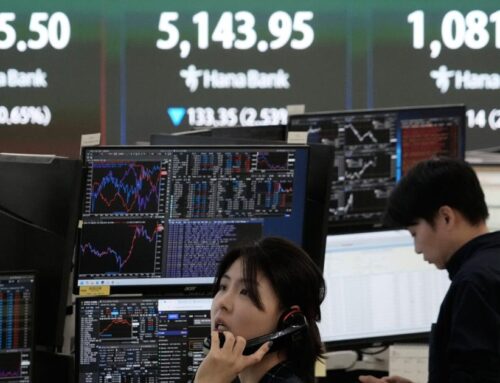
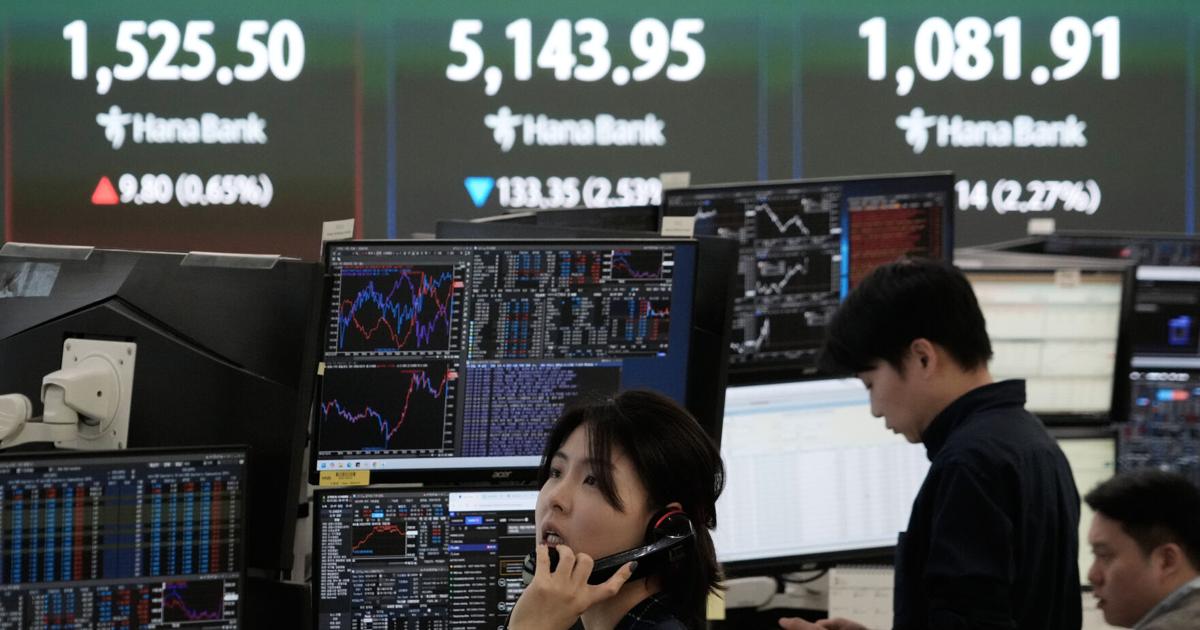
So far, though, the fall is small given the scale of disruption. The S&P 500 is down 7.4% from its prewar high, only slightly more than falls over the same period in May 2019 or April 2018—neither at all memorable. Amid a global energy crisis that has already led to fuel rationing in some Asian countries, cautious Roadrunner fans see investor complacency.
Yet the market isn’t held up by air alone. Here are three supports: recent military history, U.S. earnings and hopes for artificial intelligence.
Bombs vs. bubbles
Military expeditions, wars and revolutions typically don’t have a lasting impact on U.S. stocks. The average drop across 30 major geopolitical events since 1939 was just 4%, according to Deutsche Bank, and the rebound was quick.
That is partly because the U.S. has been a lucky country. Even when it lost wars in Vietnam and Afghanistan there was no damage to the domestic industrial base, unlike the destruction of British, German and Japanese cities in World War II.
The four great bear markets of the past century—the Great Depression, the 1973-74 oil embargo, the dot-com crash and the 2007-09 financial crisis—were much worse for global stocks than either of the world wars, academics Elroy Dimson, Paul Marsh and Mike Staunton point out in a long-term study for UBS. (Some losers were crushed, though: Stocks in Russia went to zero after its revolution and surrender during World War I, while Japanese stocks lost 96% in World War II in real terms.)
The good fortune of the U.S. is also because what mostly matters for markets is what goes on in finance and the economy. In 2001, the invasion of Afghanistan was followed by a short, sharp rally in U.S. stocks, then a year of decline. Much more important than the wall-to-wall TV coverage of roadside bombs and body bags was the ongoing deflation of the dot-com bubble.
Iran could be different: Its closure of the Strait of Hormuz interrupts roughly a fifth of global oil supplies. Oil prices for immediate delivery are up a lot, but traders are pricing oil back down to $85 a barrel by the end of the year, from $111 now.
Broadly this comes down to politics. Voters in the U.S. won’t tolerate fuel prices even as high as they currently are for long, and midterm elections are approaching. Whether that means U.S. troops invade Iran to try to make it safe for ships, or a peace deal emerges, President Trump has repeatedly demonstrated he really cares about the oil price.
Earnings forecasts
Forecasts for company earnings on the S&P 500 over the next 12 months have gone up since the first attacks on Iran. Wall Street’s expectations for earnings per share are up 3.6%, the fastest over such a short period in five years, according to LSEG data. Other data sources have smaller increases but still a rise.
The biggest expected gains are for oil stocks, obviously. The biggest losers include oil consumers, notably chemical companies, airlines and cruise lines. But, surprisingly to me, every sector’s earnings estimates have risen since the U.S.-Israeli attack began, with the technology sector seeing its biggest increase over a four-week period since the data began in 1995.
The economy’s stability is a crucial support. It will be hurt by higher oil prices, despite the U.S. being a net energy exporter. But it went into the war strong, so can weather a moderate hit to growth. Few investors are predicting recession, even as worries about inflation and slower growth prompt talk of stagflation.
“We are starting from a strong footing when it comes to the global economy,” said Raphaël Thuin, head of capital market strategies at Tikehau Capital. “We can absorb a shock and still have a decent year. If we can get out of this relatively quickly, everything will be fine.”
AI optimism
Hopes for the AI boom continue to support the market, with investors betting that money will keep pouring into data centers needing shed loads of new microchips.
Just how sensitive stocks are to any threat to AI spending was shown by the effect of a new paper from Google Research last week, which promises data compression able to reduce the need for expensive short-term memory in large language models. Shares in Sandisk, Seagate Technology, Micron Technology and Western Digital, which had soared on demand for the fast memory chips they make, plunged.
Core to all this is the idea that the war will be over quickly. That could be wrong: Iran or the U.S. might decide the other side’s terms for peace are too onerous, Israel might keep fighting, or, if Trump sends in troops, drawn-out resistance might prevent ships using the Gulf for a long time. Even if the war ends fast, damage already done to oil production facilities could have long-lasting effects.
I’m more worried about the war in Iran than many in markets. But it is important to acknowledge that there are good reasons investors have been reluctant to look down. The Wile E. Coyote plunge, while plausible, isn’t inevitable.
Write to James Mackintosh at james.mackintosh@wsj.com
Search
RECENT PRESS RELEASES
Related Post