Top 4 Clean Tech Companies to Watch in 2026
December 29, 2025
Clean technology is changing how the world makes and uses energy. It is helping reduce pollution and fight climate change. More companies are building tools and systems that produce energy without burning carbon fuels. These companies attract investors who want growth and a positive environmental impact.
In this article, we look at the top 4 clean tech companies to keep an eye on in 2026. We rank them by size, growth potential, financial strength, and clean tech impact. The goal is to help you understand who these companies are and why they matter.
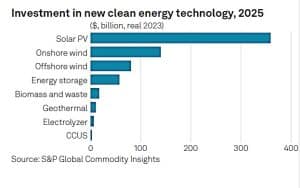
Global clean tech investment hit $1.8T in 2025 (up 15% YoY), with solar and wind dominating 62% and hydrogen/fuel cells at 12%. These four companies capture 8% of the US-listed clean tech market cap.
NextEra Energy: Clean Power at Utility Scale
NextEra Energy is the largest clean energy company in the world. It owns and operates wind farms, solar fields, and battery storage systems across the United States. The clean tech company also runs Florida Power & Light, a big utility that serves millions of customers.
NextEra’s strategy is to produce as much clean power as possible. The company has set clear targets to reduce carbon emissions sharply by 2025 and reach net zero by 2045. NextEra is also working on new technology, like green hydrogen and smart grid systems, to support future clean energy growth.
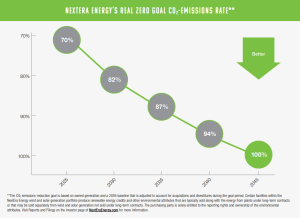
On the financial side, NextEra is strong. Its market value was over $170 billion in 2025, making it one of the most valuable clean energy stocks. In 2024, it reported revenues near $25 billion and posted solid net income, showing stable profits and a healthy balance sheet. NextEra has also increased its dividend for more than 26 years in a row, which many long‑term investors find attractive.
Clean energy and emissions reduction efforts include:
NextEra Energy is the largest producer of wind and solar power in North America. As of September 2025, the company operated 76 gigawatts (GW) of renewable energy capacity.
Through Florida Power & Light, NextEra has reduced power-sector carbon emissions by more than 30% since 2005, even as customer demand has grown. The utility has installed over 6 GW of solar capacity in Florida alone, making it the largest utility-scale solar owner in the U.S. It continues to expand battery storage to support grid stability and emissions reduction.

NextEra’s stock is widely held by clean energy funds and large investors. It appears in many U.S. clean energy ETFs. The company’s scale and track record make it a core choice for those who want a clean energy leader with financial strength.
First Solar: Manufacturing the Solar Backbone
First Solar is one of the top makers of solar panels worldwide. It uses a technology called thin‑film photovoltaic modules. These panels are lighter, use fewer raw materials, and often perform better in hot climates compared to traditional silicon panels. The company builds large solar power plants that send power to utilities and corporate customers.
First Solar has a solid backlog of signed contracts stretching out to 2030. These long‑term deals help make its future revenue more predictable. The company is also expanding its manufacturing in the U.S. with new factories in Ohio and Alabama. This growth adds capacity and helps secure the clean energy supply chain at a time when many countries want more domestic production.
Here’s the company’s achievements in numbers:

Financially, First Solar is a strong player. Its market cap was around $24 billion in 2025, and it has shown double‑digit revenue growth. Analysts note that the company’s order book gives it visibility into future sales, which is important for stability and planning.
Clean energy initiatives are:
First Solar’s thin-film cadmium telluride (CdTe) modules are among the lowest-carbon solar technologies commercially available. Independent lifecycle assessments cited in company sustainability filings show First Solar modules produce over 40% lower lifecycle carbon emissions than conventional crystalline silicon panels manufactured in Asia.
The company also operates a global panel recycling program with a documented recovery rate above 90% for semiconductor materials and glass, reducing waste and raw material demand.
By supplying utility-scale solar projects worldwide, First Solar’s deployed modules contribute to the displacement of fossil fuel generation with zero-emission electricity over multi-decade operating lives.

First Solar’s focus on solar manufacturing and project development makes it a favorite among investors who want exposure to clean tech with clear and measurable revenues.
Bloom Energy: Fuel Cells for a Low-Carbon Grid
Bloom Energy makes a special type of power generator called a solid‑oxide fuel cell. These units produce electricity efficiently and with low emissions. Customers include data centers, large buildings, and industrial sites that need reliable power without high carbon output. Bloom’s fuel cells can run on hydrogen or biogas, which makes them flexible for future clean energy systems.
Bloom’s stock performance in 2025 has been remarkable. Premium financial news reported that its stock jumped more than 410 % in 2025 after strong earnings results. The company posted quarterly revenue of $519 million, beating analyst expectations.
Although Bloom still reports net losses at times, these are seen by many as part of its growth and investment phase.
Bloom’s clean energy and emissions impact are embedded in its fuel cell technology:
Bloom Energy’s solid-oxide fuel cells generate electricity at electrical efficiencies of up to 60%. This is significantly higher than traditional combustion-based power generation.
When operating on natural gas, Bloom systems emit up to 45% less CO₂ than coal-fired power and materially less than diesel backup generators. When fueled with biogas or hydrogen, direct carbon emissions are near zero at the point of generation.
According to company disclosures, Bloom systems deployed globally have generated tens of terawatt-hours of electricity, supporting emissions reductions for data centers, hospitals, and industrial customers seeking lower-carbon, high-reliability power.
As a mid‑sized public company, Bloom Energy blends innovation with real market traction. It has partnerships with major firms and is finding demand in areas like data center power and microgrids. Investors interested in clean tech that goes beyond solar and wind often watch Bloom closely.
Plug Power: Betting on the Hydrogen Economy
Plug Power focuses on hydrogen fuel cell systems. Its products are designed to replace traditional batteries and fossil fuels in heavy equipment, forklifts, and industrial vehicles.
The company is also building hydrogen production and fueling infrastructure across North America and Europe. This supports a broader “green hydrogen” economy — where hydrogen is made from clean energy sources like wind and solar.
Plug Power has faced financial challenges, including consistent net losses and stock price volatility. Recent tax policy changes in the U.S. extended incentives for hydrogen infrastructure, delivering some support to the hydrogen sector and lifting Plug Power shares.

In 2024 and 2025, Plug Power reported revenue in the low hundreds of millions, but with plans to scale its electrolyzer and fuel cell deployments. Its long‑term growth story depends on hydrogen demand and policy support worldwide.
Clean energy and emissions efforts include:
Plug Power has deployed more than 60,000 hydrogen fuel cell systems globally, primarily replacing lead-acid batteries and propane systems in material-handling fleets. These deployments have enabled customers to eliminate on-site combustion emissions and reduce operational carbon output.
Plug is also expanding green hydrogen production, with multiple operational and planned plants designed to produce hydrogen using renewable electricity rather than fossil fuels. The company reports that hydrogen fuel cell forklifts can cut greenhouse gas emissions by up to 30% compared with propane alternatives, depending on hydrogen sourcing, while eliminating tailpipe pollutants.
While riskier than the companies above, Plug Power represents a future‑focused segment of clean tech — hydrogen. Investors drawn to bold, transformative ideas may find it worth watching.
What Sets These Clean Tech Leaders Apart
Clean technology is not a single tool; it is a wide set of technologies that can reduce carbon emissions and power the future. Wind farms, solar panels, fuel cells, and hydrogen systems are all part of the clean tech mix investors watch today.
There are three big reasons these top four clean tech companies matter:
- They produce or enable energy with lower emissions than fossil fuels.
- They have real revenue or backed contracts that support long‑term growth.
- They are part of a global shift toward clean energy demand and infrastructure build‑out.
Clean tech investments are often tied to government policies, tax incentives, and climate goals. In the United States and abroad, new rules and funding for clean energy are helping make these companies more financially viable and attractive to investors.
What to Watch in 2026 and Beyond
The clean tech sector is evolving fast. Here are the key trends to follow:
- Demand from Big Tech and Data Centers
Large tech firms are moving to clean power for their data centers and operations. This demand helps companies like NextEra, First Solar, Bloom Energy, and Plug Power. Solar plus storage and fuel cell solutions fit this trend well.
- Policy and Incentives
Tax credits, renewable energy standards, and climate legislation can shift investor confidence quickly. Recent policies have supported both solar and hydrogen incentives.
- Infrastructure Build‑Out
To support wind, solar, hydrogen, and storage at scale, new infrastructure, from transmission lines to fueling stations, is needed. Companies involved in these systems may see growth if infrastructure spending continues.
Clean Tech’s Role in the Next Energy Cycle
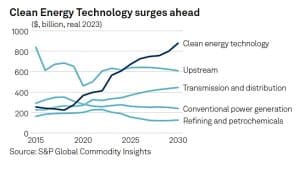
Clean technology is more than a trend — it is becoming a core part of how the world produces and uses energy. The four companies above each play a role in this shift.
NextEra leads at scale, First Solar drives solar manufacturing, Bloom pushes new fuel cell solutions, and Plug Power bets on hydrogen’s future. Investors looking for exposure to clean tech growth may consider these companies as part of a broader energy portfolio.
Search
RECENT PRESS RELEASES
Related Post