Tribes Do Not Need a Greenlight to Build Renewable Energy
December 18, 2025
- Details
- By Catherine Zingg
-
December 18, 2025
Renewable energy is an internal Tribal matter and an exercise of sovereignty—not something that requires approval from rural electric cooperatives.
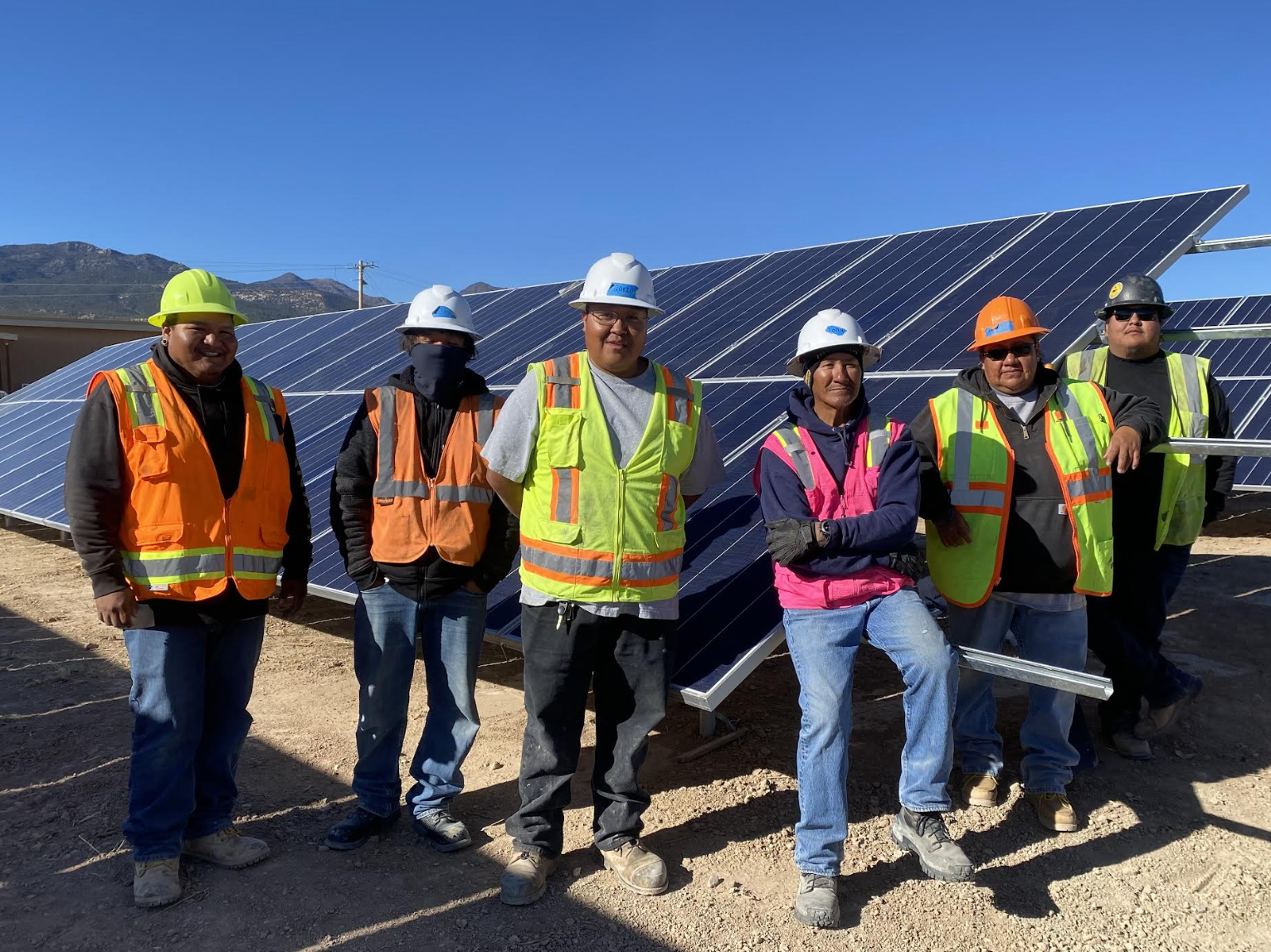
Guest Opinion. In May, at a Tribal clean energy conference, I listened as a member of the Upper Sioux Indian Community described their frustration with their rural electric cooperative. The Tribe had invested in a 2.5-megawatt solar project to offset the energy demand of their casino—yet the panels sat idle, waiting for permission to turn on. When the Tribe moved to energize the system without the blessing of Minnesota Valley Cooperative Light & Power, they received notice that power to the casino would be shut off. This story is not unique. Across Indian Country, Tribes building behind-the-meter solar or other distributed energy resources consistently encounter outdated cooperative policies that discourage or block Tribal ownership of renewable energy. These policies effectively determine who can and cannot build solar, maintaining a status quo that keeps local energy ownership stagnant in rural and Tribal communities.
This dynamic was challenged by Upper Sioux earlier this year in a complaint filed at the Minnesota Public Utilities Commission (PUC). By asserting their right to energize their own behind-the-meter project, the Tribe reminded both the state and their service provider that renewable energy development on Tribal lands is fundamentally an internal matter of Tribal sovereignty. As pressure grows nationwide to expand clean energy, this case makes clear that PUCs and cooperatives must reform policies that impose control over Tribal decisions. Their job is not to grant permission, but to ensure they do not stand in the way.
Understanding this moment starts with understanding the role of PUCs. Public Utilities Commissions oversee the regulatory system governing electricity. They set rates, approve increases, protect customers from monopoly behavior, and approve long-term energy plans. Commissioners juggle competing interests from utilities, cooperatives, consumer advocates, and environmental justice organizations. Their core mandate is to keep energy affordable and reliable.
But one group consistently remains outside that balancing act: Tribal Nations. Despite state energy decisions affecting Tribes daily, they are rarely included meaningfully in PUC processes. Minnesota’s Tribal relations statute encourages engagement, but it is not enforceable and lacks remedies when state agencies fall short. Expressions of values are not enough.
The deeper issue is structural. PUCs favor traditional decision-making grounded in quantifiable financial impacts. Commissioners often struggle to fully weigh environmental harm or equity considerations. Few commissions have policy mandates on climate change, let alone Tribal engagement or sovereignty. I have been in hearings where Tribal members describe long-term harm from utility actions, only to be asked, “How would you calculate the cost?” These limitations block meaningful participation and perpetuate inequities.
There must be a fundamental shift toward a PUC culture that upholds Tribal sovereignty and includes enforceable protections.
The Upper Sioux case offered a glimpse of what that could look like. Commissioners unanimously agreed that the cooperative acted in a discriminatory manner toward the Tribe recognizing that the co-op had no exclusive right to control the Tribe’s use of electricity. For other Tribes, this should be a signal: there is room to assert rights even in a system that historically overlooks Tribal concerns.
Another encouraging sign was the coalition supporting Upper Sioux. Organizations such as the Midwest Tribal Energy Resource Association (MTERA), Tribal Energy Alternatives (TEA), CURE, and the Tribal Advocacy Council on Energy (TACE) submitted arguments urging the Commission to recognize Tribal sovereignty. These groups continue to push for Tribal-driven energy development and for government agencies that center Tribal leadership.
However, the case is far from resolved. After the initial complaint, a new docket was opened to consider transferring the Tribe’s casino load from the cooperative to Xcel Energy per the Tribe’s request. This jurisdictional maze forces Tribes back into state systems that grant utilities enormous control over distributed energy resources while offering Tribes little procedural power. The potential economic loss for the cooperative in this case should serve as a lesson: when utilities create barriers to Tribal energy development, Tribes will pursue alternatives.
The broader lesson is clear that case-by-case fights are not sustainable. Without meaningful policy reform, Tribes will remain entangled in processes that limit their autonomy over energy on their own lands. Commissioners, policymakers, and Tribal leaders should consider establishing a formal rule granting Tribes cooperating-agency status within PUC proceedings. This status would allow Tribes to insert their own analysis into regulatory decisions carrying the weight of government-to-government engagement. Such a reform would strengthen Tribal procedural authority and help prevent future conflicts like the one involving Upper Sioux.
Change is the only constant in the energy industry. If Minnesota and other states are serious about renewable energy transitions, then Tribal Nations must not be required to wait for permission from rural electric cooperatives to build the clean energy projects their communities need. The authority to make those decisions belongs to Tribes. It is time to make that clear.
Catherine Zingg (Ho-Chunk Nation) is the policy director at Tribal Energy Alternatives.
Help us defend tribal sovereignty.
At Native News Online, our mission is rooted in telling the stories that strengthen sovereignty and uplift Indigenous voices — not just at year’s end, but every single day.
Because of your generosity last year, we were able to keep our reporters on the ground in tribal communities, at national gatherings and in the halls of Congress — covering the issues that matter most to Indian Country: sovereignty, culture, education, health and economic opportunity.
That support sustained us through a tough year in 2025. Now, as we look to the year ahead, we need your help right now to ensure warrior journalism remains strong — reporting that defends tribal sovereignty, amplifies Native truth, and holds power accountable.
 The stakes couldn’t be higher. Your support keeps Native voices heard, Native stories told and Native sovereignty defended.
Stand with Warrior Journalism today.
Levi Rickert (Potawatomi), Editor & Publisher
Search
RECENT PRESS RELEASES
Related Post