Trump Pulls Back on Tariffs. Why Investors Are Cheering the Greenland Detente
January 21, 2026
An agreement with Europe seemed to end the threat of tariffs.
One day after stocks tumbled on fears of a trade war with Europe over Greenland, the S&P 500 (^GSPC +1.16%) was bouncing back, climbing up 1.2% on Wednesday after those tensions cooled.
President Trump, who had said at one point that the U.S. would take Greenland “one way or the other,” pulled back from threats to tariff eight European countries by 10% in order to coerce them to strike a deal to give the U.S. control over the Danish territory, as he said the two sides were working toward a deal.
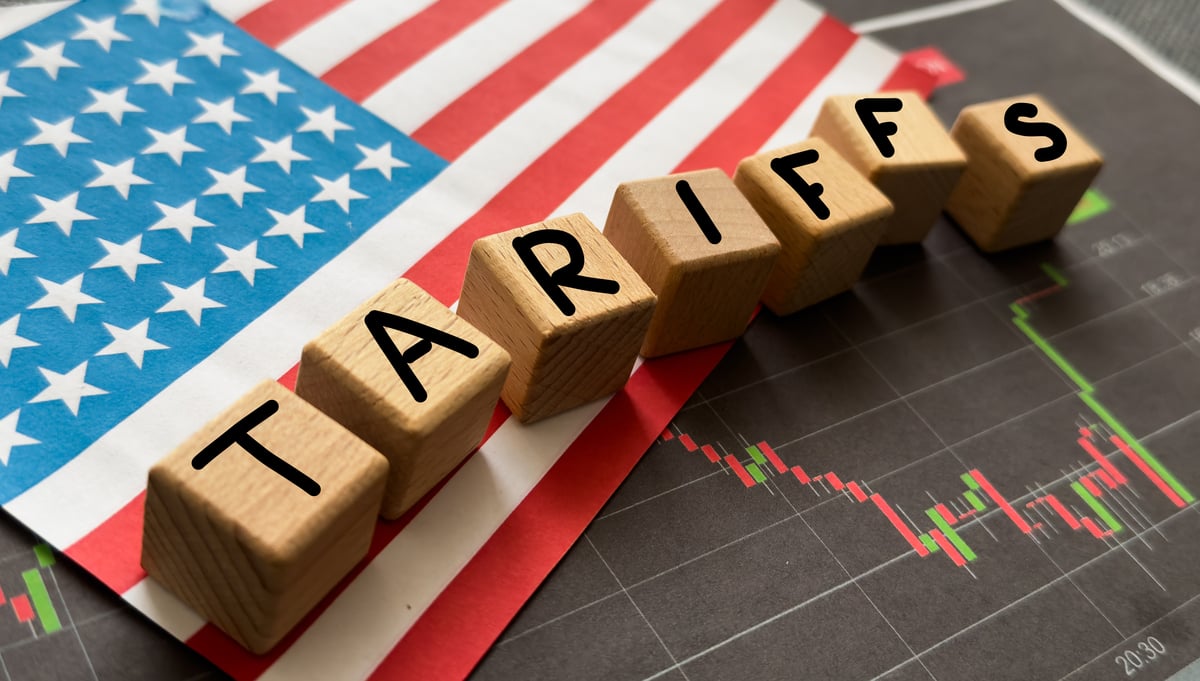
Image source: Getty Images.
A familiar pattern
Investors who bought the dip would have been rewarded, and that pattern with President Trump has repeated itself enough times that it has been given a nickname in the media: TACO, or Trump Always Chickens Out.
The President has used the threat of tariffs for negotiations in a way that no previous president in modern times has, but he’s stepped back from threats before. For example, a week after stocks plunged on his “Liberation Day” tariffs announcement, Trump announced a pause on those rates, and stocks soared.
There’s been a similar back-and-forth on chip exports to China and other key policies that affect investors.
Advertisement
What it means for investors
Trump said that the U.S. and Europe reached the “framework of a deal” on Greenland with Europe, which appears to give the U.S. sovereignty over small pieces of land in Greenland to build military bases.
Still, tariffs are likely to remain a theme in the economy for the duration of the Trump administration as it’s a favorite negotiating tactic and form of leverage for Trump, and he tends to see the import taxes as a way to encourage more production in the U.S.
The geopolitical risk underlying the Greenland threat and his abasement of Europe are also likely to persist over the next three years.
For investors, there seem to be two ways to approach this. One is to assume that Trump’s negotiating pattern will continue and that sell-offs are buying opportunities because he often pulls back from statements that roil markets.
Another way to handle it is to diversify away from the U.S., especially if you’re looking for an off-ramp from the uncertainty of threats like the Greenland dispute. The U.S. stock market is historically expensive, and investors can find cheaper alternatives in Europe, China, South Korea, and elsewhere if you’re looking to diversify internationally.
Trump seems to be wary of the stock market, and it has performed well while he’s been in office, but that doesn’t mean stocks will continue going up over the next three years. Still, investors are clearly happy to see the conflict over Greenland seemingly resolved.
Search
RECENT PRESS RELEASES
Related Post