UGC fosters global environment for Hong Kong universities by providing students with natio
February 10, 2026
[The content of this article has been produced by our advertising partner.]
In the past three years, the University Grants Committee (UGC) has been supporting public-funded universities to develop a more global learning environment for Hong Kong’s higher education. With an increase of over 30% since the 2023/24 academic year, non-local students in UGC-funded programmes have become far more culturally diversified in recent years as Hong Kong establishes itself as an international education hub. While many are from Chinese Mainland thanks to geographical proximity and enhanced mobility, those from the Belt and Road countries and regions, as well as the Association of Southeast Asian Nations have upsurged between 50% to 240%.
To expand exchange programmes and learning opportunities for students, fostering a diversified and inclusive learning environment on campus, the UGC has allocated HK$100 million to public-funded universities under the Funding Scheme for Chinese Mainland and Global Engagement and Student Learning Experience (Funding Scheme) in the 2023/24 to 2025/26 academic years, supporting a total of 215 initiatives.
Advertisement
With UGC funding, the universities cultivate students’ intercultural competence and increase their global exposure through exchanges, internships, experiential learning activities and other events such as field trips – equipping them with the skills to collaborate across cultural backgrounds and broadening their international horizons.
The Funding Scheme, along with other initiatives implemented by the UGC and the universities, such as the establishment of the “Study in Hong Kong” brand to reinforce the city’s role as an international hub for post-secondary education – forms part of a wider and concerted effort to deepen and widen the internationalisation of Hong Kong’s higher education.
Advertisement
Faculty and students from Lingnan University and The Hong Kong Polytechnic University share their insights on these transformative programmes.
Lingnan University: shaping global citizens through immersive learning beyond the campus
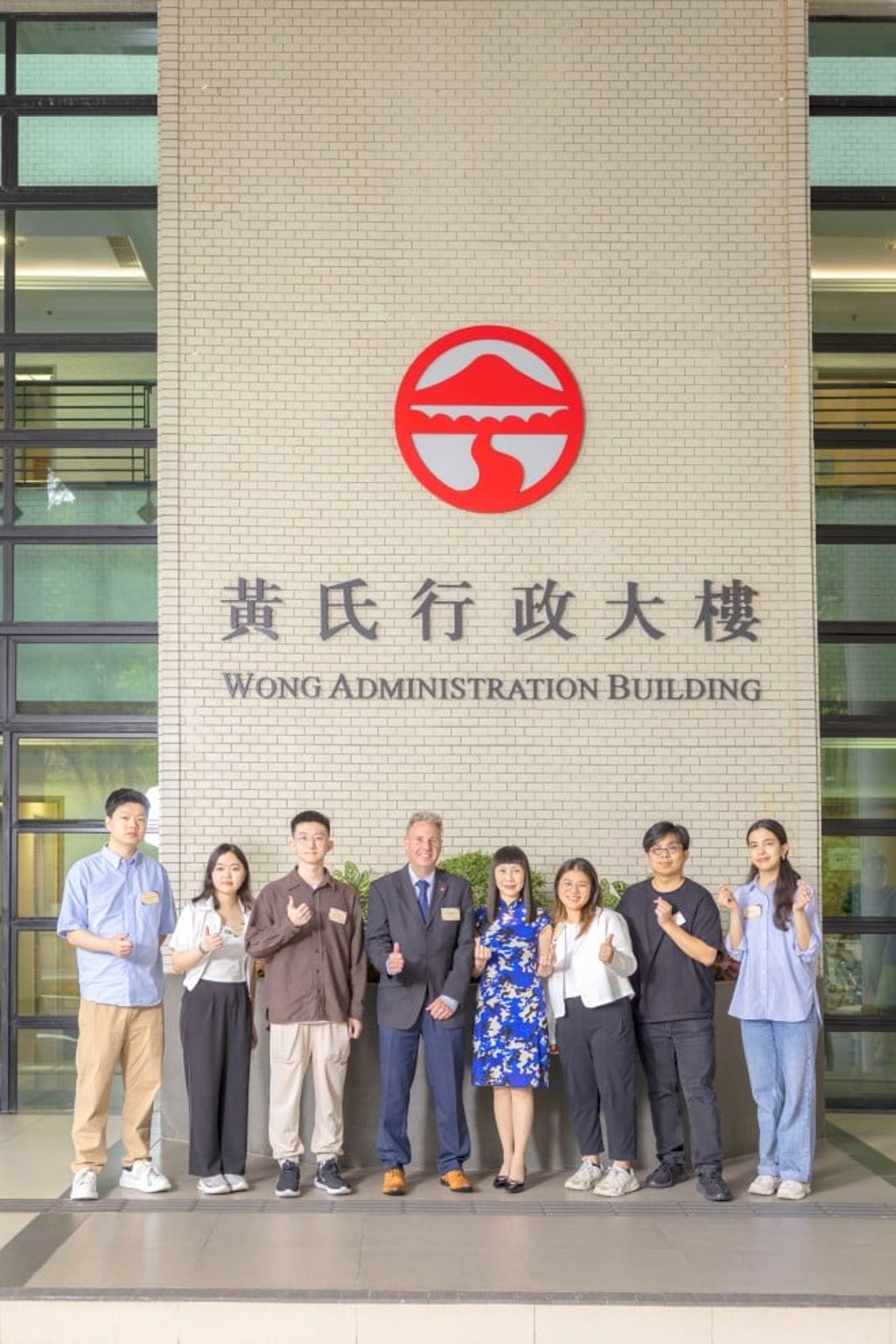
A shining example is economics student Seemi Nisar, who spearheaded a project supporting a farming community in the Philippines—an initiative aligned with the United Nations’ Sustainable Development Goals. “It was transformative for me,” she reflects. Through direct collaboration with fellow students, NGOs, farmers, and local government, she gained the confidence to apply classroom knowledge to real-world challenges while undergoing profound personal growth.
Advertisement
“I used to plan everything ahead of time,” she admits. But the experiential learning project reshaped her approach, honing her adaptability. “I realise now that, in the real world, I have to figure things out as I go.”
Global engagement: embracing a world of perspectives
Lingnan University’s Cultural Immersion Study Tours, launched in the 2023/24 academic year, have been expanding horizons and transforming students into global citizens. By immersing them in the diverse cultures of Belt and Road regions, these experiential journeys foster deep cross-cultural connections and an appreciation for diversity.
Advertisement
In the summer of 2024, 15 students embarked on an eye-opening study tour to Thailand, engaging in immersive classes on Thai culture and language at Mahidol University International College. Guided by esteemed professors and industry executives, they explored the economic influence of the Belt and Road Initiative (BRI) – insights that were reinforced through corporate visits bringing concepts to life.
Beyond the classroom, students also mastered the art of Thai cuisine in hands-on cooking classes, bargained like locals at the bustling Amphawa Floating Market, and even tested their endurance in authentic Thai boxing sessions.
The close academic partnership between Lingnan and Mahidol has enriched students from both universities, says Professor Bradley Barnes, Special Advisor to President on Internationalization and Director of Global Education. “It’s an incredible opportunity for students to see firsthand how the BRI impacts businesses on a local scale,” he explains. “The initiative spans both highly developed and emerging economies, offering diverse perspectives.”
Advertisement
Reflecting on the tour, Professor Barnes notes the overwhelmingly positive feedback. “Students were truly thrilled by the cultural immersion – the warmth, friendships, and unexpected discoveries. These are experiences they would never encounter without stepping outside their comfort zone. Their eagerness to recommend the trip to their peers speaks volumes about its impact.”
For marketing student Yona Yeung, an economics class at Mahidol was particularly enlightening. “We visited local businesses and saw firsthand how the BRI has enhanced their operations. Comparing its effects in Thailand and Hong Kong gave me a new perspective on its far-reaching benefits.”
For Fiona Lau, the trip ignited a deeper sense of global citizenship. “The Thai language class was the highlight, because it was about uncovering the rich history, values, and identity embedded within the language.”
Advertisement
One of Lau’s most unforgettable moments came during an impromptu encounter with a marginalised community. “A Mahidol teaching assistant took us to a live cabaret performance by transgender artists – many of whom face social exclusion,” she recalls. “After the show, we stayed to talk with them, and their heartfelt appreciation for our support was incredibly moving. Our open conversations shed light on the discrimination they endure and offered a powerful glimpse into gender issues in Thailand.”
Enhancing intercultural competence
Experiential learning and collaborations with peers from diverse cultural backgrounds in an international context have enriched students’ global perspective.
Advertisement
A standout achievement was the Joint Humanitarian Entrepreneurship Summer Academy 2024, which united 25 Lingnan students with peers from Batangas State University in the Philippines for five transformative humanitarian technology and social innovation projects. Built on a co-learning model, the initiative championed mutual respect, cross-cultural exchange, and shared leadership. Students from both universities engaged in joint fieldwork, immersive design-thinking workshops, and reflective learning sessions, crafting practical solutions for local government bodies and NGOs through the concepts of humanitarian technology and inclusive business.
Among the projects, one team tackled the struggles faced by sugarcane farmers, devising strategies to strengthen resilience and sustainability in their livelihoods. Project leader Seemi Nisar embraced the challenge, relishing the opportunity to unite various stakeholders within the farming community. “All stakeholders shared common goals, but their approaches differed,” she explains. “Our solution was to bring them onto the same page, enabling them to collaborate toward shared objectives and optimise resources effectively.”
The intensive two-week programme demonstrated how a diverse mix of voices with the spirit of teamwork led to better discussions, decisions, and outcomes for everyone.
Advertisement
“We had a diverse group – students from the Philippines, Hong Kong, Chinese Mainland, Canada, and myself from Pakistan,” Nisar shares. “Everyone contributed their unique experiences, enriching the project with fresh perspectives.”
Another team explored the benefits of organic farming to support healthy ageing among seniors. For participant Alvis Cheung Man Hin, the experience proved to be a confidence booster, sharpening his ability to identify community needs and devise actionable solutions.
He also underscores the importance of human connection in successful collaborations. “Friendliness and curiosity are the foundation,” he says. “I loved chatting with my teammates during coffee breaks –to get to know each other on top of the project. That personal bond helped build trust and strengthen our teamwork.”
Advertisement
Bridging classroom to career: Greater Bay Area internships
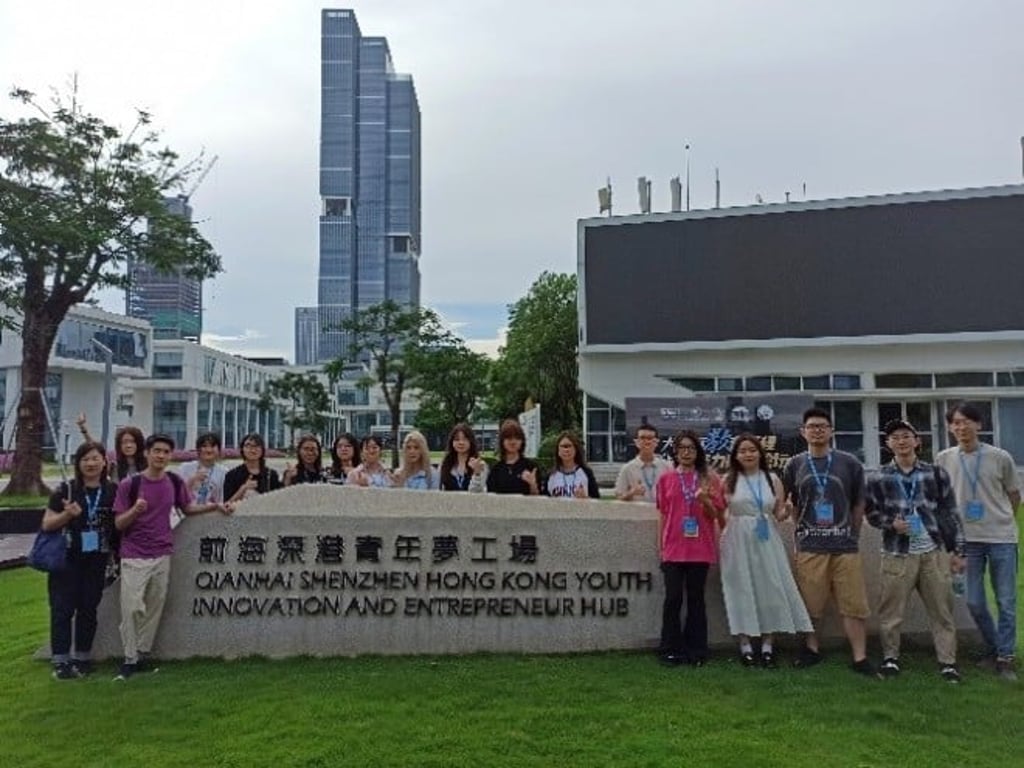
During the 2023/24 cycle, 24 students secured placements across Shenzhen and Dongguan, gaining practical experience in government offices, state-owned enterprises, private firms, and joint ventures. This immersive experience exposes students to cutting-edge advancements defining the GBA’s thriving tech ecosystem.
“For instance, students told me that Meituan used robots to deliver food to their hotel rooms,” Ng shares. “Experiencing this kind of innovation firsthand inspires students to think about how they might further develop and apply similar concepts in Hong Kong. Exposure to diverse operational environments also cultivates an inclusive mindset.”
Advertisement
To prepare students, Lingnan curated extensive pre-internship training, including a three-day ‘taster’ tour of key partner organisations across the GBA. Additionally, the OSA arranged an exclusive dinner gathering for CEOs and interns, offering students a rare opportunity to engage with top executives in a cosy setting.
“It was an unforgettable experience,” says Liu Duo, reflecting on the dinner with government officials and corporate leaders. “I sat next to a government official, and we had a meaningful exchange about regional developments. It was insightful and will undoubtedly benefit my future career.”
For Tang Kwan Yeung, who interned at the Bao’an Health Bureau, the experience was equally transformative. “Many locals came to the office with inquiries, and I observed how staff efficiently handled them,” he explains. “I even assisted in responding to some public queries, which strengthened my Putonghua proficiency and sharpened my problem-solving skills.”
Advertisement
Ng says that feedback from partner organisations is encouraging. “Many have expressed willingness to offer long-term positions to our students.”
Education for service: empowering future leaders
Lingnan University’s integrated approach offers students a transformative journey – seamlessly weaving together global perspectives, regional expertise, career-ready skills, and community impact. Graduates emerge with the vision, empathy, and capabilities to shape not only their own futures but also create meaningful change worldwide.
Advertisement
PolyU expands global learning initiatives to shape future leaders
A stroll through The Hong Kong Polytechnic University (PolyU) campus reveals a vibrant, harmonious atmosphere, radiating from a diverse, purpose-driven community of students and faculty.
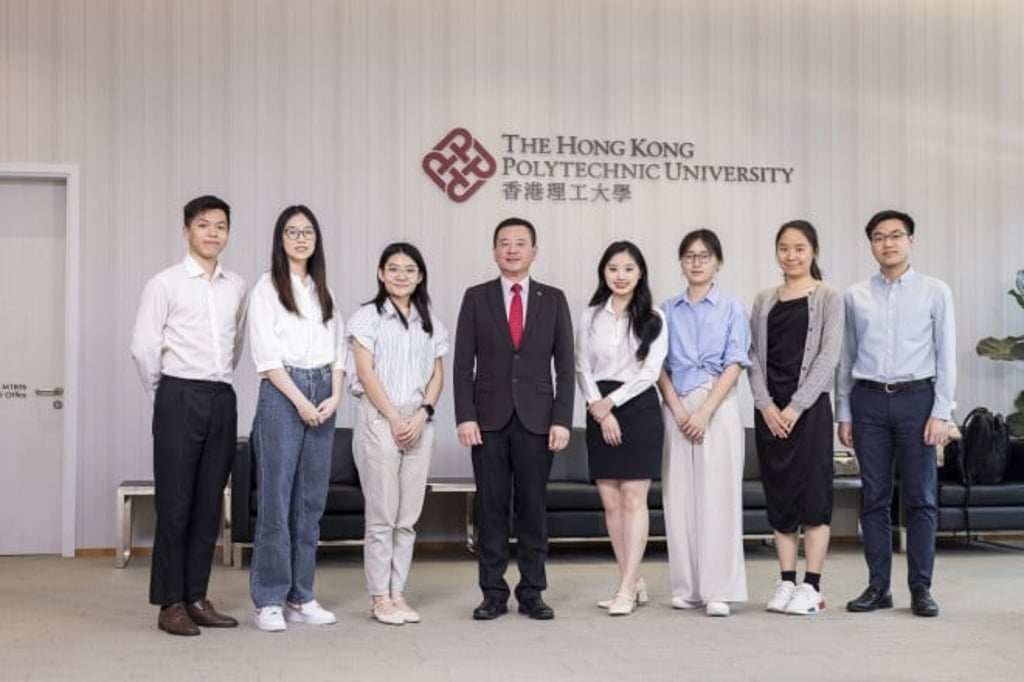
“Our strategy focuses on students’ holistic development,” says Professor Ben Young, Vice President (Student and Global Affairs) at PolyU. “Through initiatives that empower, engage, and foster integration, we aim to build a university community where every member thrives with a strong sense of belonging and pride.”
Advertisement
This overarching approach aligns with PolyU’s motto, “To learn and to apply, for the benefit of mankind,” and its vision to “nurture critical thinkers, effective communicators, innovative problem solvers, and socially responsible global citizens,” Professor Young notes.
Empowering ethical leaders through experiential learning
.jpg?itok=YX3xOS7X "EAGLE students collaborated with local students in Nepal on eco-friendly projects, enhancing sustainability and leadership skills.")
“We empower students to lead with integrity through real-world application,” says Professor Young. “This platform enables them to grasp social innovation, design thinking, and co-creation, while fostering an understanding of local needs.” Upon completing their projects, students engage in structured reflections, deepening personal growth and leadership capabilities.
Advertisement
For many participants, the 10-day immersion in Nepal was pivotal. “Initially, the unfamiliar environment and language barrier were stressful, testing our mental resilience,” says Paco Tsoi Pok Kong. “By overcoming obstacles, we first learned to manage ourselves, then supported others in addressing their struggles. This process empowered both us and our peers.”
Beyond personal growth, students sharpened their intercultural competence as they collaborated with Nepali peers to tackle local challenges. “To align with UN SDGs, we learned to be resourceful, even constructing planters with recycled bricks for the School Garden,” says Jacky Law Chun Kit.
Leadership in a multicultural setting requires reaching consensus, Law explains. “This project taught me different ways to persuade others while ensuring outcomes were widely accepted, all while incorporating minority viewpoints,” notes Law, a recipient of the Outstanding Service Awards for Tertiary Students upon completing EAGLE the Adventurers 2023/24.
Advertisement
Driving impact in Chinese Mainland
“Beyond campus, PolyU inspires students to tackle societal challenges through hands-on initiatives while forging partnerships with external stakeholders,” says Professor Young.
During the summer of 2024, more than 80 PolyU students participated in the “Yunnan Wenshan Service-Learning Programme,” collaborating with Yunnan University to address local needs. In Malipo County, students launched “Technology Beyond Borders,” using virtual reality to enhance digital awareness among elderly care home residents and developing an AI-driven stretching exercise guide. Meanwhile, “Financial Literacy for Low-Income Communities” empowered teenagers in impoverished areas with financial planning skills, and “Appreciating Chinese Literary Masterpieces” instilled cultural pride in primary school students from ethnic minority backgrounds.
Advertisement
Rachel Yu Xiaozhou, a project participant, found the experience meaningful. “We built trust with the elderly and helped ease their anxiety around digital technology,” she says. Yunnan University students also contributed by recording how the participating senior citizens responded to innovations and offered constructive feedback for the final products, Yu adds.
For many Wenshan teenagers – whose parents spend most of their time working outside the county – secondary school is their last step before entering the urban workforce. Therefore, equipping them with basic financial literacy is key. “Initially, students spent their pocket money on snacks and games after class,” recalls Liu Ying Wai. “We encouraged them to track their spending and savings while introducing them to the income potential of different professions. Towards the end of the course, many students stayed in the classroom discussing their futures, rather than spending money on treats.”
The programme also immersed PolyU students in rich cultural experiences, including visits to the China-Vietnam border and a museum of ethnic minority arts, crafts, and music.
Advertisement
Project participant Huang Bairong echoes these sentiments. “Leading discussions with ethnic minority schoolchildren on topics like traditional Chinese architecture and jade ornaments was eye-opening,” she says. “We also saw local wisdom in action—Zhuang villagers demonstrated their crop-growing methods and weaving techniques.”
Cultivating global connectivity on campus
PolyU’s Chinese Mainland and global engagement extends beyond experiential learning to cultural integration. “We firmly believe our diverse student body is one of our greatest assets, and building an inclusive academic community is central to delivering a holistic education,” says Professor Young.
Advertisement
The PolyU Connect Programme unites students from 22 countries through immersive events such as the “Legend of Dragons,” which drew 1,500 attendees for a celebration of Chinese culture, and the “Exploring Hong Kong Series,” which fostered friendships through shared adventures. Interhall sports competitions and High Table Dinners further bridge cultural divides, with student participation spanning 35.8 percent local, 49.5 percent non-local, and 14.7 percent international students.
“In the first half of 2024, we successfully integrated over 4,000 students – whether junior, senior, local, non-local, or exchange students,” says Professor Young.
For Galie Lo Wai Lam, pandemic restrictions limited her early undergraduate experience, leaving her eager to enrich her campus life. PolyU Connect exceeded her expectations, offering opportunities to explore Hong Kong’s scenic spots alongside international students. “It’s really fun when students from different backgrounds share their perspectives on things that are familiar to Hongkongers like me,” she says.
Advertisement
Shared appreciation for local cuisine has also forged strong connections. “Feasting on poon choi (a traditional Hakka festive meal with multiple layers of delicacies) was a highlight,” says Angel Carollyne, an Indonesian student. “Experiences like this make Hong Kong feel like a home away from home.”
Globalised learning environment
To foster an international learning environment, both local and non-local learning opportunities are equally vital. PolyU is committed to making non-local learning a core pedagogical strategy, aiming to provide every undergraduate with at least one non-local learning experience by the 2027/28 academic year. Meanwhile, PolyU also offers financial support such as Non-Local Study Fund and Exchange Scholarship to eligible students to ensure accessibility, according to Professor Young.
Advertisement
Advertisement
Search
RECENT PRESS RELEASES
Related Post