Understand the scope of environmental injustice on Earth Day
April 22, 2026
By Makenna Morrison Gary
April 22, 1970, was the birth of the modern environmental movement we call Earth Day. Yet few are aware that Rachel Carson was instrumental in setting the stage for the movement and the day.
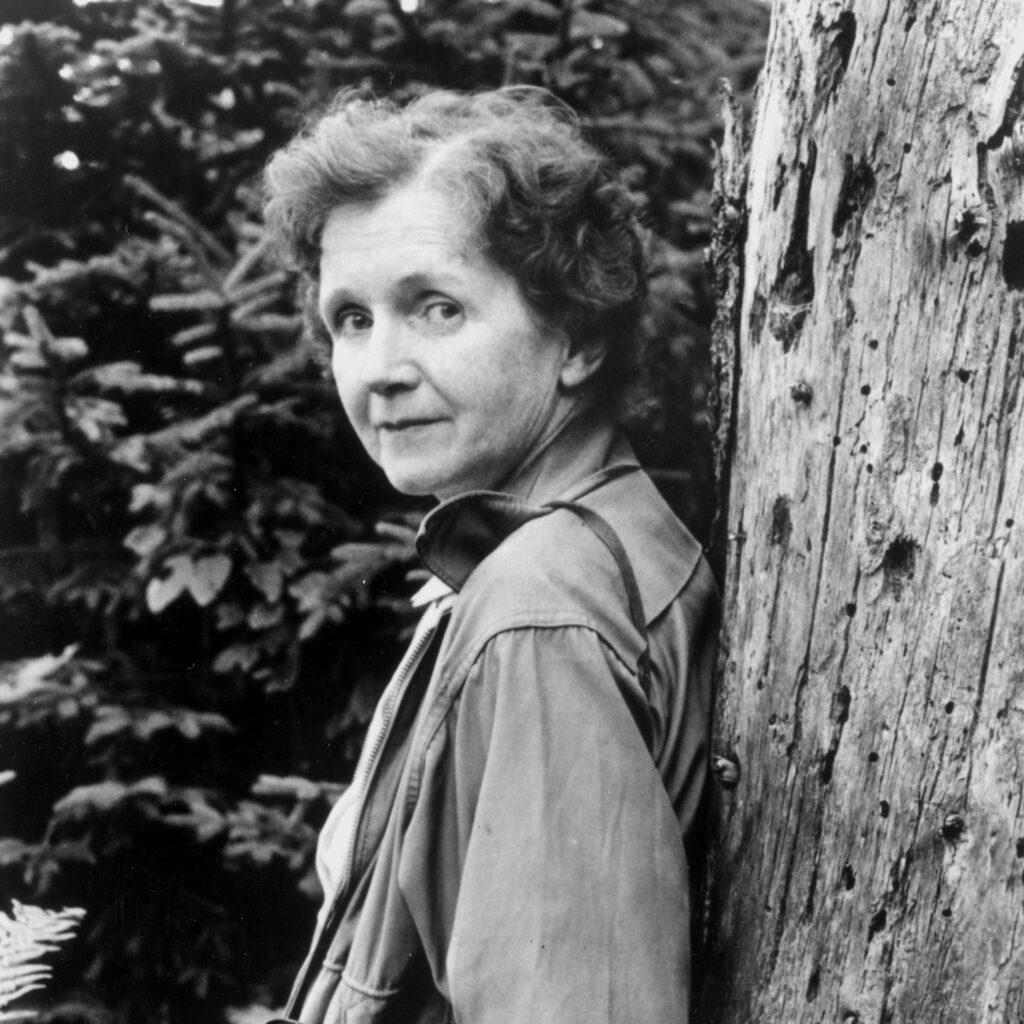
In 1962, Carson’s New York Times bestseller “Silent Spring” represented a breaking point in raising public awareness and concern for the environment and public health. The book raised issues about conservation and the environmental problems caused by synthetic pesticides. This eventually led to the banning of DDT and other pesticides, to increased regulations and to the creation of the Environmental Protection Agency.
I first learned about the human toll of pesticide exposure in Apopka during my first year at Rollins College, through an immigration rights immersion program where I stayed with a host family of farmworkers. As someone who grew up in Washington state, I was aware of the ecological impact of toxins like PCBs, but it wasn’t until I experienced heavy metal poisoning (my mercury levels were in the 99th percentile) in high school that I truly felt the human side of environmental harm.
Three years later, just miles from my college campus in Florida, I saw firsthand the severity of environmental and labor injustices I had never encountered before. Hearing my host family’s stories of grueling work, inadequate health protections and fear of seeking medical care due to immigration status left a lasting impact on me. It was the first time I fully grasped how environmental injustice is intertwined with immigration policy, racial inequality, and public health.
These two experiences were more than moments of awareness; they sparked my dedication to studying contamination and toxins and continue to drive both my academic focus and my personal commitment to environmental justice.
It is a full circle that I was selected as a National Environmental Leadership Fellow for the Rachel Carson Council (RCC), an organization created after her passing. In March, I joined the RCC at the 2026 Advocacy Day in Washington, D.C., where college students from across the U.S. lobbied for change. I was privileged to lead a group supporting multiple issues aligned with the RCC’s values, including opposing weakening pesticide regulations.
Recently, the House released its draft of the 2026 farm bill. There is an entire “Regulatory Reform” section (Subtitle C) devoted to weakening pesticide labeling standards, preempting state-level pesticide regulations and protecting companies from lawsuits when American workers are harmed by their product.
When speaking with the chief of staff for a House representative in Washington, I heard a comment about the farm fill that shocked me: “A main concern within the House is that this enables more claims in a time of pseudoscience.” After experiencing very little protection for farmworkers, especially in Florida, where extra heat and humidity make conditions even worse, they want to take away even more protection, and the first hesitancy I hear on pushing back on this strip of rights is because of “pseudoscience” worries?
This would shield pesticide companies from lawsuits even more. Oddly enough, when Rachel Carson first advocated against the chemical industry, the companies and government officials accused her of being a “hysterical” woman, stating that her claims were not backed by science.
Now more than ever, we need to confront long-standing environmental harms that disproportionately affect marginalized communities. Despite decades of advocacy, support for these communities has been systematically denied, even as studies show undeniable facts. For instance, pesticide exposure in the U.S. can be up to five times higher for people of color. These disparities are not accidental; they result from policy failures that demand urgent attention and action.
In honor of Earth Day and Rachel Carson’s legacy, I urge you to engage in action in whatever ways you can. Whether it is through civic action like urging Congress to reject this industry-friendly “poison pill” known as Subtitle C of the Farm Bill or simply conversing with your family and friends about what it might be like to work on a farm in Central Florida, exposed to pesticides and heat every day with limited protections.
Protecting the environment also means protecting the people most at risk of environmental harm. Rachel Carson understood this decades ago.
Makenna Morrison Gary is a senior at Rollins College, double-majoring in biology and environmental studies. This opinion piece was originally published by the Orlando Sentinel, which is a media partner of The Invading Sea. Banner photo: A farmworker working in the sun (iStock image).
Sign up for The Invading Sea newsletter by visiting here. To support The Invading Sea, click here to make a donation. If you are interested in submitting an opinion piece to The Invading Sea, email Editor Nathan Crabbe.
Tags: Earth Dayenvironmental justicefarm billfarmworkerspesticidesRachel CarsonRachel Carson CouncilSilent SpringU.S. Congress
Search
RECENT PRESS RELEASES
Related Post