- U.S. cannabis cultivation consumes more electricity than the cryptocurrency mining sector or all other crops combined. It’s raising concerns about the industry’s environmental impacts. Indoor cultivation, which accounts for two-thirds of production, contributes significantly to greenhouse gas emissions, equivalent to that of 10 million cars.
- Experts suggest shifting cannabis cultivation outdoors could cut emissions by about 75%. However, growers face challenges like unpredictable weather and lower profitability.
- To avoid pollution from marijuana’s power demands, businesses are adopting energy-efficient technologies, while cities like Boulder, San Francisco, Boston and Portland are introducing regulations to promote sustainability.
Full Story
The cannabis cultivation industry in the United States requires a significant amount of the nation’s electricity. Recent research suggests that marijuana production uses more power than the cryptocurrency mining sector or all other crops combined, an energy demand that can create large amounts of pollution.
What is the environmental impact of marijuana’s energy needs?
Evan Mills, a senior scientist at the Lawrence Berkeley National Laboratory, found that American cannabis production contributes greatly to greenhouse gas emissions—comparable to the annual output of 10 million cars.
This is largely because approximately two-thirds of U.S. cannabis is grown indoors, using artificial lighting, climate control and irrigation systems, all of which draw a lot of power. For a daily user of indoor-grown cannabis, the carbon footprint of their consumption can be nearly half that of their entire household energy use.
How can cannabis growers stop these emissions?
Experts believe that moving production outdoors could reduce the industry’s emissions by about three-quarters. However, transitioning to outdoor production presents challenges, including unpredictable weather and pest control, which growers say can impact product quality. Additionally, indoor cannabis can be up to ten times more profitable than its outdoor counterpart.
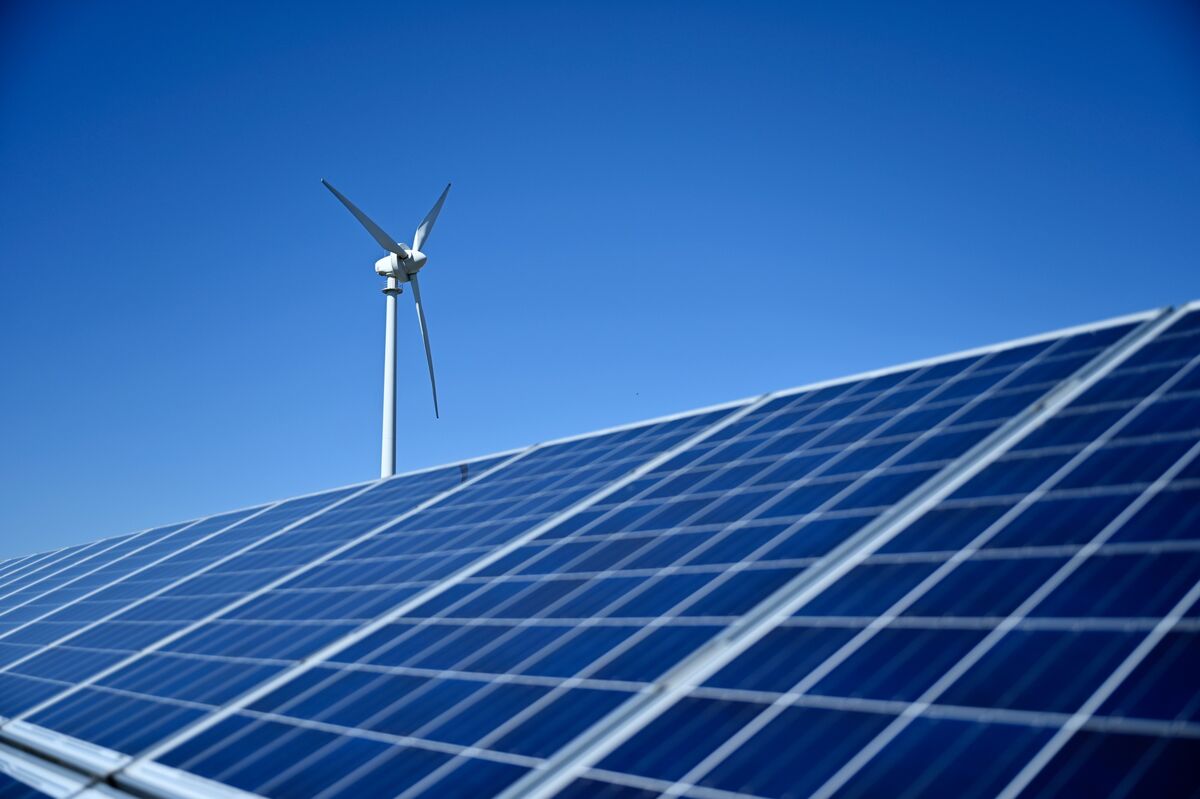
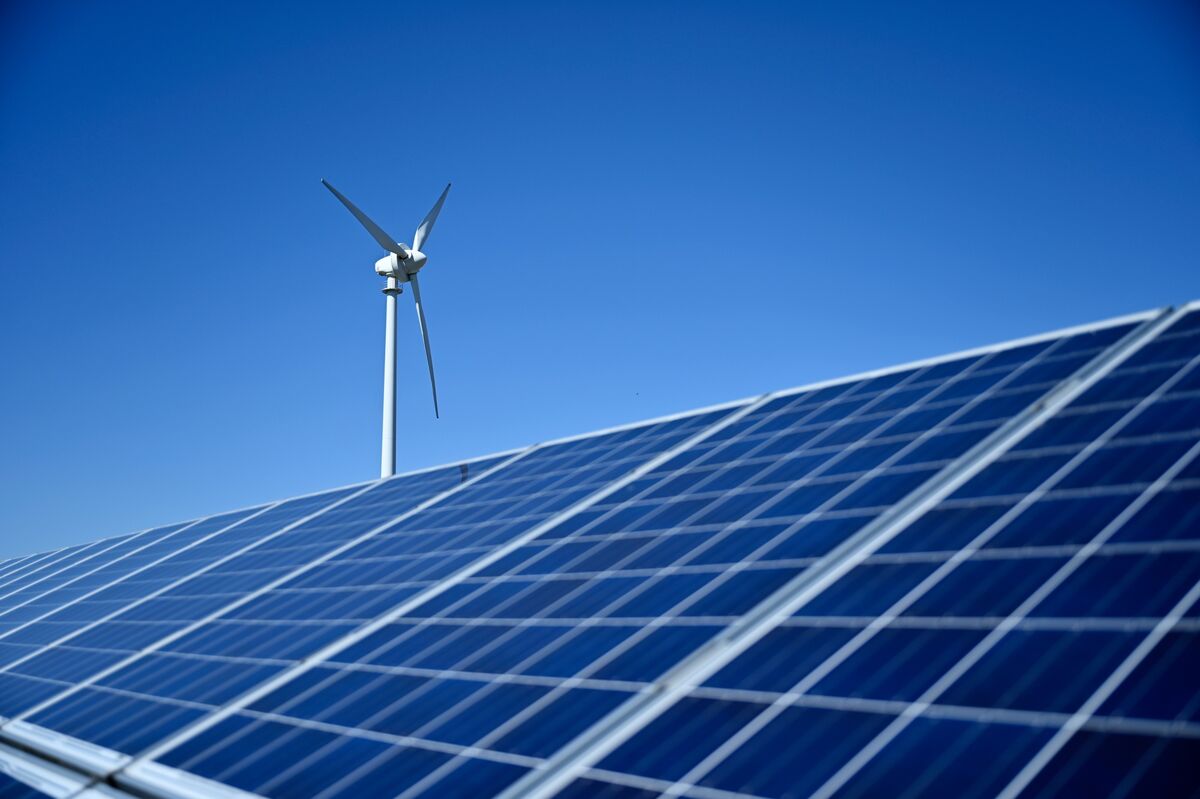
To address environmental concerns while keeping production quality and profitability, many marijuana businesses are investing in energy-efficient technologies. This includes upgrading to LED lighting, improving energy management, and sourcing renewable energy to reduce their carbon footprint.
What happens next?
Local governments are also taking action. In Boulder, Colorado, officials have imposed a power surcharge on cannabis growers to fund sustainability initiatives. They include providing energy efficiency consultants and electrical monitoring equipment for cultivation facilities. Other cities, including Denver, Portland, Boston and San Francisco, have also enacted regulations aimed at reducing cannabis-related emissions and increasing long-term sustainability within the industry.