Virtual Power Plants Are Key to Unlocking America’s Energy Transition
March 7, 2026
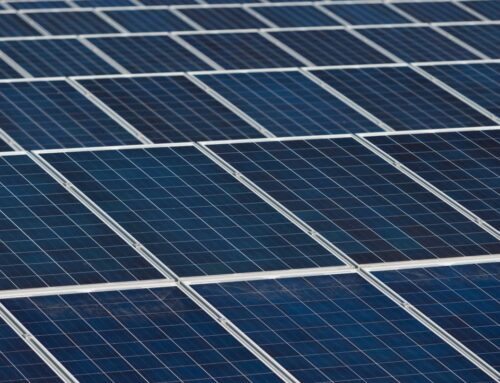
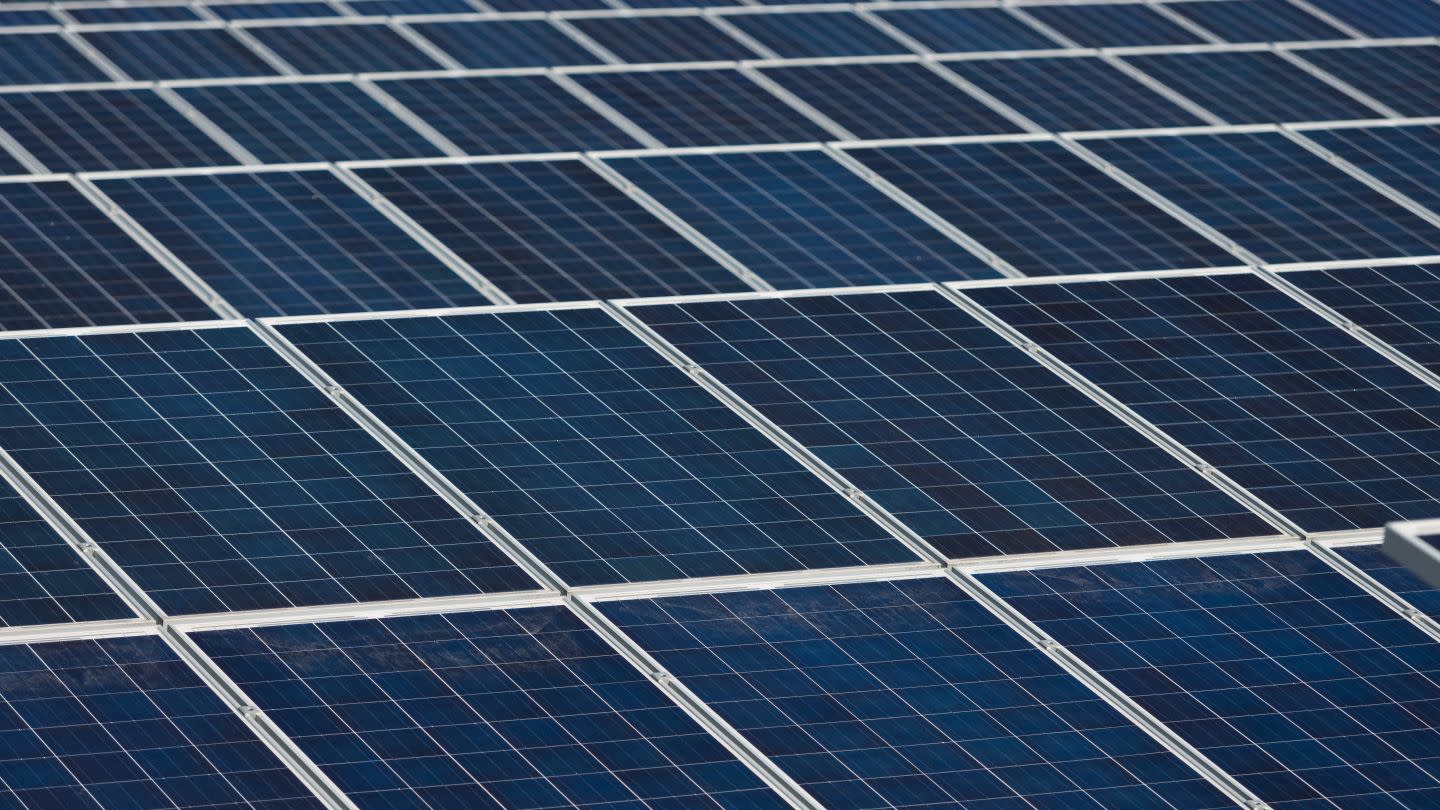
Interest in Virtual Power Plants (VPPs) is increasing across the United States. A VPP relies on the combined power of various renewable energy projects, such as home or small-scale solar and wind power projects. Solar panels and home batteries have significantly increased in popularity in recent years, as people look to drive down energy bills, as well as switch to green energy.
VPPs are networks of small energy-producing or storage devices, which, together, provide power to the electricity grid. Utilities are increasingly partnering with local energy producers to develop VPPs as an alternative to relying on fossil fuels when electricity demand peaks. With their consent, utilities can draw energy from home or small-scale renewable energy projects for use during times of high demand, or power can be reserved for later use.
VPPs are still in the nascent stage of development, but they are slowly gaining traction across the United States, particularly following the introduction of the most far-reaching climate policy to date, the 2022 Inflation Reduction Act (IRA), under former President Joe Biden. The IRA incentivised the rollout of various renewable energy projects as well as the uptake of electric vehicles, leading the U.S. to adopt a broader energy mix at a more accelerated pace.
The director of the Loan Programs Office at the U.S. Department of Energy, Jigar Shah, stated that “We can use our existing assets more efficiently as opposed to raising rates for all electricity users by doing things less efficiently.” Shah added that “Virtual power plants are at the centre of that.”
Exploring alternative power options is particularly important right now, as utilities countrywide struggle to find the funds and energy sources required to expand the grid. Constructing conventional power plants is extremely costly, as is maintaining poles, wires, transformers, and substations. Meanwhile, gas turbine manufacturers are backlogged through 2030, and the cost of gas power plants has increased significantly in recent years.
Related: Trump’s Secret Weapon in the Rare Earth War
In addition, there is a significant backlog in connecting new wind and solar projects to the grid. Meanwhile, the rapid rollout of data centres, needed to power artificial intelligence, has further exposed the limitations of the existing grid.
The energy transition non-profit organisation RMI estimates that VPPs could decrease U.S. peak demand by 60 GW by 2030, by shifting consumption to other times of the day and supplanting centralised electricity production. That is equivalent to the electricity usage of around 50 million homes.
Some U.S. solar power companies have already embraced VPPs, with Sunrun Inc and SunPower Corp both pooling some of their customers’ systems into VPPs in California, Hawaii, and New England.
By 2025, 34 U.S. states had programmes that encourage utilities to use smart thermostats and water heaters, batteries and EV chargers, and energy management systems at businesses and factories to tackle rising electricity rates. This year, VPPs are expected to grow significantly, with 12 states considering legislation for VPP expansion, including Michigan, Minnesota, New Jersey, and Pennsylvania.
New Orleans is shifting focus to VPP expansion, with the city council ordering local utility Entergy New Orleans to design a $28 million battery incentive programme by March 1, for homes, businesses, and nonprofits in December. The scheme will be funded by a settlement Entergy reached with the council over issues at one of its nuclear power plants.
The city sits below sea level and is vulnerable to power loss during extreme weather events, such as hurricanes. The local government is now encouraging residents to use backup batteries to mitigate the risk of outages. The programme is expected to launch later this year and could support the rollout of batteries at around 1,500 homes and 150 community institutions, to provide backup power or inject into the grid during peak usage times.
Related: The U.S. Just Took a Giant Step in The Rare Earth Race With China
Meanwhile, in Boulder, Colorado, a VPP project, which was aimed at boosting the city’s energy efficiency and reliability, has been put on hold following the cut of a federal grant supporting the project. The Department of Energy announced $12.7 million in funding for the Xcel Energy project in 2024, to help the city achieve net-zero emissions by 2035. However, the grant was reportedly cancelled in October 2025, before work on the project could commence, as part of the broader Trump administration’s renewable energy rollbacks.
Boulder had been selected for a VPP pilot programme in part because of its concentration of federal research labs. “Xcel hasn’t made a commitment, one way or the other, but losing $12.7 million certainly reduces their ability to move forward with it at this point in time,” stated the city’s senior sustainability manager, Carolyn Elam.
Virtual Power Plants are expected to play a major role in the delivery of reliable, clean energy across the United States in the coming years. The use of VPPs could help reduce reliance on an overstrained grid or a greater dependence on fossil fuels. However, President Trump’s attack on renewable energy could slow the pace of this rollout.
By Felicity Bradstock for Oilprice.com
More Top Reads From Oilprice.com
- Venezuela’s Gas Potential Could Overshadow Its Famous Oil Reserves
- Falling Energy Per Capita Is the World’s Biggest Problem
- U.S. Brokers Major Gold Deal With Venezuela’s State Mining Company
Search
RECENT PRESS RELEASES
Related Post