Wall Street’s ‘fear gauge’ leaps. What’s weighing hard on the stock market?
June 8, 2026
Stock market investors could be facing a specter they haven’t had to navigate since early April, when the bull market in tech caught fire and powered domestic indices out of their early year torpor and tensions between Washington and Tehran simmered into a fragile truce effort.
The VIX, the market’s benchmark volatility index, surged past 20 in the premarket session Monday, rising more than 30% from late Thursday to the highest levels since April 8.
The current pricing suggests daily swings of around 1.25%, or 93 points, for the S&P 500 and follows the sharp pullback Friday that saw the benchmark tumble 200 points, or 2.6%, for the biggest single-day decline since last October.
The two-day surge in volatility follows a series of events that have tested the strength of the current tech market wave, pushed the Federal Reserve into a challenging position of moving toward rate hikes while defying President Donald Trump’s public call for easier policy, and unsettled investors hoping for an extended cease-fire agreement between the U.S. and Iran.
Chief among those, of course, was the jobs data for May, which showed new hires of 172,000 and the strongest three-month run of gains since early 2024.
That lifted short-term Treasury bond yields to the highest levels of the year and reset Fed rate expectations sharply, with traders now pricing in hefty chances of a hike between now and December.
“At the same time, growing expectations of Fed tightening have caught an investor base overweight equities and overweight emerging markets,” said ING’s Chris Turner, the bank’s global head of markets.
“Investors might be selling off benchmark tech names to clear room in portfolios for Friday’s $75 billion SpaceX IPO,” he added. “There could also be an issue of indigestion here as well, given that Alphabet recently tapped the equity market for $85 billion, and OpenAI and Anthropic also plan to IPO in the coming months.”
The combination of rising Treasury yields, accelerating bets on a Fed rate hike, the overnight surge in global crude prices tied to escalating tensions in the Gulf, and the looming SpaceX listing on Friday have been weighing hard on a market that has enjoyed an astonishing run of gains over the past two months.
The tech-focused Nasdaq Composite has risen more than 13.5% since April 8, even with Friday’s 4.2% decline, while the PHLX semiconductor index has gained nearly 44%, even factoring in Friday’s single-day correction of more than 10.2%.
But with a host of issues ahead this week, including inflation data, the first Fed meeting under new Chairman Kevin Warsh, and SpaceX’s expected debut Friday, markets are both cautiously optimistic and primed for near-term volatility.
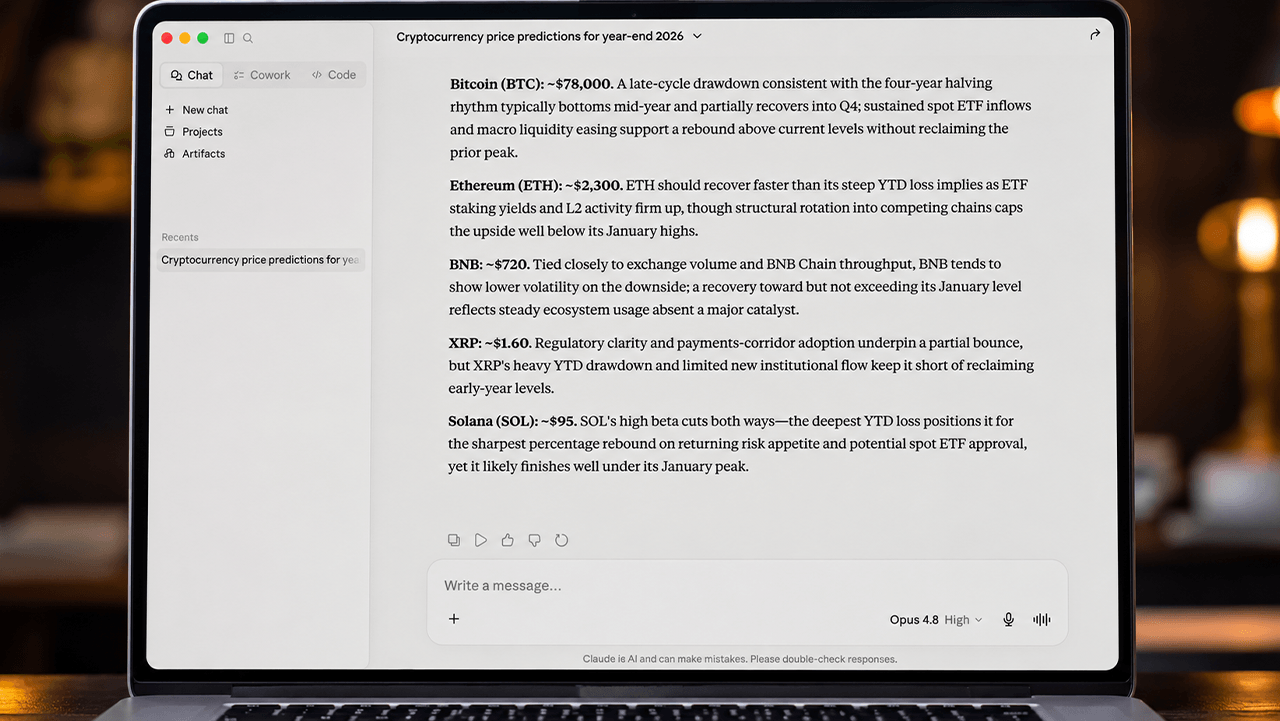
The 20% decline in Bitcoin prices over the past month, including last week’s dip below $60,000 dollar, also suggests markets might be running low on risk appetite heading into the summer months.
Others, however, see the next few weeks as transitional, but still hold that markets are primed for more second-half gains. Stock futures pointed to a modest comeback for Wall Street on Monday.
“We would not be surprised to see markets trade sideways and be range-bound in the near term,” said Carol Schleif, chief market strategist, BMO Wealth Management.
“There is still anxiety out there fueled by the continual flow of negative headlines on the Middle East, tariffs, and contentious politics, which all add to the psychological unrest,” she added. “Oddly enough, this skepticism coupled with strong fundamentals and powerful secular trends is the combination of factors that can allow the markets to continue to climb the wall of worry higher.”
Write to Martin Baccardax at martin.baccardax@barrons.com
Search
RECENT PRESS RELEASES
Related Post