WattEV orders 370 Tesla Semis in largest California EV truck deployment
May 5, 2026
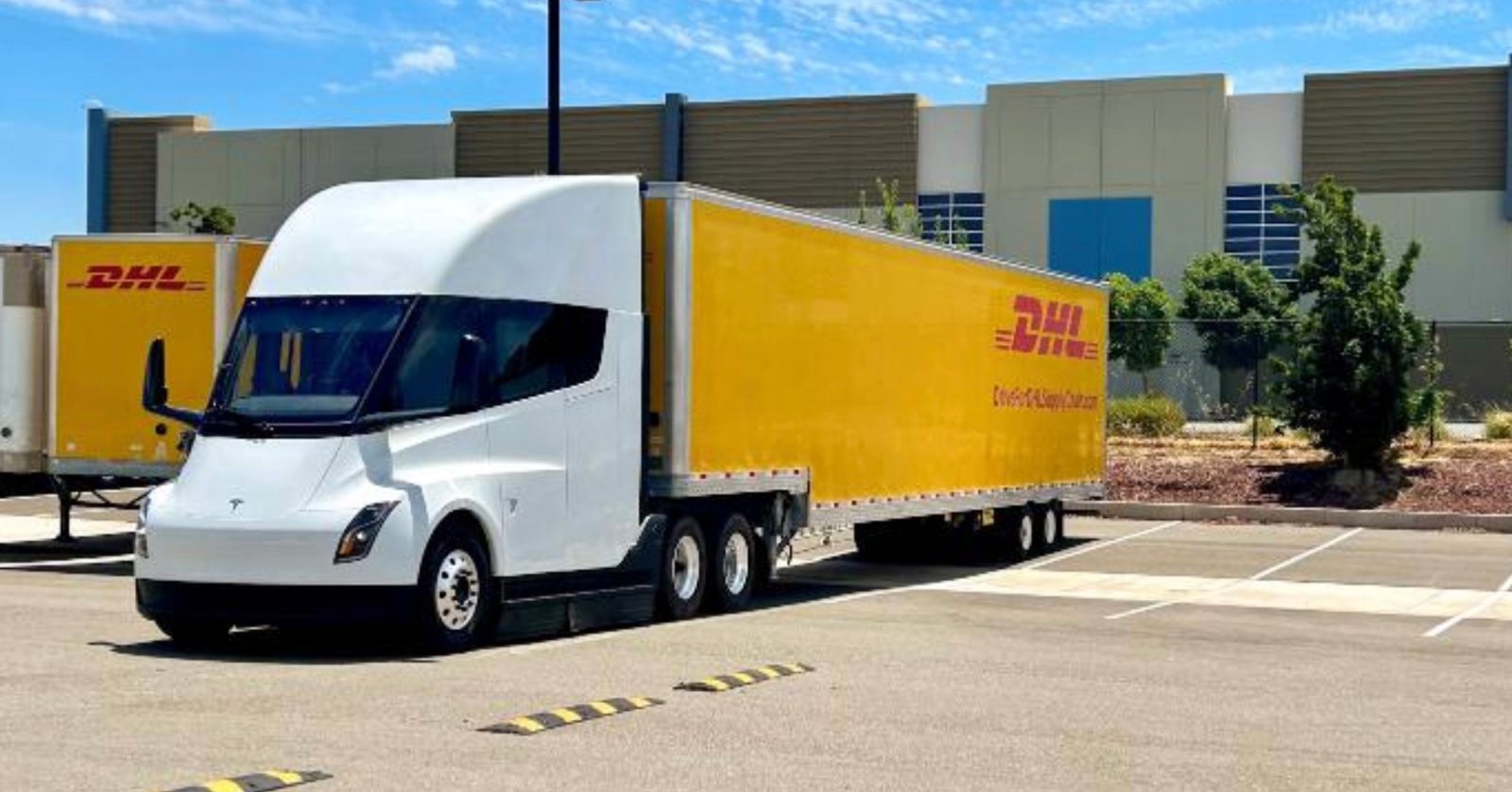
WattEV announced an order for 370 Tesla Semi Class 8 electric trucks, making it the largest single electric truck deployment in California. More than 300 of the trucks will be deployed under a joint program with the Port of Oakland.
The order comes just days after the first Tesla Semi rolled off the high-volume production line at the new dedicated factory adjacent to Gigafactory Nevada, marking a significant early win for Tesla’s commercial truck ambitions.
WattEV is no stranger to electric trucking. The company was one of Nikola’s biggest commercial customers, taking delivery of 14 Nikola Tre BEV trucks in May 2023 and purchasing an additional 22 units later that year — totaling at least 36 Nikola electric trucks in its fleet.
That bet didn’t age well. Nikola filed for Chapter 11 bankruptcy in February 2025 and was down to a single employee by December 2025. The company’s remaining hydrogen truck assets were acquired by Hyroad Energy in a bankruptcy auction.
Advertisement – scroll for more content
Now, WattEV is going all-in on Tesla. CEO Salim Youssefzadeh said the company selected the Tesla Semi after issuing a public request for proposals, choosing it based on cost, performance, and availability. He made the announcement at the ACT Expo trade show in Las Vegas.
Delivery of the first 50 Tesla Semis is scheduled to start in 2026, with the full fleet operational by the end of 2027. The deployment coincides with WattEV opening new truck-charging stations at the Port of Oakland and in Fresno, both equipped with Tesla’s Megawatt Charging System (MCS) chargers capable of providing 300 miles of range in approximately 30 minutes.
Additional depots are planned for Stockton this year, with Sacramento breaking ground in 2026.
These Northern and Central California stations extend WattEV’s existing network of six operational depots in Southern California — at the Port of Long Beach, San Bernardino, Gardena, Bakersfield (solar-powered), Vernon, and Oxnard. The San Bernardino hub recently expanded to support 200 electric semi truck charging cycles per day with over 11 MW of capacity. WattEV has 15 additional sites under active development and is targeting nationwide expansion.
WattEV operates a Truck-as-a-Service (TaaS) model, combining vehicle deployment, megawatt-class charging infrastructure, and full-service leasing to give carriers a turn-key path to electrification without capital risk.
The economics are central to WattEV’s pitch. In 2025, the company’s 75-truck fleet surpassed 7 million freight miles since inception across Southern California’s drayage and middle-mile sectors. Youssefzadeh said the company’s electrified freight solutions already deliver goods at better economics than diesel, and the case only strengthens as energy costs diverge.
That tracks with recent analysis showing the Tesla Semi can save over $400,000 versus diesel over its lifetime — though electricity pricing remains a critical variable.
At $290,000 for the 500-mile version, the Tesla Semi undercuts every other Class 8 BEV on the market. Tesla has also revealed Megacharger pricing at $188,000 per unit, giving fleet operators clarity on the full cost stack for the first time.
This is a big deal for Tesla’s Semi program. A 370-unit order from a single operator is the kind of commercial validation that signals the electric truck market is moving beyond pilot programs and into real-scale deployment.
What makes this particularly notable is WattEV’s history. This is a company that went heavy on Nikola trucks — at least 36 Nikola Tre BEVs — and watched that investment lose its support structure when Nikola collapsed into bankruptcy. WattEV operated those trucks, learned from the experience, and chose Tesla through a competitive RFP process. That’s a meaningful endorsement.
WattEV’s vertically integrated approach — owning the trucks, the charging depots, and the logistics platform — is probably the right model for scaling electric freight. Individual fleet operators face too many chicken-and-egg problems with charging infrastructure. WattEV eliminates that by building the full stack.
The Port of Oakland partnership deploying 300+ Semis is especially significant. Port drayage is where electric trucks make the most economic and environmental sense — short-to-medium haul routes with predictable patterns and depot-based charging. If WattEV can prove the model there, the path to their nationwide expansion goal becomes much clearer.
We expect more large orders to follow as Tesla ramps Semi production at its new factory.


Search
RECENT PRESS RELEASES
Related Post