What to know when the ban on most US hemp products goes into effect
December 3, 2025
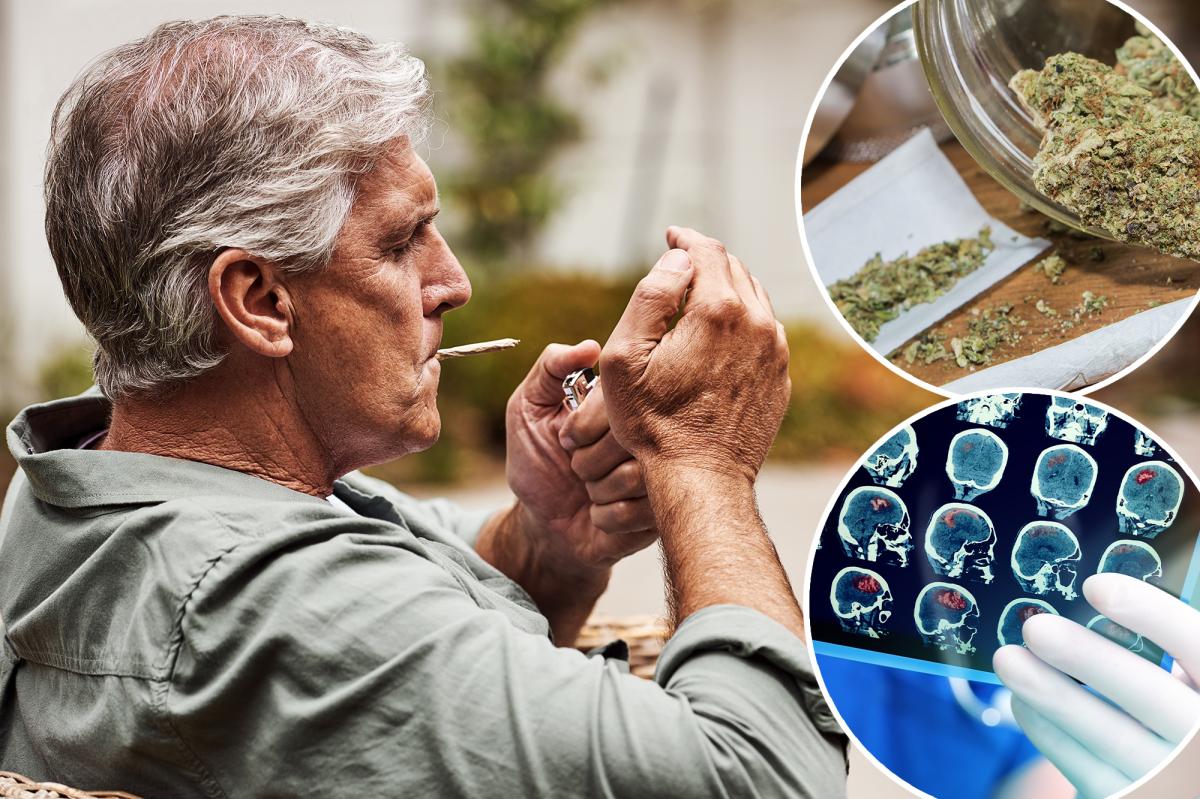
Congress voted to ban most hemp-derived products last month in a last-minute addition to the spending bill that ended the government shutdown. The ban, set to be enforced in November 2026, will change the pricing, availability and composition of some of the most popular hemp derived products on the market, like CBD tinctures and balms and THC drinks.
Here’s what you need to know.
Will I still be able to buy some hemp derived products?
It depends on what state you live in. Jonathan Miller, general counsel for US Hemp Roundtable, says that states that have passed laws to allow regulated, legal hemp, the market will likely continue to operate similarly to state level recreational and medical cannabis markets.
“States have got marijuana programs that are federally illegal and they still sell products. So that will continue,” he said.
As the law stands now, hemp is defined as any product derived from plants containing less than .3% delta 9 THC, while recreational and medical cannabis products that are exclusively available in state licensed dispensaries can contain any amount of delta 9 THC. If the ban goes into effect as written, legal hemp products will be redefined so that they can contain only .4 mg of any kind of THC per package – a trace amount that is found in most hemp derived products, including those whose main component is CBD.
For states that have passed their own hemp regulations, like Minnesota, Kentucky and Louisiana, Maine, Pennsylvania, Indiana, Iowa, New Mexico, Tennessee, New York and Illinois, Miller believes those markets will continue to exist but in a much more limited form.
“The problem is there’ll be no more interstate commerce,” Miller said, meaning it’ll no longer be possible to ship hemp products from one state to another, and online sales will be much more restricted.
What will happen to prices?
Products sold in state-legal cannabis dispensaries tend to have much higher price tags than retailers of legal hemp-derived products, because they are subject to more regulations. When the federal hemp ban goes into effect, retailers of hemp products will see their product become more expensive in state-legal markets because they will also be subject to some of those same restrictions.
The most draconian comes from section 280-E of the tax code, which makes it illegal for businesses to deduct expenses related to illicit substances. If hemp products are subject to 280-E, producers will be forced to pay more in taxes and pass those prices onto the consumer.
Since hemp markets will also have to shrink to the state level, the cost to manufacture each product will likely also go up.
“There’s economies of scale. If you’re only able to sell within that state, it becomes a lot more expensive for the individual product,” Miller said.
In states where there is no legal hemp framework, hemp companies might have no choice but to try to get their products into state legal cannabis dispensaries. Josh Kesselman, CEO of Raw, which sells rolling papers made from hemp, said the price of CBD products specifically will rise astronomically. He compares the ban to the current situation in Canada, where he now lives.
“It’s incredibly expensive and difficult for me to get a CBD balm because the Canadian government considers it to be a cannabis product, and therefore you have to buy it from a licensed dispensary,” Kesselman said.
The same thing could happen in the US, where he predicts CBD products that now cost $10 would sell for around $80 in a licensed dispensary. “So your access goes down,” he added.
What will happen to THC Drinks?
THC drinks have soared in popularity in recent years, and may be under the biggest threat if the hemp ban goes through. Major alcohol distributors are responsible for getting THC drinks into liquor stores and without the profit that comes with interstate commerce, “there’s a lot of concern that a lot of distributors would just simply drop the products,” Miller said.
This change will come at a time when THC drinks are just getting established as a beverage category. For example, Nielsen recently added a THC seltzer category to their ranking system.
“It was really exciting when Nielsen entered the category, because it legitimized us in the grocery space,” said David Reich, CEO of Crescent Canna, which Nielsen ranked number one in THC seltzer sales. “In 12 months, if nothing changes, unless we become a different kind of company, we won’t exist.”
If alcohol distributors stop carrying THC products, they might also lose some of their safety and consistency. While federal and state regulators don’t always manage to stop contaminants and other problems in products, Reich said “distributors have extremely high standards. They’re not going to jeopardize their businesses, to release less than the highest quality products to their partners.”
What will happen to CBD products?
If small amounts of THC are no longer allowed in CBD products, it will drastically change their effectiveness, says Kesselman.
“The only one that really works are the full spectrum CBD balms,” Kesselman. “Full spectrum” means that rather than just containing CBD isolate, they include THC and other cannabinoids and terpenes from the raw plant. Studies have shown that CBD is more effective in tandem with these other components, a phenomenon known as the “entourage effect”.
If the ban does go through, there are ways to adapt. Other plants also contain terpenes that could enhance the effect with CBD.
“We’ll use mango terpenes, all these things we’ll try,” he said. “Everyone will do everything we can, but it won’t be the same as just having a natural plant.”
Jasmine Johnson, CEO of the hemp company GŪD Essence, was more optimistic about the possibilities that other plants offer.
“Many of the effects consumers love are not solely tied to cannabinoids – they’re tied to terpene expression,” Johnson said.
“Plants like lavender, chamomile, lemon balm, kanna, holy basil, cacao, and even certain mushroom blends offer functional support for calm, focus and mood. We’re already researching these pathways through our formulation team and academic partners.”
Search
RECENT PRESS RELEASES
Related Post