What Trump’s plans for the Arctic mean for the global climate crisis
February 6, 2026
This week, the Trump administration took a key step towards opening new leases for oil and gas drilling across millions of acres in the Arctic National Wildlife Refuge – a pristine and biodiverse expanse in northern Alaska and one of the last wildlands in the US still left untouched.
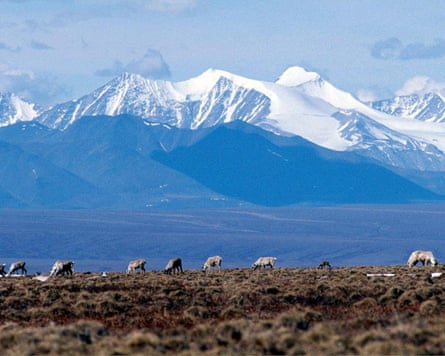
With a call for nominations officially issued on Tuesday, the US Bureau of Land Management began evaluating plots across the 1.5 million-acre Coastal Plain at the heart of the refuge – an area often referred to as the American Serengeti, thanks to its rich tundra ecosystems, which provide habitat for close to 200 species and serve as the traditional homelands of the Iñupiat and Gwichʼin peoples.
The move is the latest in a set of sweeping policy shifts undertaken across the Arctic region since Trump took office. Using energy independence and national security as a rallying cry, the president has struck down conservation efforts, squashed climate science research, and undermined American allies with an unrelenting push to acquire Greenland.
More on what Trump’s actions could mean for the region’s wildlife and ecosystems, and for the wider climate crisis, after this week’s most important reads.
Essential reads
-
Flawed economic models mean climate crisis could crash global economy, experts warn
-
Fossil fuel firms may have to pay for climate damage under proposed UN tax
-
The lithium boom: could a disused quarry bring riches to Cornwall?
In focus
Tensions have cooled somewhat since Trump backed down from vows that he would take Greenland by any means necessary. But the threat still lingers, and the actions the US is planning to take on its home soil offer a worrying glimpse into how it might manage more territory in the Arctic region.
One of Trump’s first acts after being inaugurated last year was to sign an executive order dedicated to Alaska and developing its “resources to the fullest extent possible”. In the year since, he has advanced construction of a 211-mile mining road, blocked by the previous US president, Joe Biden, that will facilitate mineral mining, started the process for the first oil and gas lease sale in Alaska’s National Petroleum Reserve since 2019, and touted plans to start deep-sea mining off the Alaska coast.
The Trump administration has also worked to quiet the science. The administration deleted references to climate change from a key regional planning document last May, and slashed funding for climate research in the Arctic, funnelling resources to military and energy extraction initiatives.
In December, Trump appointed Thomas Emanuel Dans to lead the US Arctic Research Commission – an independent federal agency tasked with advising leaders on research priorities in the area. Dans is a venture capitalist who contributed to Project 2025, a plan to install extreme, conservative policies upon Trump’s return to the White House, and who founded an obscure influence organisation called American Daybreak, which has quietly pushed for closer ties between Greenland and the US.
Plans for oil and gas development in the Coastal Plain were hatched last year, after the US Department of Interior reversed a Biden-era decision that put restrictions on drilling there. The “One Big Beautiful Bill” funding legislation passed by Congress instructs the US Bureau of Land Management to hold at least four lease sales over the next decade, with each offering at least 400,000 acres.
Environmental advocates have condemned the plan, highlighting the impact this could have on wildlife and ecosystems, and the climate crisis more broadly.
The vibrant and wild Coastal Plain hosts vast habitats that are home to scores of plants and animals fighting for survival in the harsh and changing climates of the far north. There are endangered polar bears and wolves, hundreds of species of migratory birds that travel there from six continents, and herds of caribou that cascade across the treeless tundra.
“This unique landscape is too special to be sacrificed to the oil industry for profit,” said Earthjustice’s managing attorney, Erik Grafe. The environmental law nonprofit is among many organisations challenging the Trump administration’s plans for the refuge. “Tripling down on oil development in the Arctic takes us in exactly the wrong direction in our existential fight to curb climate change and protect these critically important public lands,” he said, adding that the administration has ignored the Indigenous communities that hold the lands sacred as well as jeopardising the survival of uniquely abundant wildlife.
In a region as vulnerable as it is rugged – warming roughly four times as fast as the rest of the world – experts have also warned development could come with dire consequences. If such actions accelerate melting in the Arctic, people and ecosystems around the world will pay the price.
As the president continues to sow doubt on the dangers that will only intensify as the climate crisis unfolds, severe changes are already under way. The 2025 Arctic Report card, an annual assessment compiled by scientists from the US National Oceanic and Atmospheric Administration, in collaboration with international science networks and Indigenous communities, found the past 10 years were the warmest on record, with surface air temperatures between October 2024 and September 2025 hitting the highest since records began in 1900. The report also found that toxic minerals have flooded into hundreds of rivers across northern Alaska from melting permafrost, and that last March, Arctic winter sea ice reached the lowest annual maximum extent in 47 years of satellite records.
“This year was the warmest on record and had the most precipitation on record – to see both of those things happen in one year is remarkable,” Matthew Langdon Druckenmiller, an Arctic scientist at the University of Colorado’s National Snow and Ice Data Center, and an editor of the Arctic report card, told the Guardian in December. “This year has really underscored what is to come.”
Read more:
-
Trump’s Greenland threats open old wounds for Inuit across Arctic
-
Arctic endured year of record heat as climate scientists warn of ‘winter being redefined’
Search
RECENT PRESS RELEASES
Related Post