Where Do Returned Amazon Items Actually Go?
December 14, 2025
We may receive a commission on purchases made from links.
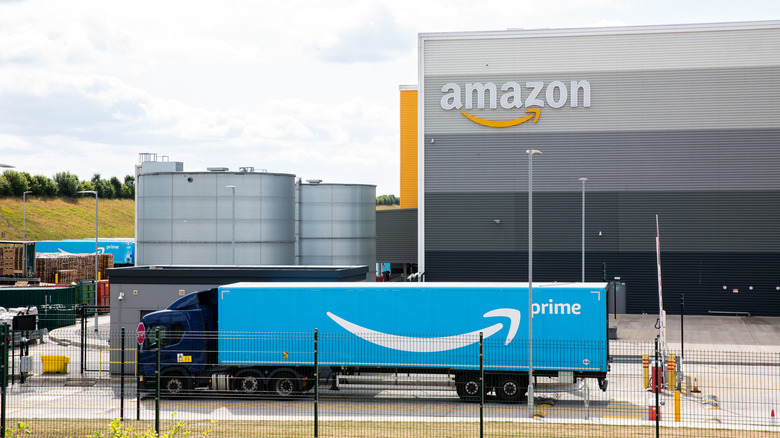
Many Amazon customers will agree that the company makes the return process relatively convenient, within reason. If you’ve ever made an Amazon return in designated bins at places like Whole Foods, or with your local UPS store and designated drop-offs, you may have wondered where those items actually go? Taking it directly from Amazon’s process breakdown, they either re-enter stock after passing inspection, become warehouse deals, or are liquidated, donated, or recycled.
After drop-off, items are consolidated with other returns and then sent to an Amazon return center, which the company describes as sites dedicated to processing “different types of products” from apparel and electronics to furniture. Every item is evaluated and inspected, and if they pass certain checks for damage or signs of use, from there it may be relisted; whether as a new item when applicable, or through Amazon Resale. Items that don’t meet Amazon’s “high bar for sale” may be repaired and liquidated, via specialty vendors, donated through Good360, or recycled, per Amazon’s sustainability reports.
Additionally, Amazon pallets contain bundles of returns, overstock, or liquidated items, some of which come from regular product returns from its customers. In short, items you return may become available for sale again, or they may be disposed of using one of the various methods, including liquidation, donations, or recycling. Although, it’s unclear where returns from Amazon’s new Haul discount store go — you can return any of its super low-cost items if they are damaged, defective, or not-as-described, within 15 days as long as you pay more than $3.
 Teamjackson/Getty Images
Given the returns process, and depending on its condition, it is possible to purchase previously returned items. One resourceful shopper reportedly even used an Apple AirTag to track his return over a three-month period and buy it back from a liquidator. You won’t be buying your own returns if you shop Amazon Resale, warehouse deals, and its liquidation options like Amazon Pallets; you will be buying returned items from other customers.
According to Amazon, the company thoroughly tests each item, making sure things like electronics power on, work correctly, and are factory reset to default operational settings. Then items are given a conditional label that you’ll see on the Amazon storefront page: “Like New,” “Very Good,” “Good,” or “Acceptable.” Before buying used, you can check the estimated condition of the items in the product listing.
For the holidays, Amazon adjusts its return policy, extending dates to give customers more time to return items. That’s a great idea because people receiving gifts, that don’t necessarily get them until much later after the purchase date, have the option to return if needed. It’s also surprising, as Amazon has been contending with a rapidly increasing returns problem in recent years, enough that some sellers have been leaving the platform altogether. Amazon has also been involved in a class action lawsuit alleging it didn’t honor refunds or recharged customers who returned purchases on time.
Search
RECENT PRESS RELEASES
Related Post