Who on Earth still doesn’t have electricity?
February 4, 2026
The world is hungrier than ever for energy.
Demand for heating, cooling, lighting, computing power, and just getting around is rising. In particular, the buildout of data centers to power technologies like AI has set off a rush for new power plants in countries like the US and China. Fossil fuel consumption reached a record high in 2025, but there was also an unprecedented amount of renewable energy added to power grids around the world. Global greenhouse gas emissions are slowly starting to level off. China, the world’s largest greenhouse gas emitter, saw its carbon dioxide output drop last due to renewable energy for the first time.
Key takeaways
- We don’t have a good grasp on how many people live without electricity. Official estimates place the number of people without power at 730 million, but a 2024 satellite study suggests the actual figure is closer to 1.18 billion — roughly one in seven people on Earth.
- Plus, global efforts to connect people to electricity have stalled since 2020. The vast majority of those without electricity live in Sub-Saharan Africa.
- Energy poverty exists even within countries with robust grids because political power is not evenly distributed.
- Clean energy can be a ladder out of poverty, but only when it reaches a tipping point of cost and reliability. The combination of solar and energy storage has a lot of promise. But it requires a lot of investment, and disasters worsened by climate change are undermining progress.
Yet despite this growing torrent of electrons, there are far more people than many realize who essentially live in a world without electricity, and many more who too often don’t have power when they need it most.
The International Energy Agency reported last year that there are 730 million people in the world who live without power, and progress in connecting them to electricity has stalled since 2020.
But the actual number is likely much higher since it’s hard for researchers and public officials to keep track of people in the poorest and most remote areas of the world. A 2024 study using satellite data found that 1.18 billion people — about one in seven people on the planet — showed no evidence of electricity use.
And “access” isn’t enough. There are 447 million people who are connected to the grid, according to official records, but don’t use power. Of those that do use power, many struggle to keep lights on consistently whether because of outages and load shedding, or because they can’t afford it. Some places are poised to see an increase in power outages as more people plug in and extreme weather events rip up fragile power connections. In the past, there have also been years where progress in increasing the reach of electricity has reversed.
As a result, the world’s poorest people end up relying on cheap, dirty fuels like kerosene, sticks, and animal dung for heating, lighting, and cooking. Some are even burning plastic to warm their meals. This energy poverty drives a negative cycle of ecosystem destruction, air pollution, and poor health that creates further impoverishment.
Often, discussions around energy — particularly in wealthy countries — treat it as a scarce resource that must be conserved. However, energy is a critical tool for escaping poverty and increasing standards of living. It’s also essential for adapting to a world getting hotter and facing more extreme weather. Generating power, particularly with renewables, has never been cheaper. That’s why the United Nations has set a target of bringing everyone on earth “affordable, reliable and modern energy services” by 2030.
Then why, in 2026, nearly 150 years since the invention of the light bulb, are so many living on so little?
It’s hard to count how many are still in the dark
First, let’s recognize the fact that the vast majority of people in the world have access to at least some electricity today.
This is despite the fact that the population of the world has multiplied from around 2 billion in 1931 when Thomas Edison died to more than 8 billion today. Average life expectancies surged from 30s to 70s as expanding electricity access improved sanitation, helped people warm up in the cold, cool off in the heat, preserve their food, and get better medical care. Humanity’s wealth grew 34-fold over the past century and continues to expand. All of this was tied to expanding electricity consumption. And all of this is good.
It took decades of investment to build the power plants, transmission lines, factories, and pipelines needed to provide electricity and get it cheap enough that most people can have some.
Closing the gap for the remaining fraction of humanity has proven stubbornly difficult.
If you zoom into different parts of the world, you can see that the main regions still lagging behind are Oceania — which includes Australia, New Zealand, and Pacific island states — and Sub-Saharan Africa.
But figuring out exactly how many people need power is tricky.
If you don’t have access to electricity, you’re often literally in the dark. There is no utility company keeping track of your household, and infrastructure like roads are often inadequate too, making it harder to take a census. Many estimates of energy impoverishment rely on surveys, but they aren’t always representative. They aren’t performed consistently across regions either, making apple-to-apples comparisons of energy access difficult across the world. A lot of the data we do have comes from governments that are self-reporting how many people don’t have electricity in their countries and they have an incentive to downplay the number.
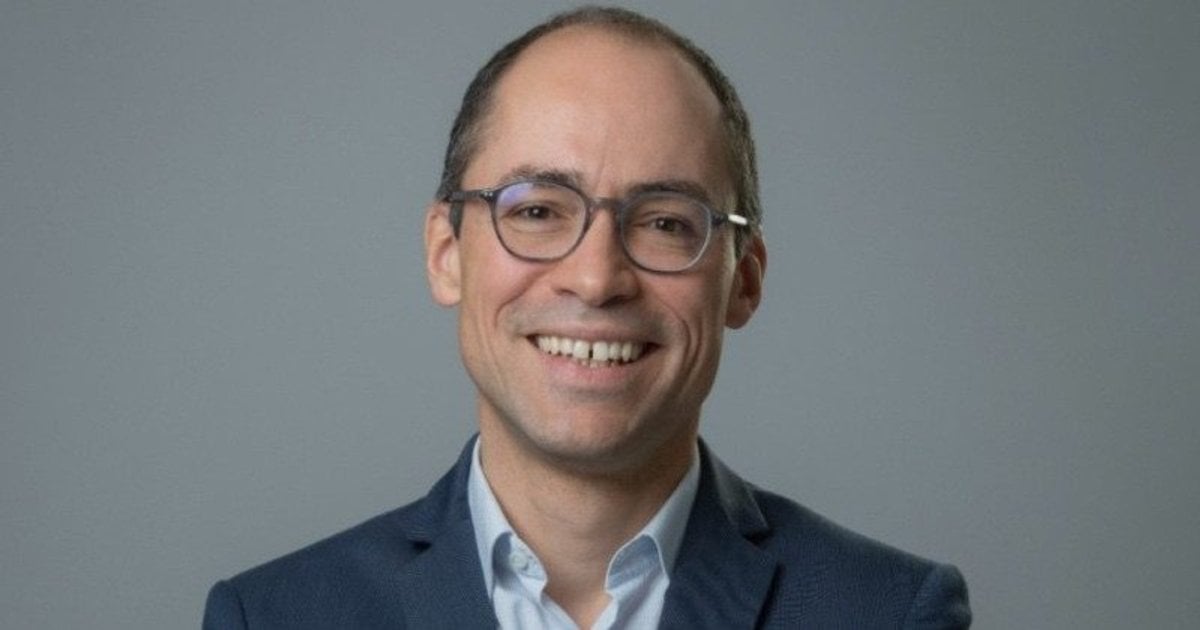
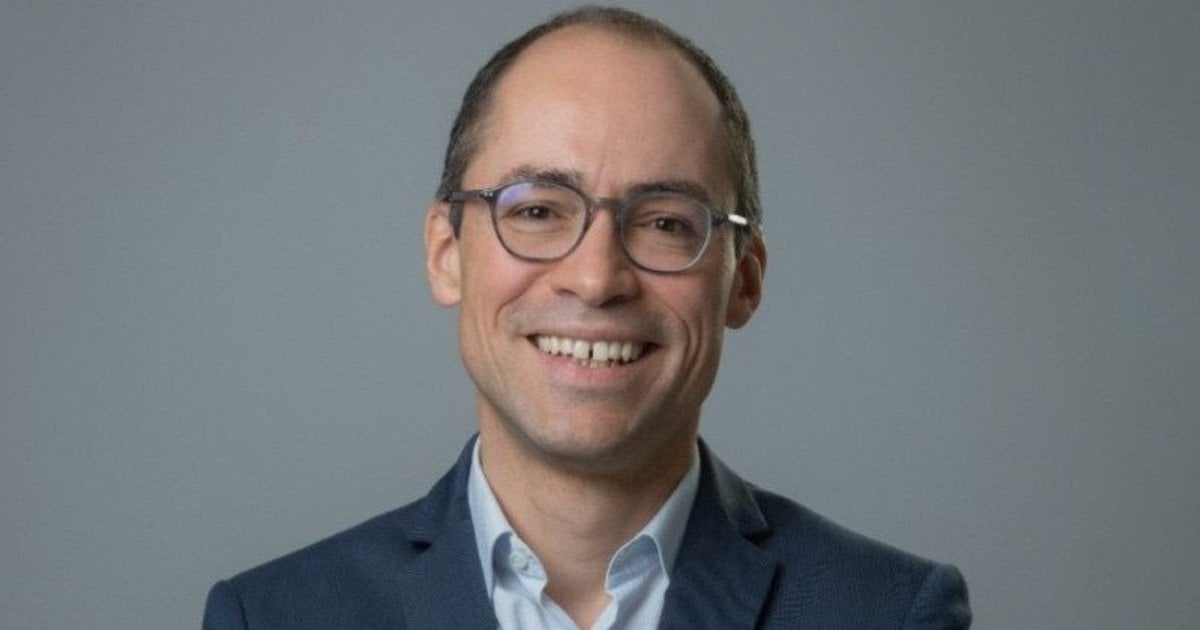
Brian Min, who studies electricity deployment in developing countries at the University of Michigan, wanted a better answer.
He and his team decided to look at satellite data over the course of seven years, examining regions of the world nightly to see how they lit up. By getting repeated pictures of the same areas, the researchers could see where the lights were on and off, but also see where they were dimmer and brighter, and where they were consistent and where they were flickering. They were also able to get around problems that tend to obscure individual satellite snapshots, like cloud cover and air pollution.
The results, published in 2024 in the journal Joule, showed that there were around 60 percent more people — a total of about 1.18 billion people — who are energy poor than shown on official estimates.
Many areas lacking power are in remote regions that are difficult to access, and their populations are spread out. That makes it much harder to build the generators and powerlines to connect people in these areas to the power grid. It’s also tough to make a business case to spend so much money on connecting a handful of people who don’t spend very much.

In Oceania, it appears that progress in increasing energy access has stalled at around 80 percent, but Min noted that this region includes many small Pacific island states that can’t easily connect to a larger grid.
In Sub-Saharan Africa, there has been a steady increase in energy access over the past few decades, but this region also has the fastest-growing population in the world. Between 2020 and 2023, 35 million people in Sub-Saharan Africa gained access to electricity, but the population also grew by 30 million, so the net reduction in people without power was only 5 million. By 2054, the region is on track to reach 2.2 billion residents, a 70 percent increase from the 1.29 billion people there today.
“Democracies actually do a better job at reaching more remote and rural communities.”
— Brian Min, University of Michigan
There is also a great deal of energy inequality within countries, not just between them. “It used to be that we thought about energy-poor countries versus energy-rich countries,” Min said. “Some of this is still true, but most of the communities where access is low are in countries where there is evidence of pretty significant or robust working grids.”
This is often because wealthier cities have more political power and can direct more investment in their direction, particularly when governments are less democratic and more authoritarian.
“Even though there are far-flung communities, there also are a lot of communities and settlements that don’t have reliable energy access even though they live within kilometers of other communities that are benefiting,” Min said.
Kenya is an interesting case in point. The Sub-Saharan African nation is home to 58 million people and has made big jumps in electrification, with access in the single digits in the 1990s to more than 75 percent of its population connected to power today. Over this time, Kenya also improved its democratic institutions and increased public accountability. “Democracies actually do a better job at reaching more remote and rural communities,” Min said.
It shows that connecting communities to electricity is not simply a matter of technology and money, but governance.
How electricity can become a ladder out of poverty
To improve their lives, the world’s poorest need more than simple battery-powered lights. “That is not transformative energy access,” Min said. “That is not the promise of energy for modern development that we have promised the world and that we’ve come to rely upon.”
Valerie Thomas, a professor of industrial engineering at the Georgia Institute of Technology who has worked on energy development in Africa, said that one of the most important electrification tipping points is cooking.
In the poorest regions, it’s often women who spend the bulk of their days gathering fuel who then use it to cook indoors on open flames or primitive stoves. It’s a major time sink and it leads to dangerous levels of air pollution inside the home. “If you look at the environmental health impacts of anything anywhere, cooking with biomass is one of the biggest killers,” Thomas said.
Conversely, cleaner and more efficient cooking improves household health and gives women more hours in their day to do other kinds of productive work. It also reduces pressure on the environment from activities like illegal logging for fuel.
But cooking with electricity demands a lot of power. “If you’re going to make a piece of toast with a toaster, that’s 1,000 watts right there,” Thomas said.
That power has to also be consistent and cheap. There’s also cultural inertia to overcome. Even in the United States, plenty of people use gas for stoves, furnaces, and water heaters, and are reluctant to switch to electricity. That’s why a number of countries and aid groups have teamed up to deploy more stoves that use local fuels more efficiently and produce less pollution, rather than going straight to electric hot plates.
What about the promise of renewable energy and microgrids, the idea of putting solar panels on rural rooftops and sharing power across a small village? Why haven’t people without power leapfrogged the centralized grid the way cell phones “leapfrogged” landlines in many developing countries?
Part of the answer is that the earlier generations of renewable energy systems haven’t been as reliable or affordable as hoped. Many were easily damaged and remote communities didn’t have the wherewithal to fix them. “A PV panel on your roof is cheaper and does kind of what people want, but they’re often not maintained well or delivered well,” Thomas said. “On the other hand, building a big transmission system and distribution grid out to a few people who might want 5 watts, 10 watts is just kind of expensive and ridiculous.”

But that doesn’t mean we should give up on solar power either. The price of the hardware is plummeting, and increasingly these systems are sold packaged with storage. Solar-plus-storage — packaging photovoltaic panels with a way to save it up for later — is rapidly gaining ground and dropping in price, creating a pathway for more reliable and affordable electricity for the world’s poorest regions.
Deployment still costs a lot of money and takes time, while disasters worsened by climate change, such as heat waves and coastal flooding, stall forward progress. At the latest round of international climate negotiations, countries pledged to mobilize $1.3 trillion in financing to help less wealthy countries reduce their greenhouse gas emissions and adapt to the warming that’s already baked in. But donor countries have a track record of missing climate financing targets, leading some developing nations to invest more in extracting their own coal, oil, and natural gas to escape poverty.
And to truly get to the last remaining people in the dark, to extend energy to all, countries will need to build institutions that give everyone a voice in their own welfare.
The trend lines of energy access are moving in the right direction, but with more thoughtful investments, governance, and technology improvements, power can reach more people sooner.
In a world that is getting hotter and more crowded, no one can afford to wait.
Search
RECENT PRESS RELEASES