Why Lucid Is Cheering The End Of The Tesla Model S And Model X
March 22, 2026
When hundreds of thousands of Model S and Model X customers return to shop luxury EVs, they’ll have plenty of choices.
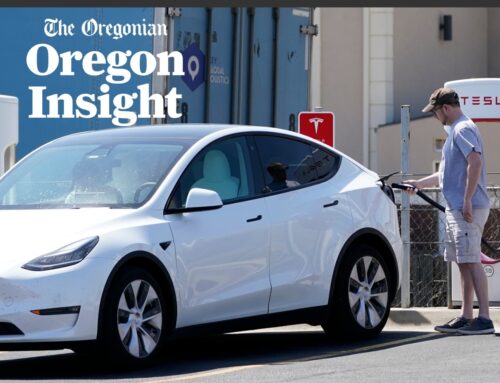
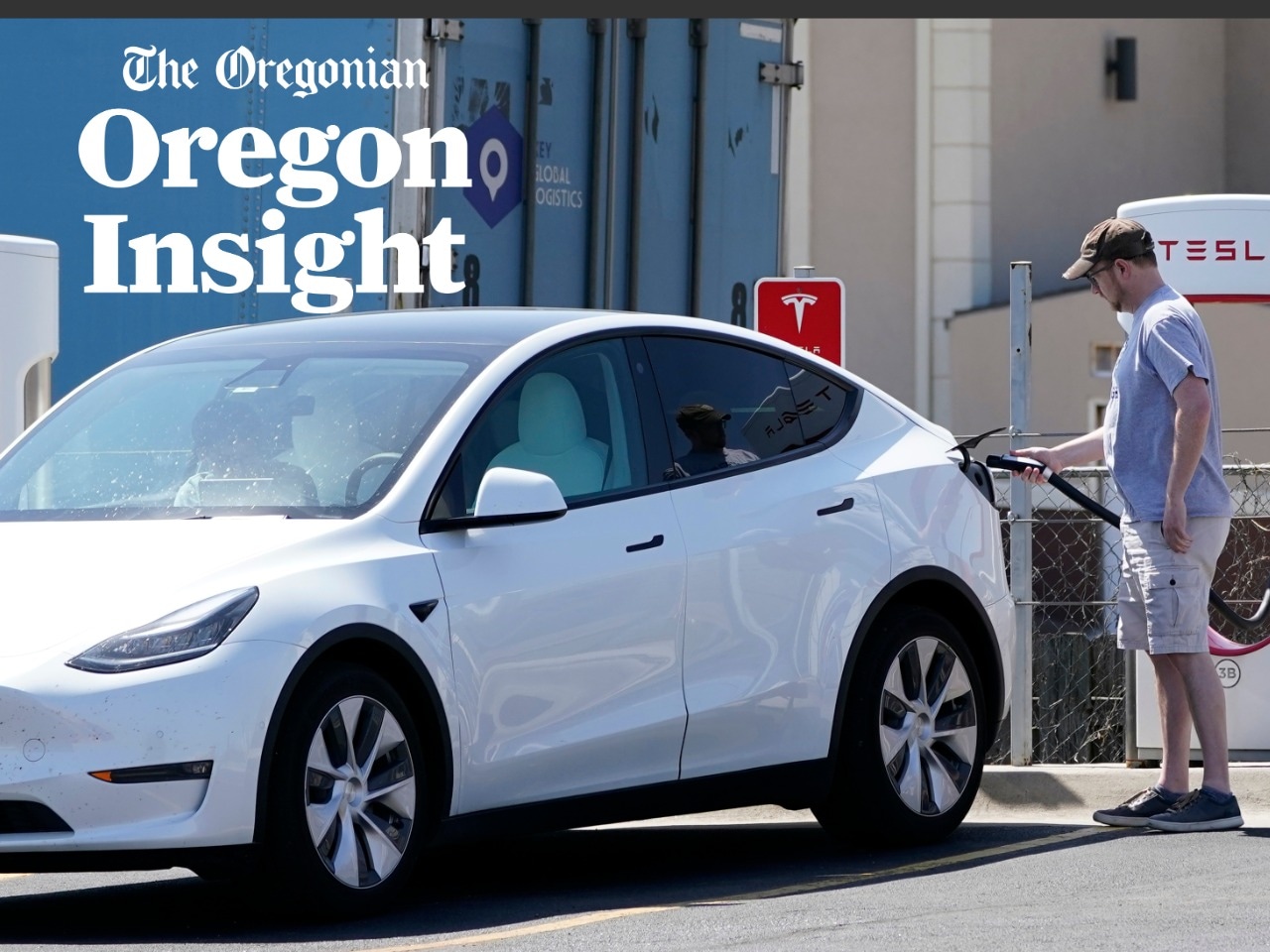
There was collective mourning among Tesla fans when the company announced this January that it was axing the Model S and the Model X to focus on building humanoid robots. The Model S’s demise stung especially hard. It is, by many accounts, the most important car of the 21st century.
The Model S made EVs cool and desirable, not only putting Tesla on the map but also spearheading the global auto industry’s biggest shift in a century. Not everyone is shedding tears over these icons, though. Rival Lucid made that abundantly clear at its Investor Day in New York City last week. The retirement of the Model S and Model X represents a big sales opportunity for the brand, Lucid officials said, and they brought numbers to back that up.

There were roughly 350,000 Model S and Model X owners in the U.S. as of January 2026, Lucid said, citing data from research firm S&P Global Mobility. When those customers return to shop for newer, more modern EVs, Lucid wants to be the brand that lures them in.
It won’t be easy, though, as the startup will have to compete against several luxury automakers like Cadillac, Rivian, BMW, Mercedes-Benz, and Volvo, who are all rolling out newer generations of their EVs with fewer software bugs, higher range, faster charging speeds, and better overall tech.
Lucid could use the lift. Between the Air sedan and Gravity SUV, which compete with the Model S and Model X, the company aims to produce 25,000 to 27,000 vehicles this year. It won’t see an opportunity for true mass-market volumes until the smaller, less expensive Cosmos and Earth crossovers arrive over the next couple of years. (Indeed, Tesla says it canceled its longest-running models to make room at its factory for robot production, but the EVs also weren’t selling very well.)
Lucid believes it has a meaningful edge in the luxury segment, and particularly against Tesla. The Air and Gravity were the top trade-in choices among Model S and Model X customers last year, the automaker said, citing the same S&P report.

That’s not surprising. The Lucids outperform the Teslas spec-to-spec. They have more EPA range, charge much faster, and also have far more premium interiors. The Gravity was even an Editor’s Choice for InsideEVs Breakthrough Awards last year, and is one of the best riding and handling SUVs I’ve ever tested.
The Lucids have a price advantage, too. The Air starts at $71,000 before destination, whereas the Model S will leave a $95,000 hole in your bank account. The Gravity starts at $80,000, while the Model X will set you back by $100,000.
To be fair, the Teslas get the Luxe Package as standard, which bundles free charging at the Tesla Supercharger network and Full-Self Driving (Supervised) for point-to-point hands-free driving.

While those are real perks, they don’t seem to be moving the needle for Tesla where it truly counts. Lucid sold 10,813 units of the Air last year, while Tesla only sold about 5,889 units of the Model S, according to estimates from Cox Automotive.
The Model X’s 13,066 units sold outperformed the Gravity’s 1,801 units in 2025—though that gap is largely explained by Lucid’s own production delays. This year should offer a better indication of Lucid’s production capacity for the Gravity and how much demand it really has.
All said, it’s worth noting that Tesla is still the undisputed U.S. EV sales leader and operates in an entirely different league compared to Lucid. But by abandoning its passenger vehicle business to focus on AI and robotics, it may have handed its rivals their biggest opportunity yet.
Contact the author: suvrat.kothari@insideevs.com
Search
RECENT PRESS RELEASES
Related Post