Why NOW Is The Right Time To Buy An EV
April 16, 2026
The automotive industry has been up and down like a yo-yo in recent years, with a range of events making a huge difference to the affordability of our four-wheeled friends. From the Covid-19 pandemic that affected the price of vehicle parts around the world (which led to a vast increase in new car values) to recent war threats that have escalated the price of oil, it’s been a tough time to be a car manufacturer. Sprinkle in the push to make electric vehicles a staple of modern motoring, and you’ve got an outlook rough enough to make even the most stoic CEO sweat.


For the most part, though, the good old internal combustion-engined vehicle has tended to come out on top. Following recent goings-on, however, we reckon that opting for an EV over an ICE machine makes more sense now than ever before. With situations developing faster than we can keep up with, what looked to be a death knell for the EV has quickly switched into a golden opportunity for the sector to finally flourish.
EV’s Have Struggled To Find Favor With Modern Motorists
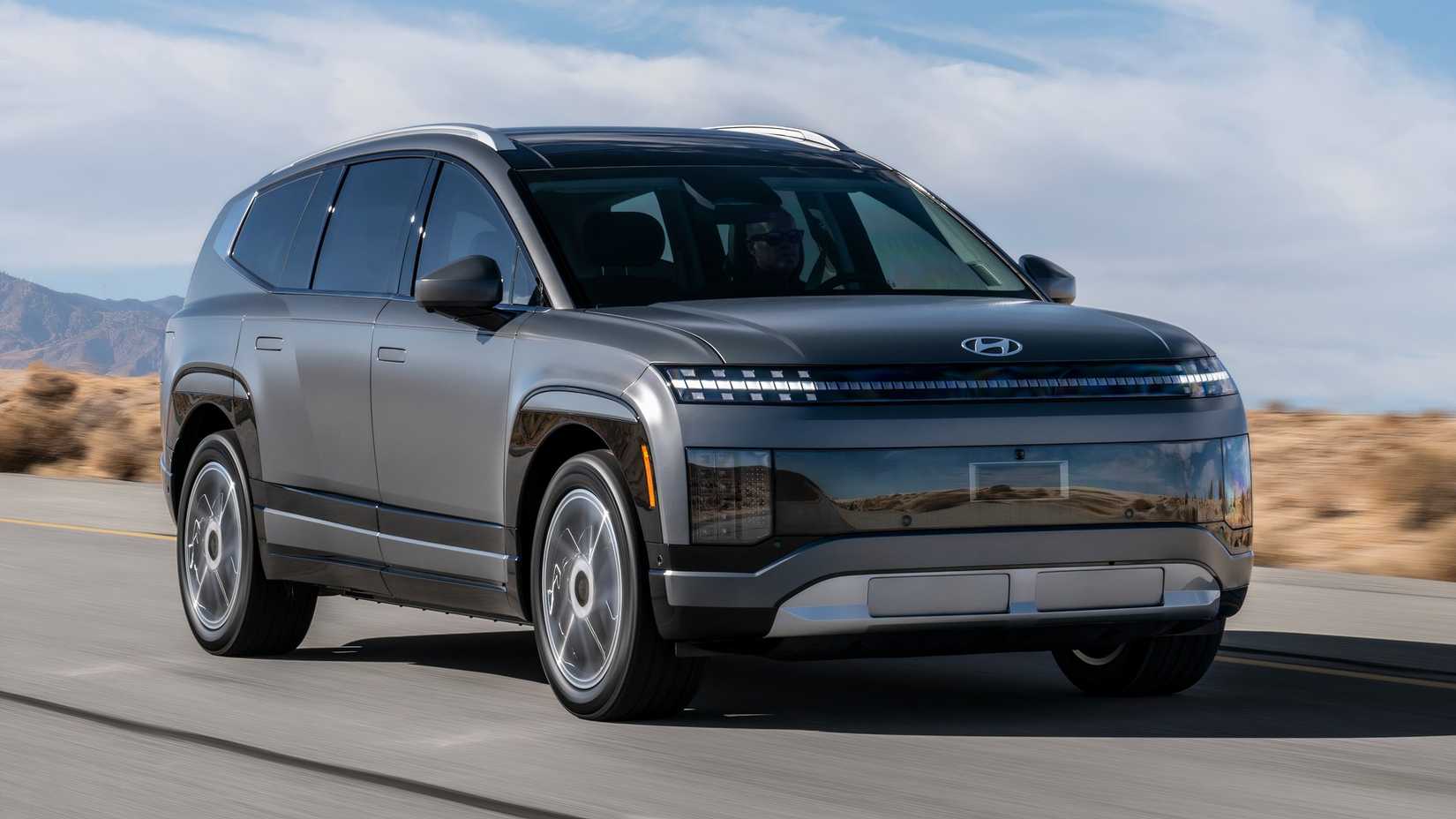
Despite the sustained push by governments around the world to get manufacturers to primarily supply electric cars, the paying public hasn’t been so sure on the idea. You can forget the notion of drivers not wanting to change too, as the primary elements that have prevented the EV industry from taking over from ICEs are more practical in nature. Firstly, they’re simply not as versatile as standard ICE-powered vehicles.
Electric vs Gas/Hybrid Sales In The US
|
Gas/Hybrid Vehicles |
Electric Vehicles |
|
|
2023 |
13 million |
1.2 million |
|
2024 |
12.5 million |
1.3 million |
|
2025 |
16.38 million |
1.7 million |
|
2026 Q1 |
3.66 million (Forecasted) |
216,399 |
While technically impressive with their battery packs, sweetly developed electric motors and regenerative braking setups, most EVs up to now have simply lacked the outright range to replace their ICE equivalents. While newer cars can stretch up to 400 or 500 miles on a single charge, it’s still common to find offerings that can barely crack the 200-mile mark. Combine this with longer charging times, which force you to sit around for at least 20 minutes as opposed to a five-minute fuel stop, and a lack of charging infrastructure that makes it difficult to find a station in the first place, and many can’t be bothered to deal with the hassle.
They’re Not Exactly Cheap, Either
Of course, if they promised excellent value over an ICE, many could probably swallow the extra hassle. Well, according to Cox Automotive, the average new price for an EV currently sits at $54,508, which is the third month in a row the figure has dropped. Despite this, the average ICE still costs around $5k less, making an EV not only more awkward to use on a daily basis, but more expensive, too. In addition, while charging an EV at home provides strong value when compared to filling up a tank of gas, public chargers can cost even more than brimming an ICE.
On top of this, enthusiast drivers aren’t jumping on the EV bandwagon due to the relative lack of engagement they offer. An EV’s instant torque can be thrilling for a while, but the lack of any engine noise or anything other than an alienating one-speed transmission soon reminds you that they also lack that special sauce that a well-sorted ICE provides. It doesn’t stack up well for EVs, but fortunately, things look to be changing.

What’s holding you back from buying your first electric vehicle?
The number of EVs on the market continues to grow with better products being produced as time goes by. There’s also a wider range of electric vehicles now, from sedans to trucks and SUVs. There are, however, challenges to owning one with worries about driving range and charging speed along with their higher price being the most-often cited reasons for now going electric. What’s holding you back from buying your first electric vehicle?
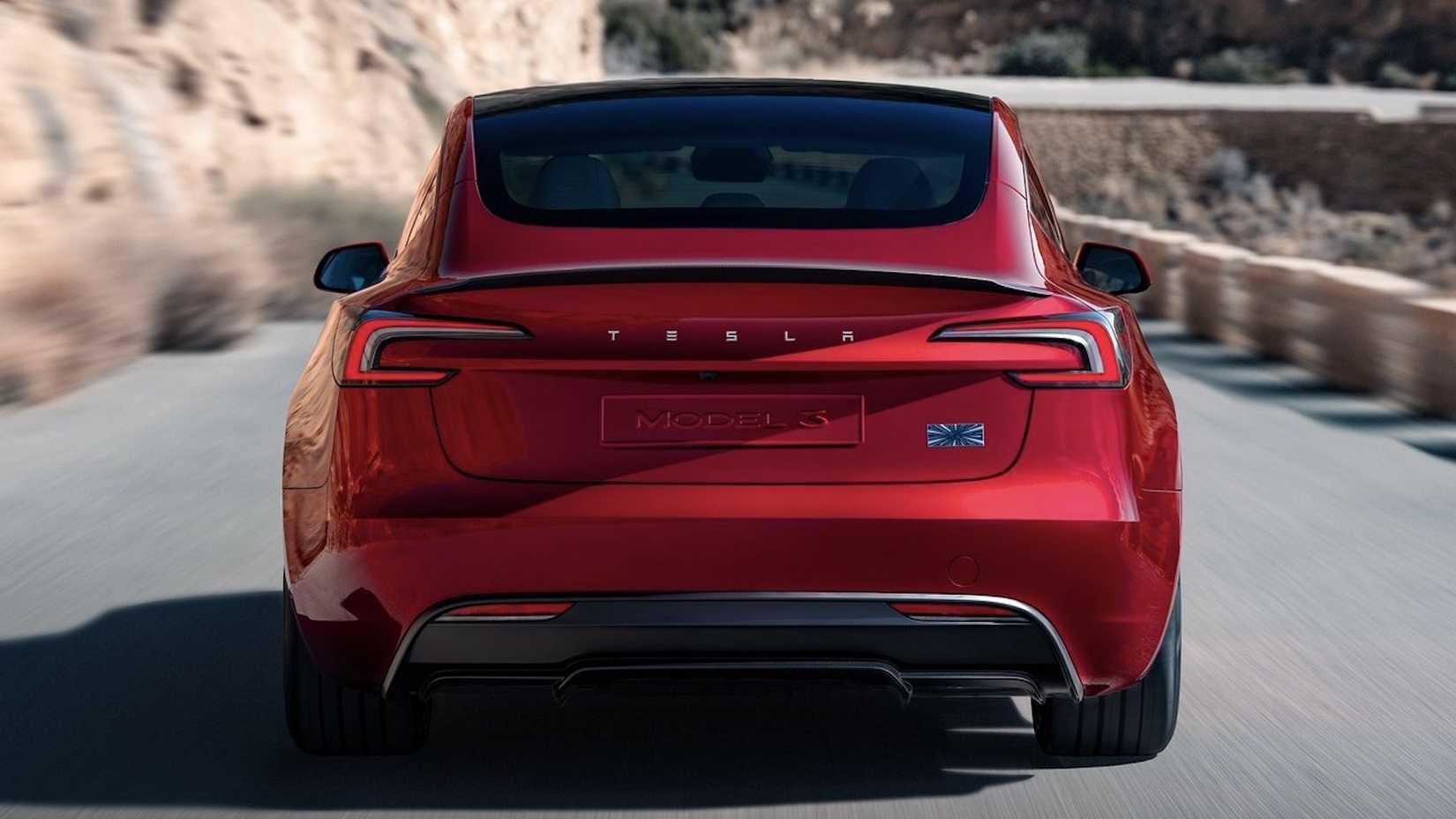
The first key attribute is that electric machines continue to develop at an impressive rate. While some still lack the outright range to be anything other than city runabouts, some modern vehicles are getting really close to their gas equivalents when it comes to range.
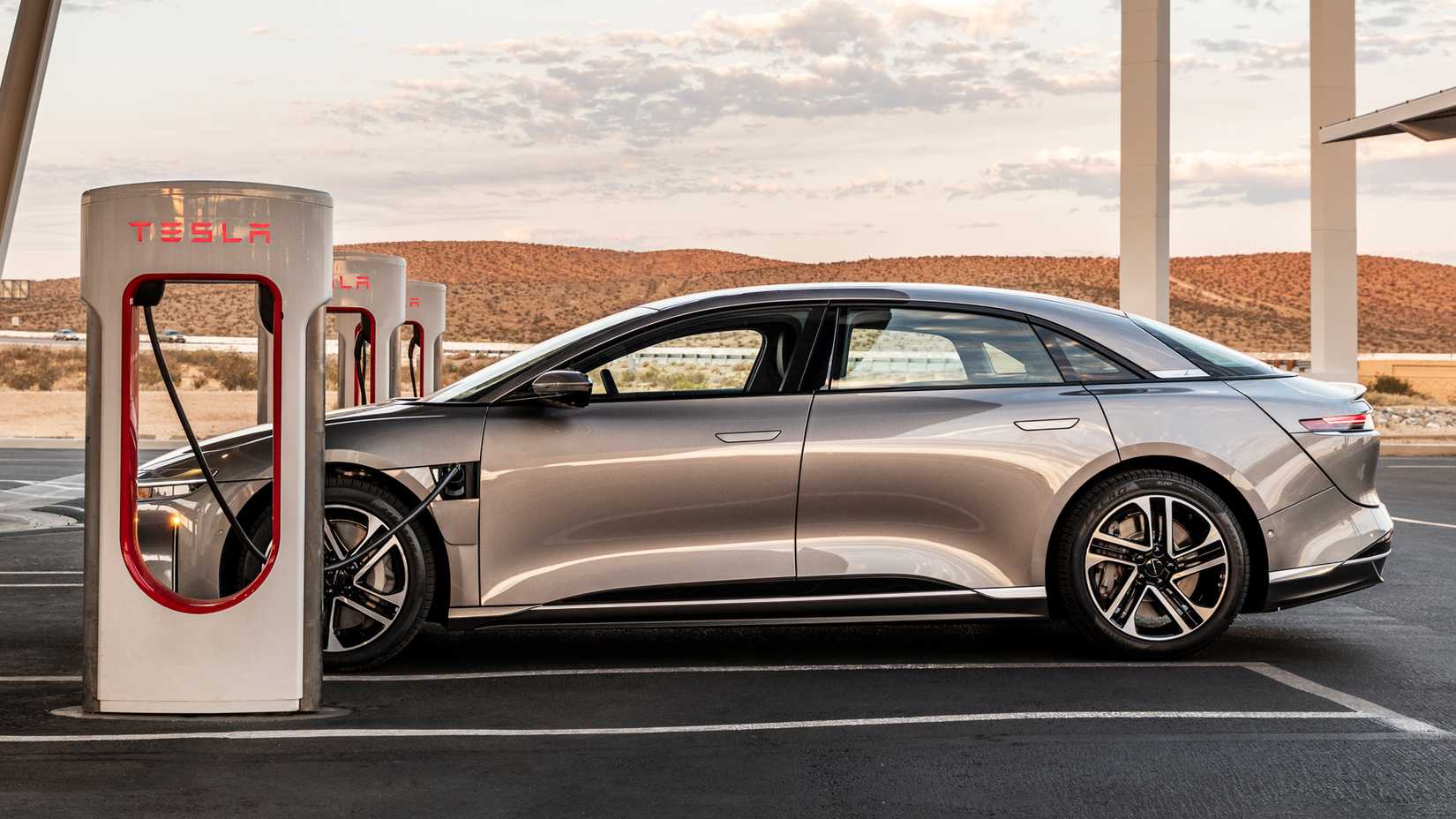
Lucid’s Air can run for up to 512 miles on a single charge, which is further than many ICEs can manage these days. Its $114,000 base price keeps it out of the grasp of most buyers, but fortunately, these gains are starting to filter further down the food chain.
The newly announced BMW i3 sedan is set to be priced around the $50k mark, and will be able to cover an impressive 440 miles on a single charge. That’s only around 40 miles less than the hybrid-powered BMW 330i can achieve, illustrating that the gap between the two types of combustion is quickly being closed.
The fact that the average price between the two vehicles is coming down is also promising, as if it keeps heading this way, it won’t be long before you’ll have to pay a premium to utilize an EV. For reference, the i3 is set to be around the same price as a standard 330i, which illustrates how manufacturers are trying to make their electric offerings more enticing to the public.
They Also Drive Better Than Ever
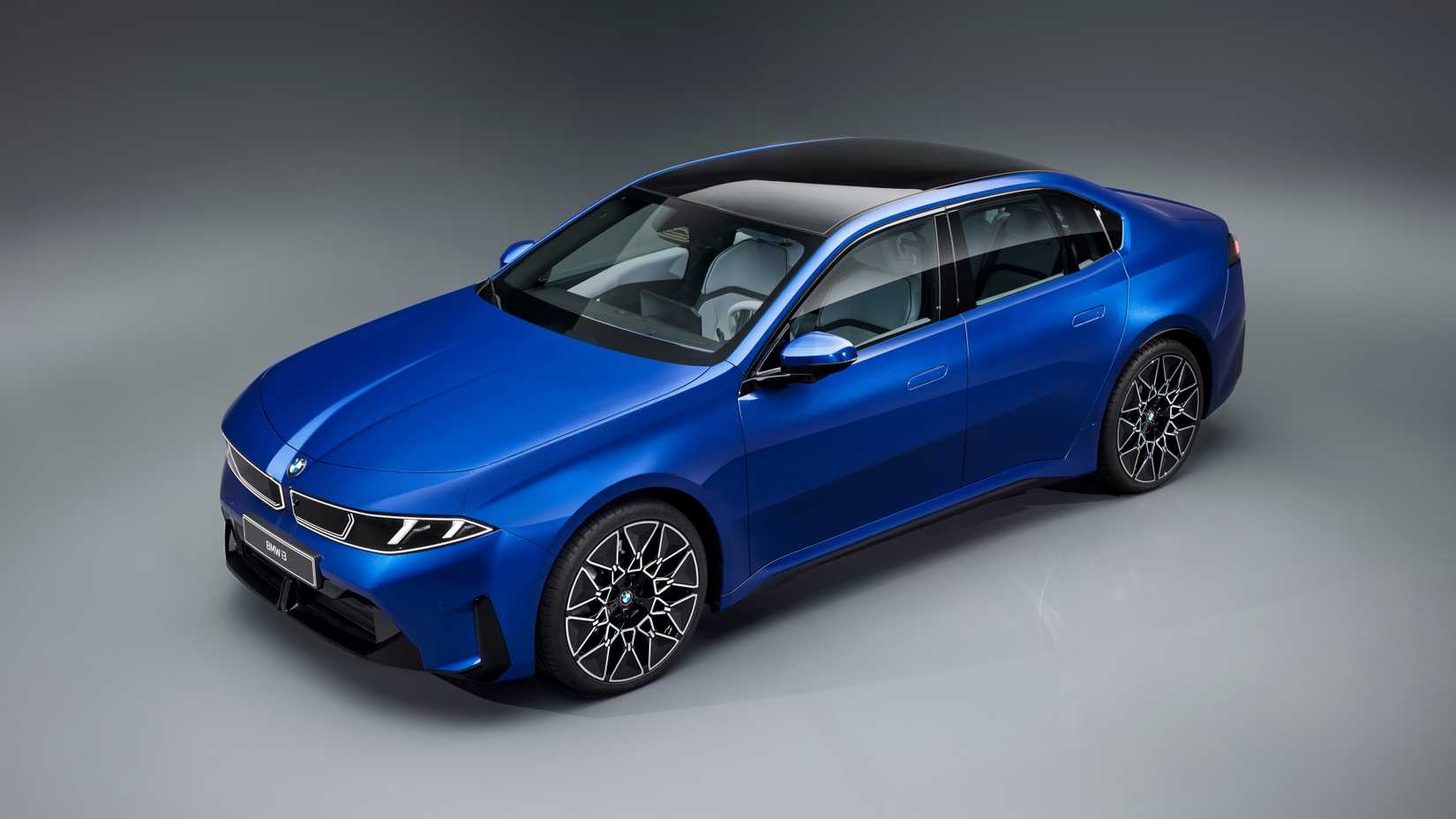
In addition to this, the gap between EVs and ICEs from a driving standpoint is narrowing. Take the i3 as a clear example of this, as its new dedicated EV platform sees its battery pack combined with the main floor structure of the car.
Not only does this provide extra strength, it also means the total weight of the car can be reduced, as well as keep its center of gravity nice and low. This means that the car will be more agile and confidence-inspiring on the road, not to mention quicker.

The Numbers Are In. EVs Are Dead In Under One Year
It took less than 12 months to kill the electric car.
Brands like Porsche and Subaru are also developing simulated manual transmissions, which will allow drivers to enjoy greater engagement from their EVs going forward. It seems the manufacturers finally understand that listening to their customers is more effective than telling them what they should want, and the EV industry is all the better for it.
Rising Gas Prices Are Putting EVs Squarely In The Shop Window
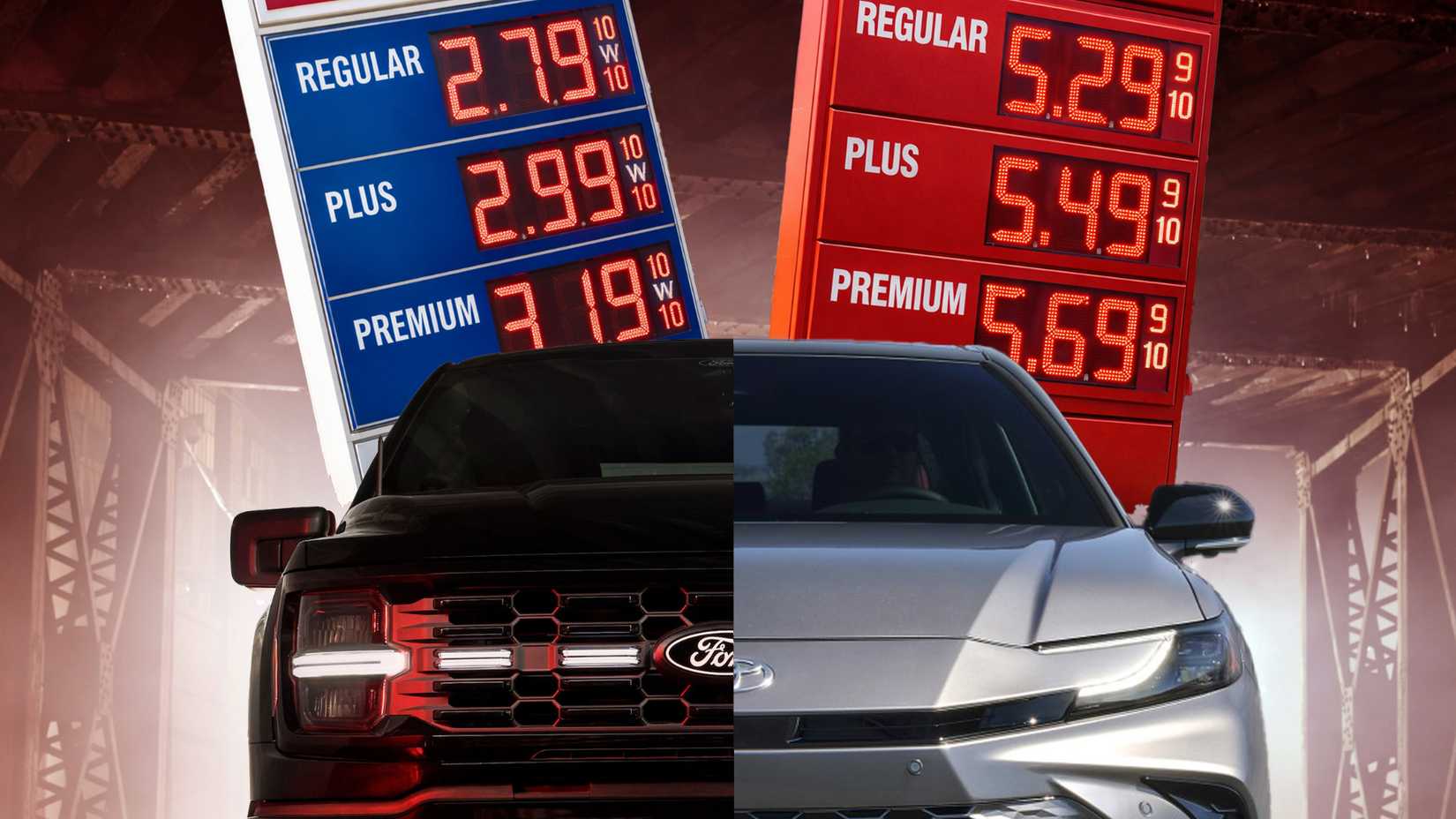
Another key factor helping to make EVs more attractive is the recent Iran conflict, which has led to a restriction on oil being transported through the critical Strait of Hormuz. The result is that oil prices have increased by just shy of 70% compared to this time 12 months ago, which has led to the average cost of gas increasing by 20%.
The result is that public charging is currently cheaper than filling a gas car, and there’s no guarantee that fossil fuel values will come down as quickly as they blasted up. And that’s if the current blockages are dealt with swiftly.
The gap widens even further if you can charge your EV at home overnight, which costs on average around $100 a month less based on the average power plan used by US households, meaning some excellent savings can be made.

This Is Why You Don’t Want An EV – According To Science
A recent study has highlighted all the reasons why EV uptake has been so slow in the USA.
Used EVs Provide Great Value
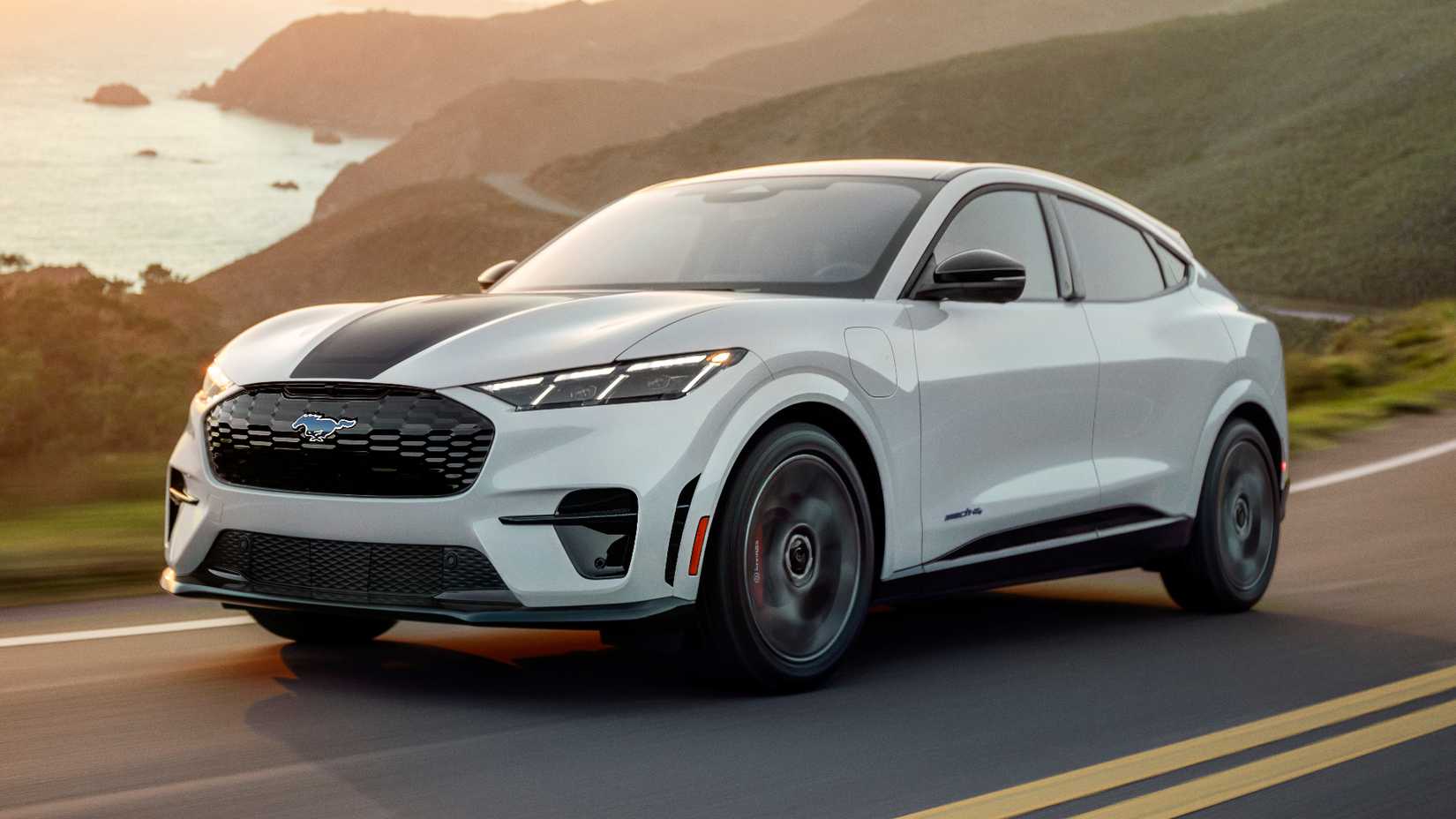
Granted, brand-new EVs aren’t yet cheap enough to be justified as “great deals”. Used ones, though, well that’s a different story. As a combination of their general unpopularity, and the fact that the technology used in new specimens becomes yesterday’s news almost overnight due to continual development, EVs depreciate as quickly as they launch from a standing start. It’s not uncommon for brand-new machines to lose 50% of their value in just three years, which means buying used can net you an excellent EV example for a bargain price.
Take the Ford Mustang Mach-E as a good example. The Select RWD-spec of the vehicle can manage around 250 miles on a single charge, and demanded $42,500 when it was brand-new in 2023. You can routinely find tidy and well-looked-after specimens on the used market for around $20k these days, which is amazing value for a still-modern and practical crossover.
Use your home power supply to keep its battery topped up, and you’ll be making big savings when it comes to running it versus your current ICE vehicle, too.

What 10-Year-Old Used EVs Sell For In 2025
Buying a new EV can be a strain on your bank account, so this is how much a ten-year-old used example will cost on the secondhand market.
EVs have undoubtedly been taking a real pounding in recent years, but the current oil crisis highlights a vital advantage they pose over the ICEs we know and love. Not only are used examples very cheap versus their gas-powered rivals, but they’re also cheaper to keep running for now, and potentially for a long time into the future. Alongside this, new ones are getting better to drive, more frugal, and more affordable with every year that goes by, to the point where they’re not far from matching what a contemporary ICE can do. The EV revolution isn’t here just yet, but given the current rate of development, it may not be far away.
Sources: Cox Automotive, Cox Automotive 2.
Search
RECENT PRESS RELEASES
Related Post