Why older adults are turning to edible cannabis for sleep, pain, and mood
May 12, 2026
 By
By
As older adults seek alternatives for sleep, pain, and mood symptoms, a new qualitative study reveals why many gravitate toward edible cannabis, especially THC-CBD combinations, while still weighing concerns about getting high, uncertain benefits, dosing, and medical guidance.
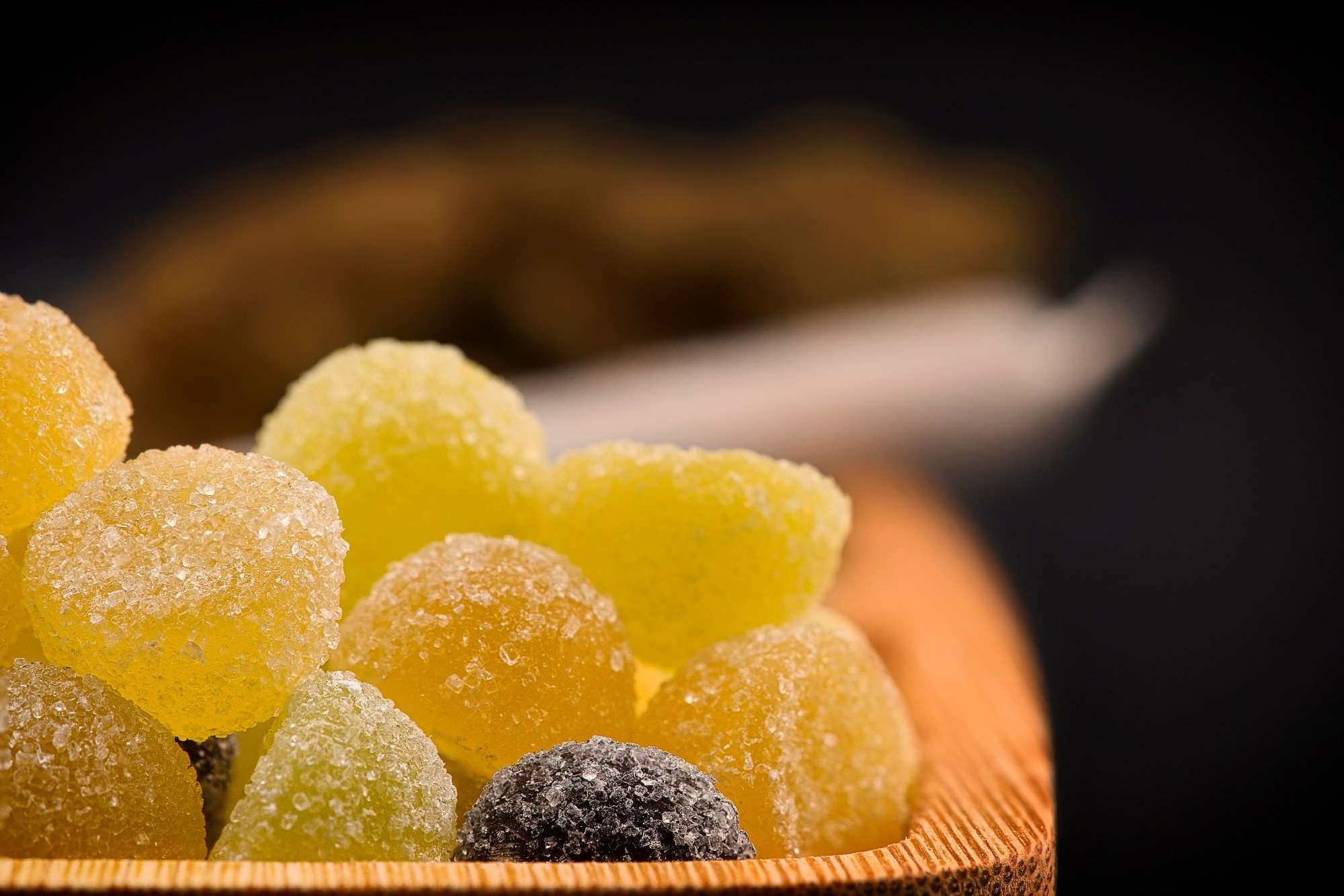
Study: Edible Cannabis and Pain, Sleep, and Mental Health Management in Older Adults. Image Credit: Magdalena Teterdynko / Shutterstock
In a recent study published in JAMA Network Open, a group of researchers examined why older adults use edible cannabis products and how they perceive different cannabinoid options for managing pain, sleep, and mental health symptoms.
Older Adults and Edible Cannabis Background
As cannabis legalization has expanded across the United States, cannabis use among older adults has increased, and many are using cannabis for chronic pain, sleep disturbances, anxiety, and depression.
Participants in this study often expressed concerns that conventional medications may cause adverse effects, including grogginess, dependency, cognitive effects, or long-term health risks, prompting interest in alternative approaches.
Edible cannabis products are popular because they avoid smoking and appear easier to use discreetly, but people are still confused about which cannabis products are safest or most effective.
Limited medical guidance and inconsistent information from advertising, media, or peers leave many older adults uncertain about how to make informed decisions. Further research is needed to determine how older adults evaluate these products.
Colorado Cannabis Interview Study Design
The qualitative study was conducted in Colorado between November 2021 and November 2023 as part of a larger clinical trial examining the effects of edible cannabis products on physical functioning, cognitive health, and well-being among older adults. Researchers recruited adults aged 60 years or older who were looking for cannabis to treat pain, sleep problems, anxiety, or depression. Individuals using cannabis more than seven times a month were excluded. Participants were mainly recruited through direct mail campaigns, flyers, and community outreach events in the Denver and Boulder areas.
Before buying cannabis products, participants filled out demographic surveys and completed semistructured interviews. Interviews were used to examine participants’ motivations for trying cannabis, prior experiences managing symptoms, and attitudes about types of cannabis products. Following the interview, participants were shown an infographic summarizing the three product categories and asked which type of product they intended to purchase from a dispensary.
All interviews were audio-recorded, transcribed, and then analyzed using qualitative content analysis. Researchers used a structured codebook to identify themes related to motivations, concerns, perceived benefits, and drawbacks of cannabis use. Qualitative analysis continued until thematic saturation was reached, meaning no substantially new themes were identified from additional interviews.
Cannabis Use Motivations and Symptom Targets
The study included 169 participants with an average age of 70.8 years, and slightly more than half were women. Most participants identified as White and had high educational attainment. Participants reported concerns including chronic pain, poor quality sleep, anxiety, depression, and increased physical discomfort. The most common reasons for considering using cannabis were sleep issues, followed by pain management and mental health issues. Participants chose combination products with both cannabidiol and tetrahydrocannabinol far more than they chose cannabidiol-only or tetrahydrocannabinol-only products.
A common motivation was avoiding traditional pharmaceutical medications. There were concerns about the potential for negative side effects with both prescription and over-the-counter medications. This included fears of becoming dependent on medications, experiencing cognitive impairment, or being groggy after taking them, among other concerns. Many viewed cannabis as being more natural or safer than pharmaceuticals.
Other participants mentioned having tried multiple other treatment modalities such as physical therapy, injections, yoga, massage therapy, sleep medications, and/or antidepressants, and not finding effective relief of their symptoms. They viewed cannabis as their last attempt to improve their quality of life.
Participants also discussed worsening age-related symptoms as an important reason for considering cannabis use. Many described increasing joint pain, sleep disturbances, emotional distress, and reduced physical comfort associated with aging.
Some individuals hoped cannabis could help them maintain independence, remain physically active, or improve daily functioning. Others were influenced by experiences of friends, family members, media sources, or medical presentations that described positive experiences with cannabis. Word-of-mouth recommendations strongly influenced perceptions of cannabis effectiveness.
A smaller group expressed interest in cannabis for recreational enjoyment or as a substitute for alcohol. These participants believed cannabis might improve mood and social experiences while causing fewer harmful health effects than alcohol consumption.
Cannabidiol and THC Product Perceptions
Participants reported distinct views regarding different cannabis product types. Tetrahydrocannabinol-dominant products were linked with relaxation, mood enhancement, and psychoactive experiences. However, a majority of the participants expressed concern about their potential to feel “high”, cognitively impaired, anxious, or unmotivated. Some worried that tetrahydrocannabinol products could interfere with daily activities or reduce productivity.
On the other hand, most participants viewed cannabidiol-dominant products as being less risky, as they were less likely to cause intoxication or functional impairment. They were encouraged that they might be able to achieve symptom relief from cannabidiol without experiencing a high or functional impairment. However, the concern that they would not actually receive measurable benefit or that manufacturers’ claims about the effectiveness of their products were not credible was a significant negative factor. Others worried about product costs if benefits were limited.
Most participants perceived combination cannabidiol-tetrahydrocannabinol products as likely to provide therapeutic benefits from both cannabinoids. They were also interested in tailoring the ratios to their individual needs for pain relief, improved sleep, and relaxation. However, participants also mentioned that there is some confusion about choosing the right ratio of cannabidiol to tetrahydrocannabinol.
The authors noted several limitations, including that the sample was highly educated, predominantly White, recruited from a limited Colorado catchment area, and drawn from a state where recreational cannabis is legal. Because the study focused only on edible cannabis products, findings may not apply to inhaled, topical, or other cannabis formulations.
Older Adult Cannabis Guidance Implications
Older adults are increasingly exploring edible cannabis products as alternatives to conventional medications for managing pain, sleep issues, anxiety, and depression. Many participants were motivated by dissatisfaction with existing treatments and concern about the adverse effects of pharmaceuticals.
Combination cannabidiol and tetrahydrocannabinol products were especially appealing because they were perceived to provide balanced symptom relief. Significant concerns remain regarding cannabis dosing, effectiveness, delayed onset, potential medication interactions, and psychoactive outcomes.
The study results suggest that there is a need for stronger clinical evidence, clearer patient-centered guidance, accessible education on these products, and better scientific evidence to provide older adults with the information they need to make safe and informed decisions about cannabis.
Download your PDF copy by clicking here.
- Delaney, R. K., Watt, M. H., Stanger, M., Hong, I., Bakshi, N. K., Fagerlin, A., & Bryan, A. (2026). Edible Cannabis and Pain, Sleep, and Mental Health Management in Older Adults. JAMA Network Open. 9(5). DOI: 10.1001/jamanetworkopen.2026.11718, https://jamanetwork.com/journals/jamanetworkopen/fullarticle/2848773
Search
RECENT PRESS RELEASES
Related Post