Why SpaceX thinks it’s worth nearly $2 trillion
May 8, 2026
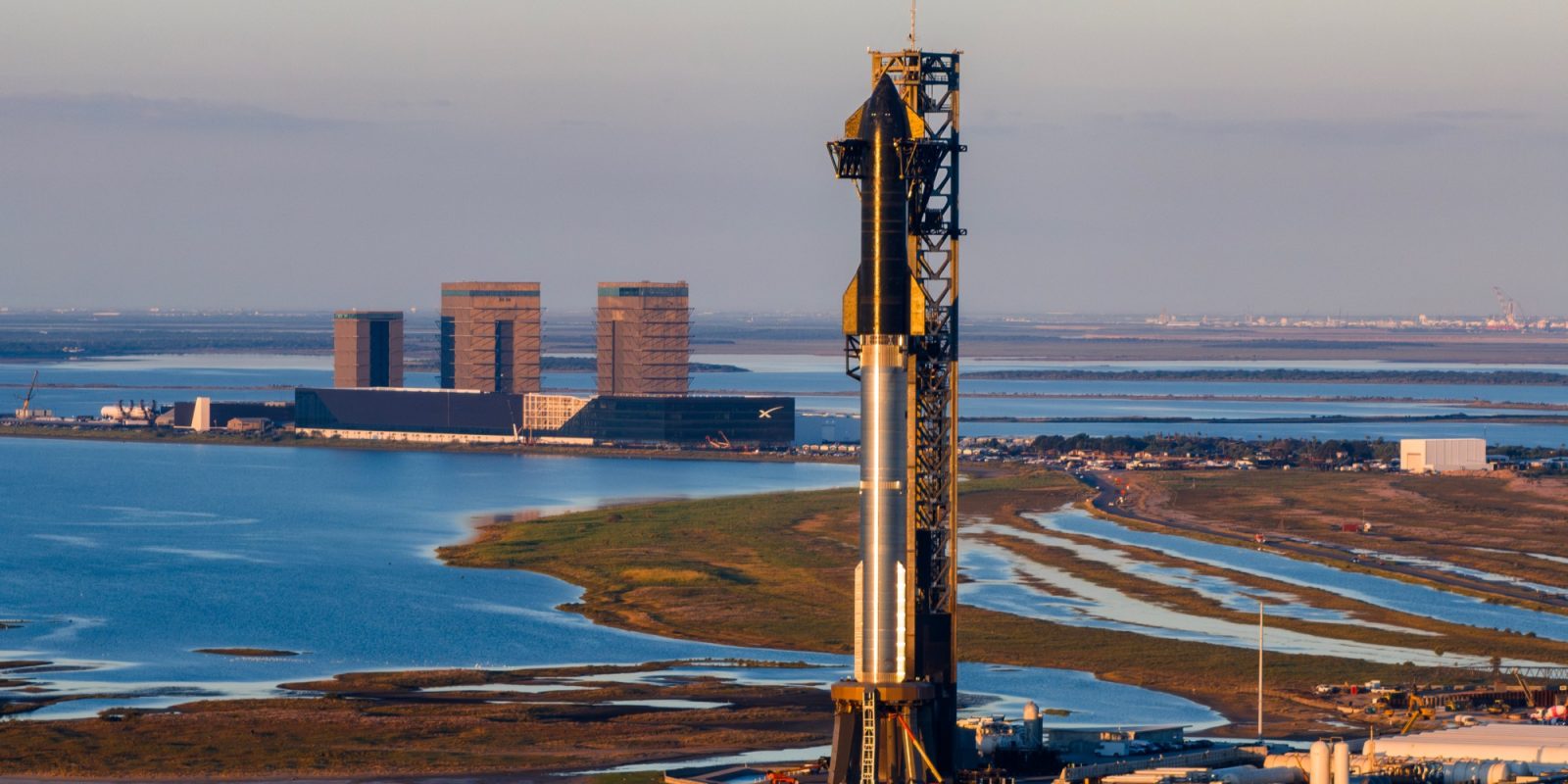
Sometime this year, SpaceX will officially hit the public market as what is the largest IPO in history. The company hopes to raise $75 million through share sales and continue to grow its valuation. But why does SpaceX think it’s worth so much?
SpaceX has set its IPO, Initial Public Offering, valuation at $1.75 billion; there’s room for that to move, but for now, that’s what SpaceX believes the company is valued at. That is more than any other space prime’s valuation (likely combined) and is closer to the valuation of Amazon and more than one of the hottest defense tech companies, Palantir.
That’s a lot for a company most known for launching a lot of rockets successfully and blowing up a lot of rockets publicly. However, the company has evolved much more than that over the two decades of its existence. Here’s how the company is broken up and where the money is at.
The workhorse rocket of the US space industry, SpaceX’s Falcon 9 rocket has been launching for 16 years. It has launched over 600 times, sent dozens of crewed missions to space, and delivered important science and defense satellites into space.
Advertisement – scroll for more content
While being a commercial launch provider is what SpaceX has been from the start, and is what most people know them for, it is no longer the company’s only driving factor.
The company has nearly perfected partially reusable rockets, landing the Falcon 9 and Heavy boosters with ease; it’s no longer a major news story when it happens. What was once the talk of the town when SpaceX proudly returned a booster to Port Canaveral is now just a normal day for the locals.
SpaceX launch services are still an extremely important need for the US space industry, being one of the only reliable and consistent rockets flying today. Although competitors are coming for it, like Blue Origin’s New Glenn rocket.
We don’t know exactly how much money SpaceX makes launching rockets. Payload Space estimated it brought in roughly $5 billion in revenue during 2025, its most prolific year of launches yet. However, the majority of SpaceX’s Falcon 9 launches are for Starlink, its internet space division, meaning its missions are at cost and not generating any revenue for the company. So, is SpaceX turning any sort of profit on these? No one knows but SpaceX.

If the Falcon 9 is the part that launches rockets and makes SpaceX famous, Starship is the part that makes them infamous for blowing rockets up.
Since 2019, SpaceX has been on a mission to build the world’s first fully reusable orbital rocket down in South Texas at a site it calls Starbase. In total, the company has spent $15 billion. That money has produced 11 launches to space and a whole lot of catchy headlines.
While Starship has the potential to be SpaceX’s greatest asset, potentially unlocking NASA’s hopes to build a lunar surface base and SpaceX’s dreams of building a colony on Mars, in a world of short-term gains, which is the US stock market, its high-profile missions could mean massive fluctuations in stock prices.
We’ve seen with both Rocket Lab and Astra; both companies saw massive dips in stock prices, leading to the exchange to implement temporary stock trading pauses after rockets failed to complete their missions.
While industry insiders and enthusiasts may understand not all explosions mean failures and flight data can mean a lot more than a 100% successful mission, Wall Street will likely see anything but forward momentum as a massive setback.
This mindset has been a big reason why Elon Musk has avoided taking SpaceX public in the past. Ensuring SpaceX can do what it does without the need to care about public filings and stock price, even when things don’t go the way they planned.
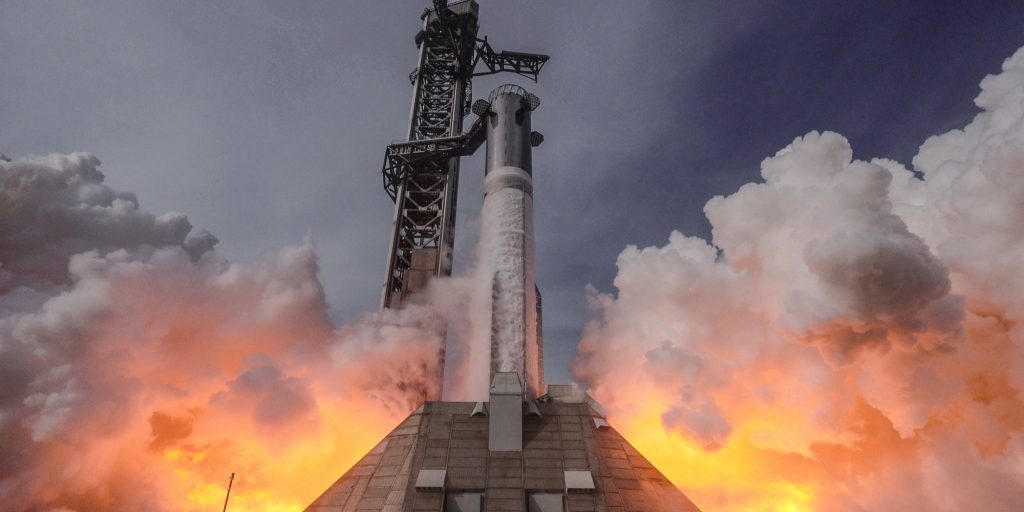
SpaceX’s current greatest asset, and likely the main reason why SpaceX would ever consider going public, Starlink is by far the real reason anyone would invest in SpaceX’s stock.
Starlink is the reason the Falcon 9 is so cheap to fly; the more you can use the same rocket, the cheaper it gets, and the reason why Starship can consume so much money in R&D costs. Starlink is likely printing money for SpaceX and Elon Musk.
Payload Space estimated Starlink brought in $12.8 billion in revenue and had 8.4 million users in 2025. The largest satellite constellation ever has taken SpaceX from a company only space nerds would know of to a household name anywhere reliable internet is unachievable.
While other competitors are working on getting close to SpaceX, Starlink is currently the only LEO-based satellite internet service that is direct to consumers. Amazon LEO will soon be next while OneWeb continues to service commercial partners like AT&T and governments.
As the service has grown in users, so must the service’s infrastructure. SpaceX has been launching its v2 Starlink satellites for years but hopes to switch to v3 satellites this year. However, that switch will rely on Starship’s ability to move out of suborbital flights and begin launching itself and payloads into orbit.
This has been SpaceX’s goals for some time, but will now be a much bigger deal when quarterly earnings calls make every delay more painful to the wallet.

What may be the smallest part of SpaceX’s family of businesses, Starshield, Starlink’s national security counterpart, doesn’t fly much, and when it does, not much is shared about it.
SpaceX has been tapped by the Department of Defense for specialized satellites to use in their communication and surveillance platforms. Why does SpaceX do this? Well, they have the capacity to produce thousands of satellites, and the US military has the capacity to pay well above market price for many of those.
SpaceX gets a payday to cover the costs of a division it was going to spin up anyway. Win-win.
It’s not a big part of SpaceX’s business, and honestly, it could halt this part of the company and it wouldn’t likely blink an eye at the lost revenue, but who doesn’t love a little side income?
Welp… we’ve gotten to the part of SpaceX no one really fully understands other than likely Elon himself. In case you missed it, SpaceX acquired xAI, the Musk company that oversees the development of its Gronk AI chatbot and the social media platform X.
Why? Well, because if you aren’t an AI company, you’re missing out on all the free capital being thrown your way.
In its announcement, Musk states that he believes orbital data centers are the justification for SpaceX’s IPO. The goal is to use solar panels and the Sun to power the graphics cards and processors required to power the AI chatbots we use here on Earth.
There is some logic to this. The growing discomfort of large data centers here on Earth’s surface has led to some states introducing legislation to straight-up ban them. Moving these to space means happy U.S. citizens and happy AI companies. This also gives on-orbit AI processing capabilities to other satellites, like Earth observation satellites or orbital debris trackers, all reducing the carbon footprint here on Earth.
The downside? Does anyone know yet if AI is going to be worth as much as people say it is? Elon puts the total market valuation of AI to be similar to the entire GDP of the U.S. If the AI industry’s popularity folds, so does SpaceX’s share price.
The current state of the tech sector is similar to the Web3/Blockchain craze of a decade ago. If you’re looking to raise money and aren’t an AI company, you’re not going to raise much money. No matter how crazy the idea sounds (cough cough Allbirds selling its shoe business and going full AI processing), this is what the large investors want to see, and no one wants to stay out of the crazy ideas in fear of missing out.
No matter if SpaceX’s IPO valuation goes down or not before shares hit the open market, it is likely going to be the hottest stock to own for a long time to come. Between institutional investors with billions in assets to purchase shares, to SpaceX fans just wanting to own a piece of the dream, no one is doubting that when SpaceX shares hit the market, there will be plenty of buyers.


FTC: We use income earning auto affiliate links. More.
Search
RECENT PRESS RELEASES
Related Post