Why this Southwest Detroit native links language barriers to environmental health
May 9, 2026
Overview:
- Cynthia Gutierrez Navarro, a U-M master’s student studying environmental sustainability, joined Planet Detroit’s Neighborhood Reporting Lab to address environmental issues in Spanish-speaking media
- Growing up in Southwest Detroit, she saw how language barriers create structural obstacles to accessing environmental resources and civic participation
- She envisions Detroit communities breaking down cultural isolation through structured initiatives that help residents experience different neighborhoods and traditions
Planet Detroit’s neighborhood reporters are local residents who cover health, environment and climate issues in their neighborhoods. The Lab is made possible with the generous support of the Kresge Foundation.
Growing up in Southwest Detroit, Cynthia Gutierrez Navarro saw firsthand how environmental issues affect neighborhoods and the people who live in them. Her grandfather immigrated to the U.S. in the 1960s.
She was born in Mexico, and Spanish was her first language. That cultural identity shaped her interest in advocating for fellow immigrants in Southwest Detroit.
When asked about her favorite place in Detroit, she doesn’t name a landmark. She describes Vernor: music blasting from passing cars, someone selling ice cream on the sidewalk.
Her love for the environment started young, riding horses and growing up on a ranch. Those early experiences sparked a passion for science and sustainability that guided her academic path.
She attended the University of Detroit Mercy, where she earned her bachelor’s degree in biology. She is currently a full-time master’s student at the University of Michigan, studying environmental sustainability.
Gutierrez Navarro applied to the Neighborhood Reporting Lab at Planet Detroit because of her educational background, her cultural identity, and a desire to raise awareness of environmental issues in Spanish-speaking media. She wanted to explore journalism as a medium for the issues she cares about most: immigrant justice, education justice, and breaking down language barriers in Southwest Detroit.
Community and intersectionality
The heart of her advocacy lies in how these issues overlap. Language barriers aren’t minor inconveniences. They are structural obstacles that shape access to resources, education, and civic life.
She reflects on how Southwest Detroit is often reduced to stereotypes, represented as a cultural shorthand: a place people visit for tacos on Cinco de Mayo, not a complex community with generational depth, political nuance, and evolving demographics.
If resources were unlimited
When asked what she would do with unlimited resources to improve life in Detroit, her answer centers on connection.
She imagines an initiative where residents step outside their neighborhood bubbles. In a structured yet welcoming setting, people from different cultural backgrounds, generations, and language communities would gather to experience one another’s traditions.
She recalls a formative experience from her own life: being pushed out of her comfort zone, visiting other communities, and taking part in cultural ceremonies. That exposure dismantled stereotypes she didn’t even realize she carried.
Detroit, she says, often operates in corners. People stay within familiar blocks, familiar cultural spaces, and familiar networks. While that can foster safety and belonging, it can also reinforce assumptions about people they don’t know.
Her suggestion for making a positive impact: put yourself out there. Say hello to someone on the Q-Line. Step outside isolation. Challenge the invisible lines that divide neighborhoods, cultures, and assumptions.
NEIGHBORHOOD REPORTING LAB STORIES
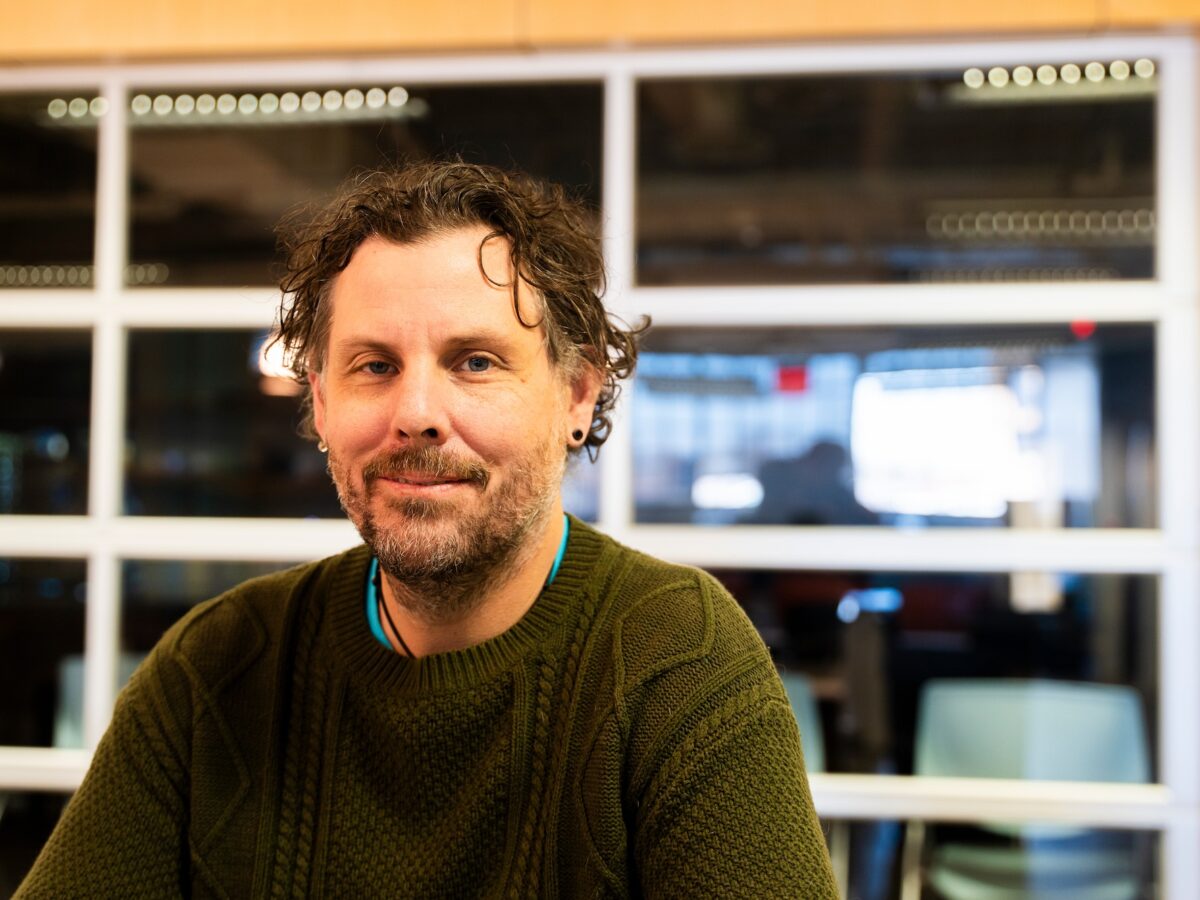
For one environmental educator, nature became a path to healing — and to Detroit
Brad Armstrong grew up finding refuge outdoors when home wasn’t safe. Now in Detroit, he’s exploring how nature, healing, and community information can work together.

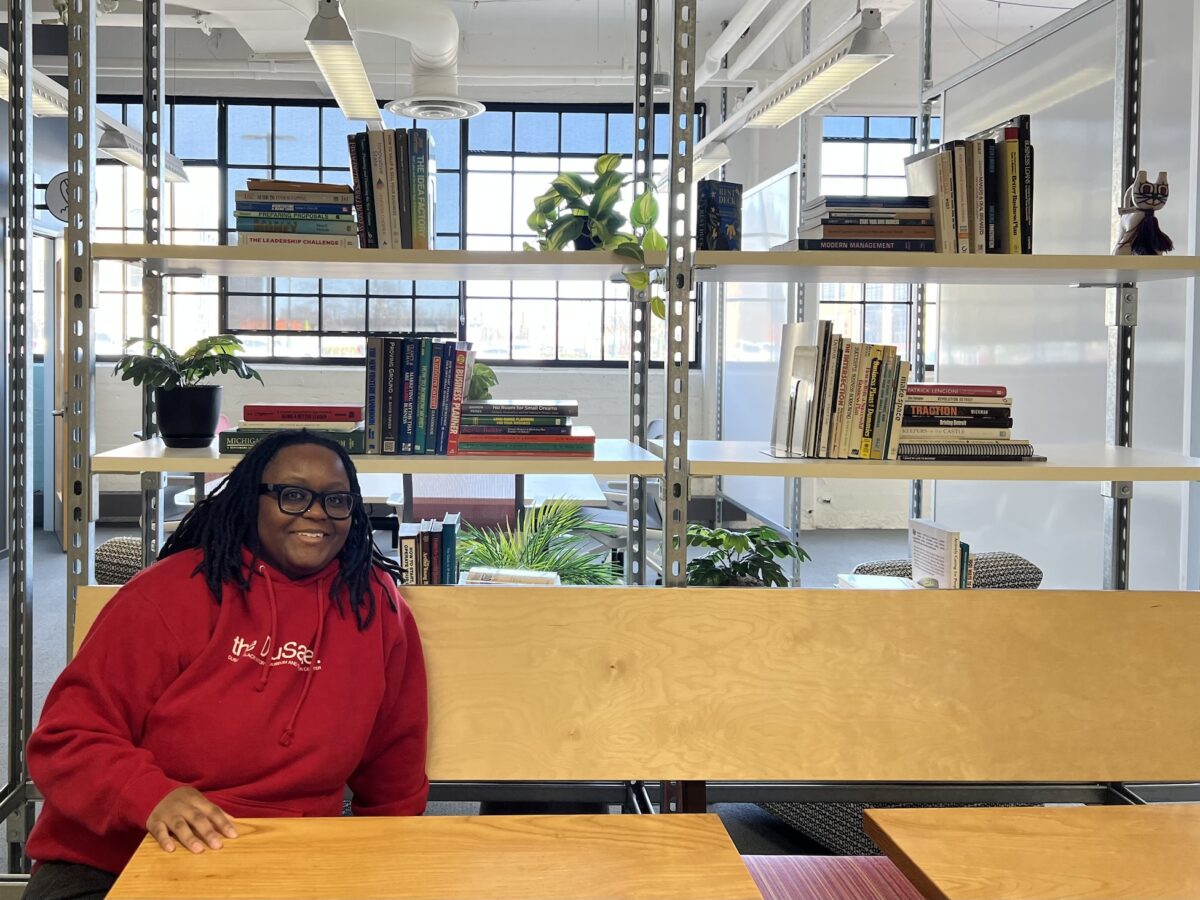
From homeless shelters to state government: How one Detroiter connects the dots on housing, health, and equity
Eboni Williams has built a career connecting Detroit’s most urgent challenges — homelessness, affordability, and civic engagement — through frontline service, international experience, and now state government work.

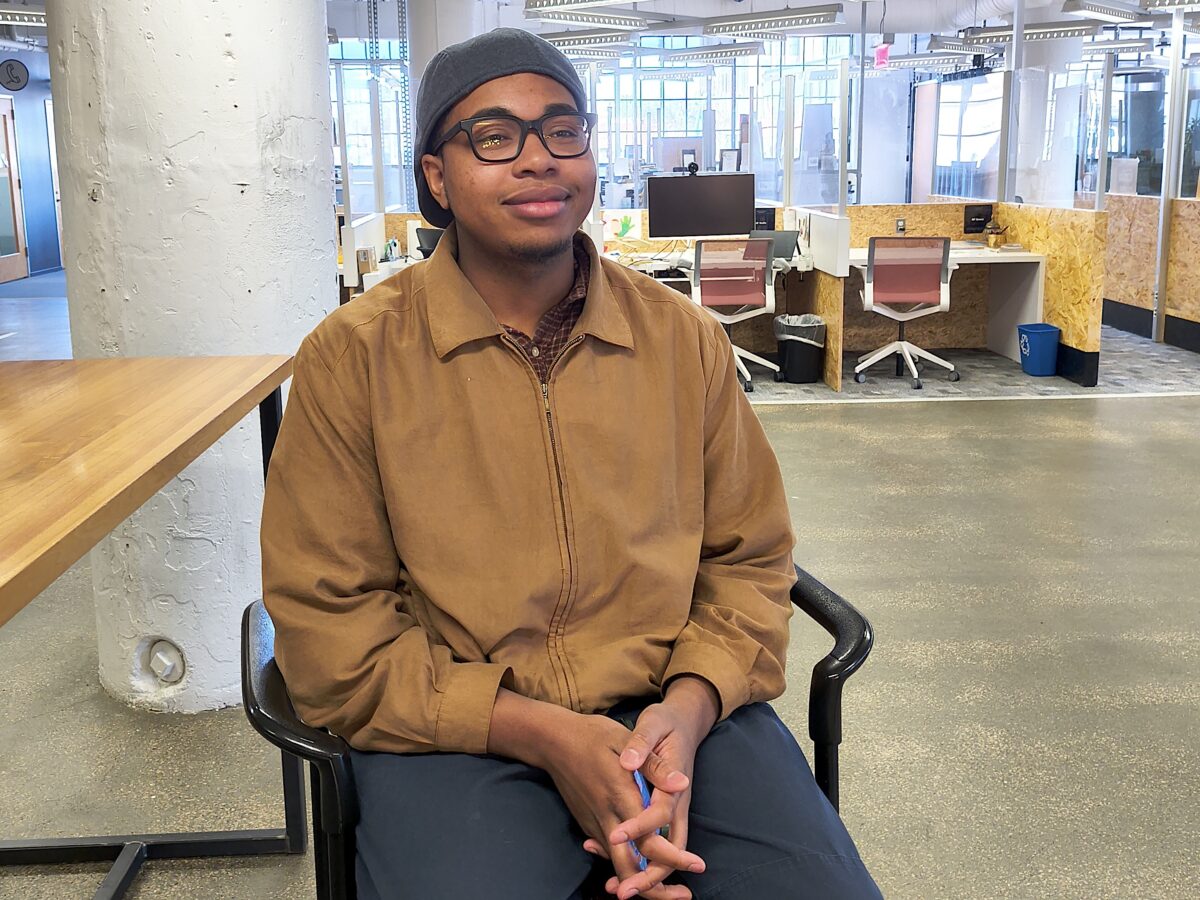
Southwest Detroit lacks green spaces, but one student is working to change that
Zayd Walid, a Wayne State environmental science student, grew up without public parks in his Southwest Detroit neighborhood. Now he’s studying air quality and urban green space to help the next generation.

Search
RECENT PRESS RELEASES
Related Post