Xiaomi gets approval to build extended-range EVs, plans full-size SUV to rival Li Auto
June 11, 2026
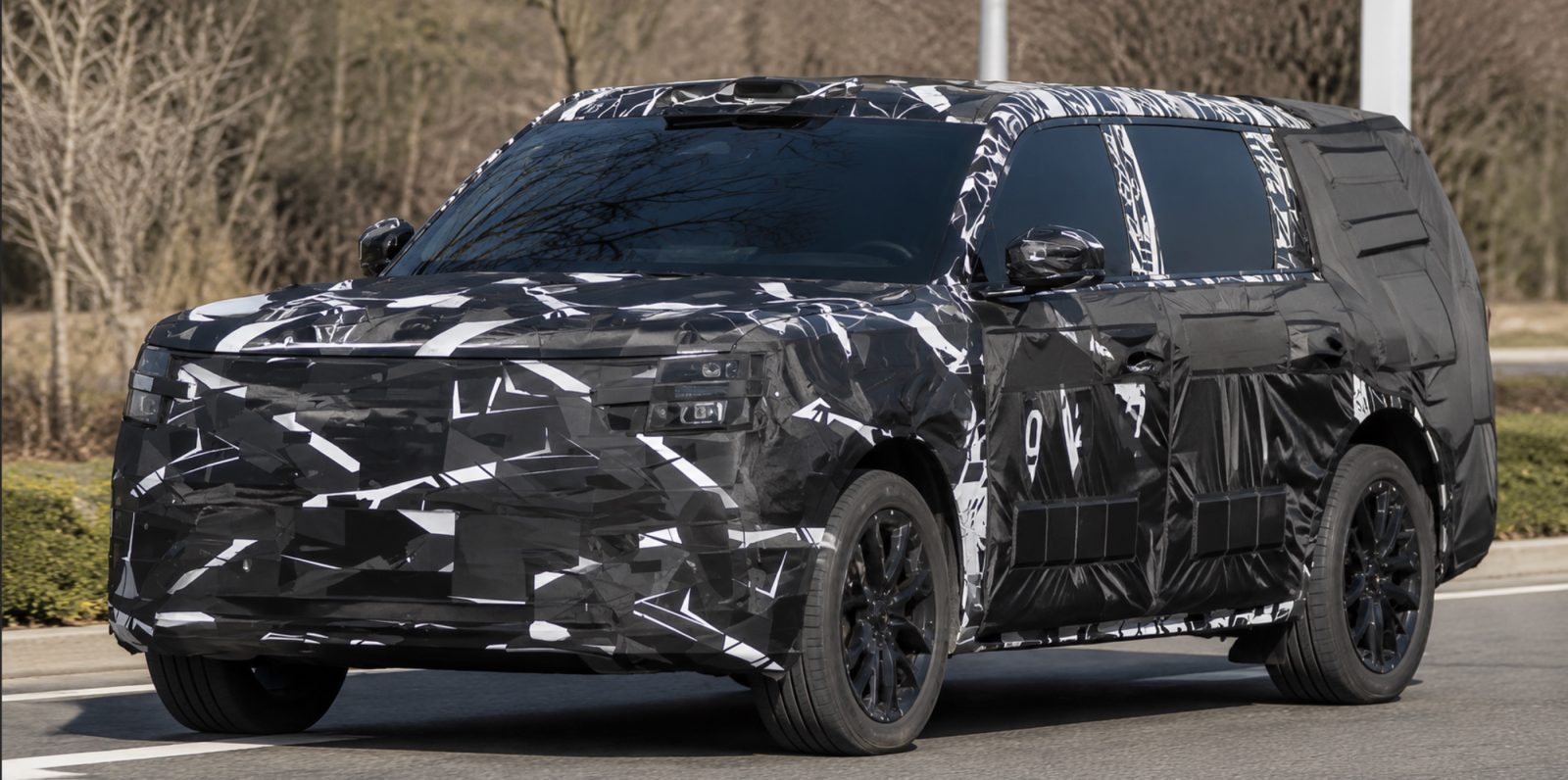
China’s Ministry of Industry and Information Technology (MIIT) granted Xiaomi regulatory approval to produce extended-range electric vehicles (EREVs), clearing a key hurdle for the company’s expansion beyond battery-only EVs.
The approval paves the way for Xiaomi’s first range-extended model — a full-size SUV codenamed “Kunlun N3” that measures over 5.3 meters long and targets Li Auto’s dominant L9.
Until now, Xiaomi has sold only battery electric vehicles: the SU7 sedan, which outsold the Tesla Model 3 in China earlier this year, and the YU7 SUV that undercuts the Tesla Model Y by $4,350.
Adding extended-range powertrains is a strategic pivot. EREVs, which pair a battery pack with a small internal combustion engine that acts as a generator, have become enormously popular in China, particularly for large family SUVs where range anxiety remains a barrier.
Advertisement – scroll for more content
The MIIT filing was published Wednesday, with a public comment period running through June 17 before final approval.
According to Chinese media outlet 21jingji, the first extended-range model carries the internal codename “Kunlun N3” and could launch under a new sub-brand called Skynomad, targeting the family-oriented SUV segment that Xiaomi’s sporty SU7 and YU7 don’t address.
Here are the key specs reported so far:
- Length: Over 5.3 meters (full-size SUV territory)
- Battery: 70+ kWh pack
- Pure electric range: 400–500 km (CLTC)
- Powertrain: Range-extended (small ICE generator + electric drive)
- Battery suppliers: Sunwoda (60% of supply) and CALB (40%)
- Launch: Second half of 2026
Xiaomi president Lu Weibing confirmed on the company’s Q1 earnings call that a new “mid to large-size model” built on a completely new platform will launch in H2 2026, with “multiple derivative versions.”
The target is clear: Li Auto and Huawei-backed Aito, which together dominated China’s extended-range SUV market in 2025, capturing seven of the top 10 best-selling EREV SUVs.
Li Auto just launched its updated L9 flagship in May with a 72.7 kWh battery, 420 km of pure electric range, and a combined range of 1,650 km — priced from 459,800 yuan ($67,600). But the L9 has been struggling: deliveries plunged 74% year-over-year in the first four months of 2026, totaling just 4,131 units.
Huawei-backed Aito’s M9, meanwhile, remains the top-selling luxury car in China above 500,000 yuan for two consecutive years, with cumulative deliveries exceeding 280,000 units. Its updated version secured 50,000 pre-orders before even launching in May.
Xiaomi’s Kunlun N3 appears positioned to slot below the M9 in price while competing directly with the L9 on size and capability. With a 70+ kWh battery offering 400–500 km of electric range, the specs are competitive with both.
The EREV push is part of a broader product blitz. Xiaomi plans to launch four new models in 2026: the refreshed SU7 with 902 km range, an SU7 Executive Edition, and two extended-range SUVs (five-seat and seven-seat variants).
The company set a 2026 delivery target of 550,000 units, up 34% from the roughly 410,000 it delivered in 2025. But the pace so far suggests that target is ambitious: January through May deliveries totaled 150,317 units, up just 13.5% year-over-year. Xiaomi delivered 32,759 vehicles in May alone — a 17% year-over-year increase but a 10.7% decline from April.
Getting two entirely new EREV models to market in the second half of the year would be an aggressive timeline, but it’s exactly the kind of volume boost Xiaomi needs to close the gap on its annual target.
Xiaomi moving into extended-range vehicles makes a lot of sense. The company has proven it can build compelling pure EVs — the next-gen SU7 with 902 km of range is genuinely impressive, and the YU7 just set the Nürburgring SUV record. But there’s a massive segment of Chinese buyers who want large family SUVs with 1,000+ km of combined range, and pure BEVs still can’t fully serve that need.
The “Skynomad” sub-brand approach is interesting. It signals Xiaomi wants to separate the sporty, tech-forward identity of the SU7/YU7 lineup from the family-oriented positioning of the EREV models. Li Auto built its entire brand around the family SUV niche, and competing head-on under the same Xiaomi umbrella could dilute the brand’s identity.
If you’re looking to cut your own energy costs, home solar remains one of the smartest investments you can make. With electricity rates climbing nearly 10% last year, home solar protects you against future rate increases. And with lease and PPA options, you can go solar with zero upfront cost and start saving immediately. If you want to find the best deal, check out EnergySage. It’s a free service with hundreds of pre-vetted installers competing for your business, so you save 20 to 30% compared to going it alone. No sales calls until you pick an installer. Get your free quotes here.


Search
RECENT PRESS RELEASES
Related Post