Youth and cannabis: What’s the risk?
March 8, 2026
Local NewsMarch 8, 2026
Cannabis sales have surged in Washington since legalization in 2012, but educators, police and health experts say questions remain about effects on young users
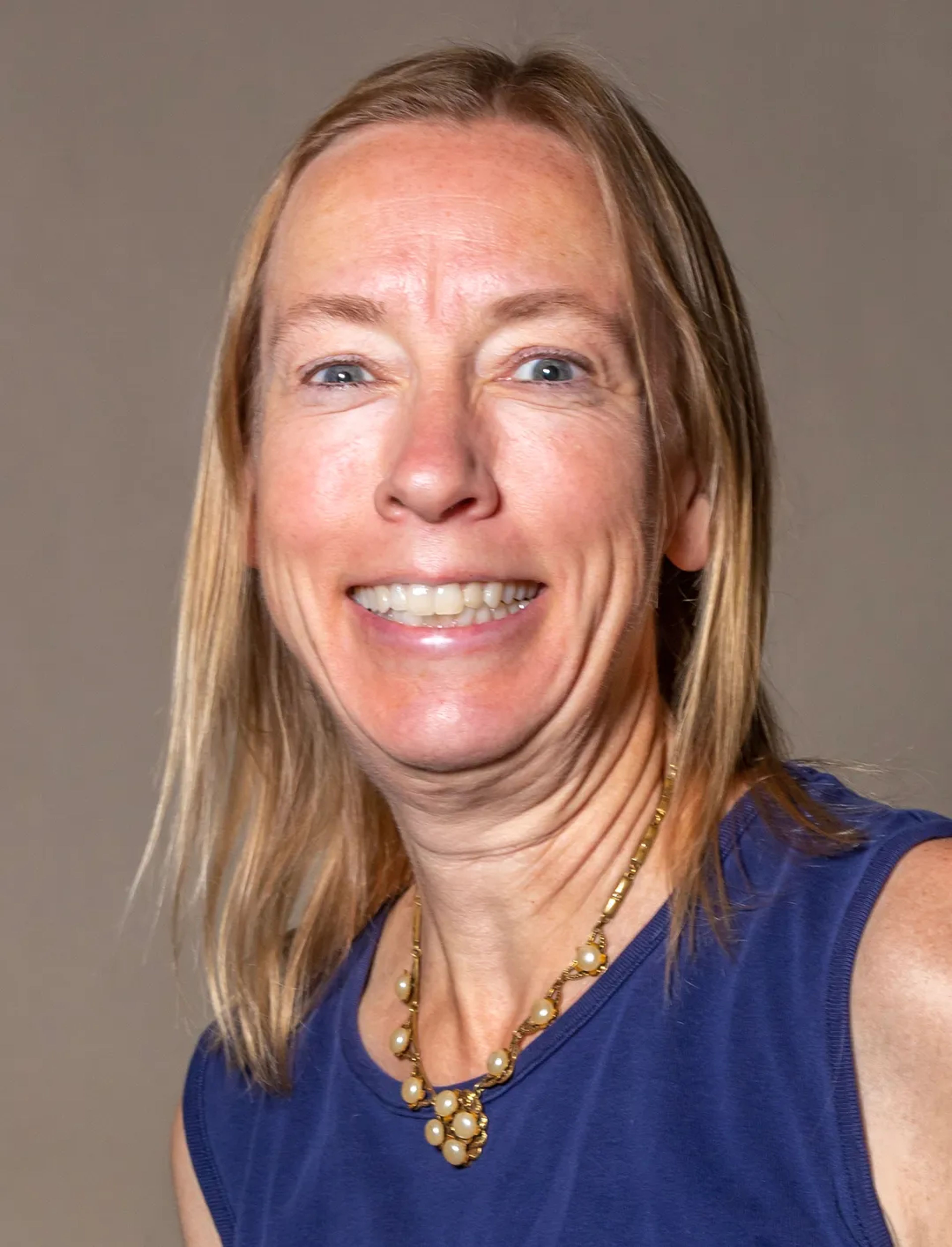
This article was produced as a project for the USC Annenberg Center for Health Journalism’s 2025 Data Fellowship.
Paige Valpey’s cannabis use began with what she perceived as a low-risk way to escape the angst of being a 13-year-old girl and bonding with friends.
She first smoked cannabis with friends after school, stealing the drug from a stash belonging to adults who weren’t home, said Valpey, who is now 28, nine months sober, a licensed esthetician, owner of a thriving business and a wife.
In hindsight, Valpey believes her habit, among other things, hurt her grades, curtailed her participation in school activities, triggered fatigue and caused anxiety.
Valpey started using cannabis in the Lewiston-Clarkston Valley before recreational sales became legal in Washington in 2012. But she said she found more access to the drug once cannabis stores opened in Clarkston even though she never purchased it from one of the state-licensed retailers when she was underage.
Information Washington state agencies have collected and research they have completed since recreational sales of cannabis became legal indicate the drug can be related to troubling issues for adolescents and teens who use it, like Valpey did.
Impaired learning for as long as 28 days after the last hit for weekly users and suicidal ideation for daily users are among the health conditions adolescents could encounter, according to the website of the Washington State Liquor and Cannabis Board.
A decrease in perceptual reasoning after one or two uses, along with an increase in the likelihood for generalized anxiety are noted in one state study.
Despite the potential risks, monitoring health impacts of cannabis on adolescents has gaps. Meanwhile, legal sales of the drug skyrocket and some worry the product is getting into the hands of teens through indirect channels.
The parameters of legal cannabis
Total annual sales in Asotin County’s three retail cannabis stores were four times larger in 2024 compared to the first full year of legal sales in that jurisdiction more than a decade ago, after adjusting for inflation. Overall state sales rose by 87%. (See accompanying graphic.)
Lewiston and Clarkston police believe teenagers are using some of that cannabis, even though retailers comply with a ban on sales to anyone under the age of 21 and a Washington state survey shows a decline in youth use.
In contrast, Matt Plemmons, an owner of Greenfield Cannabis in Clarkston, thinks legalization has not made cannabis more accessible to adolescents and teens.
“Legalization has made it safer,” he said. “We developed a highly, strictly regulated market that checks everybody’s IDs, every time, no matter what. Illicit dealers did not check. They didn’t care if you were not 21 years old.”
If teenagers are hanging around his business, employees call law enforcement, Plemmons said.
Youth cannabis prevention should be a collaboration of “everybody, parents, schools, health care providers and state regulators,” Plemmons said. “The industry side is strict compliance (with all state laws).”
Still, the safeguards Plemmons described don’t stop young people from paying adults to buy cannabis from the state stores or stealing cannabis from adult relatives and friends, said Clarkston police officers, educators and students.
A sign posted outside Canna4Life Cannabis Dispensary in Clarkston warns that the penalties for adults purchasing cannabis for minors are as much as 10 years in prison and a $10,000 fine. But prosecutions in Asotin County for the felony are infrequent, likely between six to 12 cases since 2000, said Asotin County Prosecutor Curt Liedkie.
Obtaining evidence is difficult. Kids typically don’t come forward. Absent officers witnessing transactions or finding text messages, the cases are challenging to prosecute, he said.
“We take it very seriously,” Liedkie said.
That reality is widely known in the Lewiston-Clarkston Valley, where Asotin County’s three stores are within a 10-minute walk of CHS, said Caden Massey, coordinator of Clarkston EPIC (Empowering People Inspiring Change), a Washington state-funded program.
Massey’s group made the signs posted at Canna4Life, one of its many efforts to help teens struggling with mental health and academic issues.
“I know people who have purchased weed for younger people, and their perception is ‘Nothing is going to happen. I’m of legal age,’ “ Massey said.
All of the stores are at least 1,000 feet away from schools, libraries, parks, daycares and arcades, in compliance with state rules, and even closer to the police department, making it easy for officers to monitor the retailers, Plemmons said.
The physical separation of the stores from places where teens gather is just part of the issue.
Teenagers who are curious, but who haven’t used the drug, window shop the retailers online, browsing hundreds of products, and then tell whoever is buying for them exactly what they want, said one Clarkston High School student.
Once again, Plemmons has a different take. Customers can only order products on his website, he notes. All purchases happen at the store where everyone is carded.
Parents and teachers can use the website as a resource to learn about cannabis to help them refine prevention strategies, he said.
“I’ve had teachers come (to Greenfield) and given them a full breakdown of what everything looks like,” Plemmons said.
In some families, teenagers obtain cannabis in their homes, said John Morbeck, a Clarkston police officer who was in charge of the community’s youth drug prevention program when state-licensed cannabis stores debuted in Asotin County.
Before that, everyone kept it out of sight, he said.
“(Parents) didn’t want their kids to go to school and say, ‘Hey, Mom and Dad are smoking pot.’ So it wasn’t available to (kids),” Morbeck said. “As soon as the legal part changed, that’s when stuff at the schools started increasing.”
The Washington CannaBusiness Association asserts underage access to cannabis is happening through a different route.
There’s a thriving illicit market online where kids can purchase untested, unregulated and untaxed cannabis products like hemp-derived THC, according to an email from the association.
Valpey’s experience mirrors what law enforcement shared.
She said she had more access to cannabis when the state-licensed stores opened even though she hadn’t turned 21 years old.
“If you had an older sibling or friend, you could convince them to go in and get it for you,” Valpey said.
Data is lacking
Just as it’s difficult to know how widespread access to cannabis from state-licensed stores is to teenagers and others who are underage through indirect channels, it’s also unclear the magnitude of any health issues caused by unauthorized availability of the drug.
Washington does not have a dedicated surveillance system that tracks the health impacts of youth cannabis in a systematic way, said Ryan McLaughlin, an associate professor at Washington State University who is co-director of the school’s Cannabis Research Center, in an email.
The lack of coordinated monitoring is widely acknowledged, McLaughlin said, and is a reason researchers at WSU and across the state emphasize the need for stronger public health tracking, particularly as the potency and variety of products have risen.
Plemmons agrees.
“Public policy should be informed by as much reliable data as possible,” Plemmons said. “That will help regulators refine our strategies to prevent use among minors.”
One effective strategy, Plemmons said, is distributing free lock boxes to customers at cannabis retailers, something EPIC sponsors.
While Washington lacks comprehensive data, the statistics that exist for Asotin County are encouraging, showing that the number of teenagers and adolescents with experiences like Valpey’s have declined since legalization, said Beth Conlan, program manager at the Asotin County Health District.
Washington’s Healthy Youth Survey showed a decline in Asotin County and Washington state for key indicators, such as access to cannabis, current use and lifetime use for high school sophomores and seniors between 2010 and 2023, the most recent year statistics are available, Conlan said.
The situation in Idaho
In Idaho, the data about the impact of cannabis on teenagers and adolescents following cannabis legalization in neighboring Washington is even less robust.
Idaho’s Healthy Youth Survey reported data in three regions of the state, not county by county.
North Idaho and north central Idaho, where Lewiston is located, are combined into a single area, which includes Moscow and Coeur d’Alene.
Those statistics showed that kids who said their closest friends had used cannabis declined from 16% in 2017 to 11% in 2021 while usage remained relatively steady in Lewiston’s region.
At Lewiston High School, the drug is being found more often than before legalization, but confiscations at the school remain infrequent, according to a Lewiston Tribune records request from the Lewiston Police Department.
Law enforcement took four dab pens, three cartridges and one used joint from the school’s 1,300 students in 2025, compared with four grams in 2013 in two cases, when unlike now, freshmen were at the district’s two junior highs.
The data shows only part of what’s happening, said LPD School Resource Officer Katherine Whitlock in an email.
More students are using, she said.
The dabs contain higher concentrates of THC and are longer lasting. They are also more difficult to find, smell and see, compared with joints or buds, which have aromas that tattle on the users, Whitlock said.
Similarly, edibles have hardly any smell, providing little indication that someone has eaten them, she said.
“It’s a frustrating battle, but I am willing to fight,” she said.
The district is proud of the job officers from Nez Perce County and LPD are doing to keep drugs out of schools, said Lewiston School District Superintendent Tim Sperber in an email.
Similar data isn’t available in Asotin County.
The risks for young people
Educators and health care professionals are working to keep cannabis use as low as possible, Conlan said, in no small part because of the seriousness of the potential risks of the drug researchers are documenting.
That work can be difficult, she said, because the risks don’t always deter teens and adolescents from using cannabis.
Take Valpey. The first time she used marijuana, the smoke triggered a coughing fit before something else happened.
“I was laughing and I was with my friends, just having a blast,” she said. “Her parents aren’t home, so we’re just like ‘This is free will.’ ”
Soon, smoking marijuana with her friends after school was part of her routine.
“Once you get that initial high, you start looking forward to it,” she said. “You’re in seventh grade and you’re like ‘School is boring.’ And I was like, ‘There’s this really exciting thing.’”
What research has found so far about the health impacts, Valpey said, mirrors what she went through. She now wonders how widespread that experience is.
Looking back now that she’s sober, Valpey believes that in just months, cannabis had profoundly changed her, something she didn’t grasp at the time.
Her grades fell to D’s and C’s with some B’s. “I was doing the minimum to scrape by and pass,” she said.
After legalization, Valpey switched to a dab pen, a product that hadn’t been widely available, which she filled with THC concentrate instead of smoking joints or taking bong hits. It was small enough to fit into her purse.
The comparatively mild smell dissipated quickly, which, Valpey said, turned her cannabis use from a social event that involved planning to a solo activity.
“It became a point where you’re hitting it all day, everyday, constantly, not even giving your body a break,” she said.
After high school, Valpey took classes to become a dental hygienist then worked as a barista and a restaurant server. She eventually found her career as a certified medical esthetician.
Her job was an important catalyst in her decision to give up cannabis, Valpey said.
The more she helped her customers have healthy skin, the more, Valpey said, she thought about her own wellness, which felt as if it was declining, in spite of normal bloodwork results at her annual physicals.
“I felt like I was stumbling over my words even if I was sober,” Valpey said. “I was fatigued and tired all the time. … I would be a ball of stress over literally nothing.”
When she did downward dog at yoga classes, she would begin coughing from the phlegm that gathered in her lungs.
Those symptoms aren’t as severe as some associated with frequent cannabis use, such as suicidal ideation, delusions and schizophrenia, according to the Washington State Liquor and Cannabis Board.
That’s a kind of spiral that Massey has witnessed with people using high concentrated THC in dab pens.
“Every aspect of their life takes a massive dive,” Massey said. “Their whole life can essentially fall apart. Without intervention, they might give up on trying to pursue a career, trying to find a love interest and trying to hang out with peers.”
Yet Valpey’s milder symptoms were worrisome enough to prompt her to think about quitting, considering it for a year before she stopped cold turkey.
It’s a choice she hopes will be more defining than the one that seemed so effortless in middle school.
Many of her challenges worsened for about six weeks before they stopped. After rarely dreaming for years, she experienced nightmares. One day she started crying for no apparent reason and couldn’t stop.
The strength she found in those moments to abstain from cannabis is part of a new version of herself that’s emerging that she likes.
“Nothing is as scary,” Valpey said. “I feel like I can have hard conversations, do the harder things and put myself out there more.”
Last summer, she received an invitation to promote her business at an event, something that a year earlier she would have declined over worries she would fail.
“It feels good to even make it nine months,” Valpey said. “That’s what keeps me going. I don’t want to relapse. … I like being more outgoing. My health is improving day by day.”
Williams may be contacted at ewilliam@lmtribune.com or (208) 848-2261.
Search
RECENT PRESS RELEASES
Related Post