Smart EV 2026 | Wu Zhen: Auto Industry Faces Structural Transformation
April 15, 2026
Gasgoo Munich- Speaking at the Smart Electric Vehicle Development Forum (2026) on April 12, Magna China President Wu Zhen argued that the auto sector isn’t riding a short-term cycle—it’s undergoing a systemic reset. This reset, she explained, touches on development rhythm, architecture, and the rules of industrialization. Wu also shared her core assessments and practical insights on navigating the upheaval.
The industry faces a gauntlet of challenges: cost-cutting pressure, localization trends, trade frictions, and the upheaval in AI and robotics. The widespread asset impairments and restructuring across the sector, Wu noted, confirm this is a structural transformation. In her view, a company’s core competitiveness stems from a clear-eyed assessment of real-world constraints, early alignment on critical decisions, and robust execution.
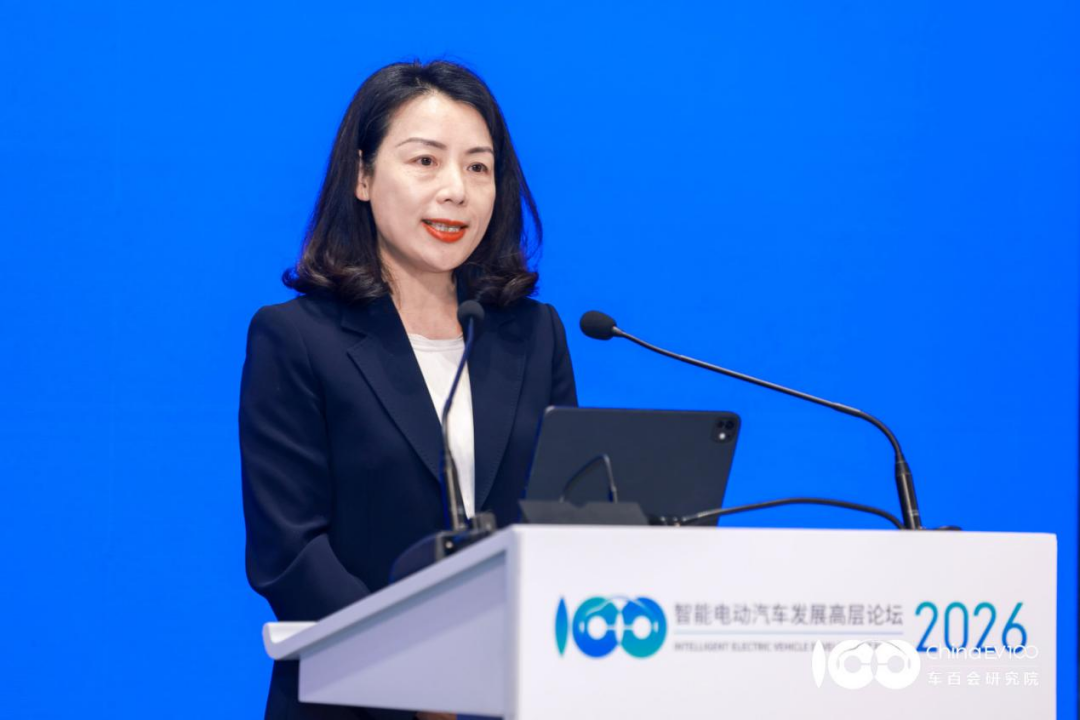
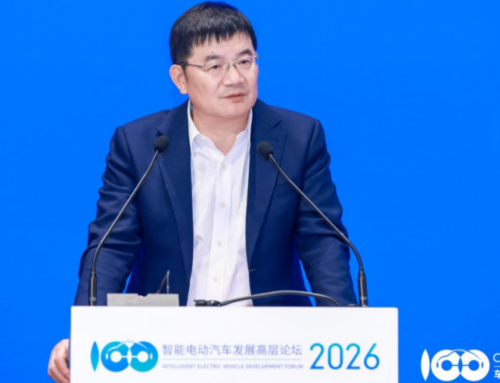
Magna China President Wu Zhen; Image Source: China EV 100 Research Institute
Mapping the industry’s evolution, Wu outlined four key assessments. First, speed is now the baseline for competition; traditional linear development is giving way to flatter, parallel processes, drastically compressing development cycles. Second, the focus has shifted from optimizing individual components to optimizing the entire system—simplifying through integration to simultaneously reduce cost, weight, and development time. Third, software-defined architectures are challenging traditional fragmented designs, placing higher demands on system integration capabilities. Fourth, robust industrialization must be planned early in the product design phase, not treated as a later-stage optimization.
Drawing on frontline experience, Wu concluded that cross-domain system integration cuts complexity and risk, while parallel progress and front-loading manufacturing can shorten development cycles. Scale and execution, she added, are what ultimately determine whether innovation takes hold. To navigate cost pressures, she emphasized relying on early architectural decisions—leveraging platforms and reducing variants to unlock scale effects.
Addressing the trend of Chinese automakers expanding overseas, Wu noted that only partners possessing systemic capabilities and a global footprint can achieve efficient localized production. In closing, she argued that future industry growth must focus on four pillars: speed, value, software, and industrialization. Building an ecosystem where system design and manufacturing are tightly linked is essential, and Magna stands ready to collaborate across the supply chain to support the high-quality, sustainable development of China’s auto industry.
Search
RECENT PRESS RELEASES
Related Post