A family found cannabis helps their autistic son, and they want it to help others
April 30, 2026

A family found cannabis helps their autistic son, and they want it to help others
About 600 Massachusetts families have turned to medicinal marijuana to treat autism, according to a doctor who wrote a book on cannabis treatment.
About 600 Massachusetts kids with autism use medical marijuana. The family of one patient told us that years of bad experiences led them to a cannabis farm, where things changed for the better.
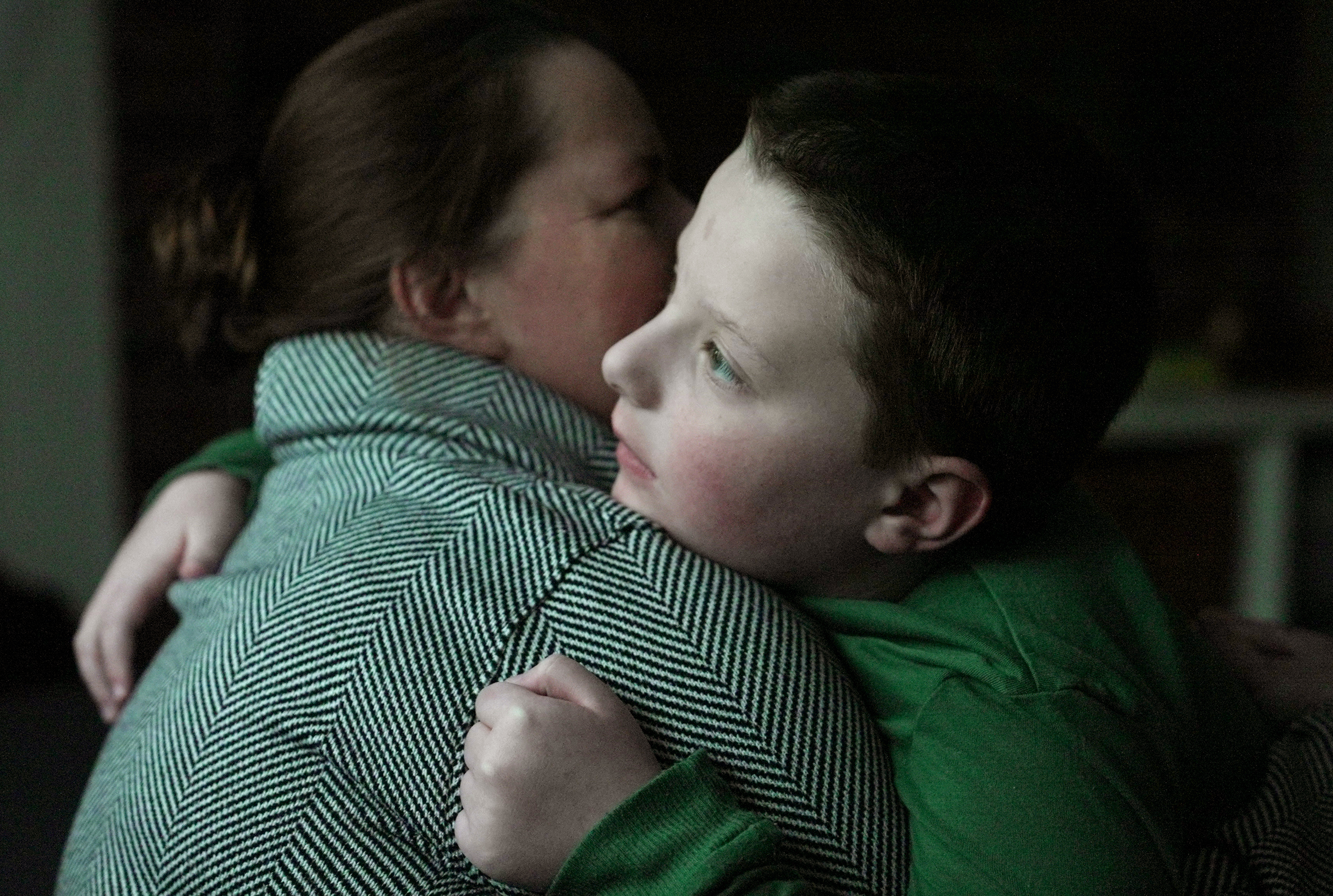
Marie Myung-Ok Lee says her son Jason was the youngest person in the country to have a medicinal marijuana license.
Leaving in Rhode Island at the time about 15 years ago, when he was 9, she said the drug was necessary to treat Jason’s autism, which included sporadic bouts of violence towards others, even self-harm. He was also non-verbal.
 WATCH HERE
“My husband had to get plastic surgery because Jason took a big bite out of his face,” Lee said. “This is what we’re talking about.”
I have some families where the children didn’t talk at all – basically mute. And within a week or two weeks of using cannabis the kid is feeling comfortable speaking.
Dr. Ben Caplan
Today, Jason communicates effectively with a spell board and, with the help of an aide, is taking a class at a community college in New Jersey.
His mother tells NBC10 Boston it took years to find the right treatment options for Jason – a lot of experimentation – but when they discovered cannabis, in the right dosage, it was a life changer.
“I’m not saying this is any kind of cure, I’m saying he’s able to step into his best life,” Lee said.

Outpost/Spectrum
Outpost/Spectrum
About 600 Massachusetts families have turned to medicinal marijuana to treat autism, according to Dr. Ben Caplan, who wrote a book on cannabis treatment. He doesn’t believe cannabis should be the first treatment option, but if nothing else works, it’s sensible to evaluate alternatives.
“Why wouldn’t we consider it? We have to look at the risks and the benefits. And if the risks are mild and the benefits are astronomical, we’d be crazy not to,” Caplan said. “I have some families where the children didn’t talk at all – basically mute. And within a week or two weeks of using cannabis the kid is feeling comfortable speaking.”
Lee still treats Jason, now 26, with cannabis, and has partnered with others to develop a cannabis product called Spectrum. It’s grown at a farm in western Massachusetts and sold only at Massachusetts cannabis dispensaries.
It has been available for one month so far, and according to Lee, she’s getting positive testimonials from consumers.
A customer “drives up to the dispensary where she can get it in Massachusetts – this is before it became Spectrum – we told her which one to get and she bought like 40 bottles. We were like, whoa, lady, leave some for us.”
Spectrum is sold recreationally, which means it’s only available to adults. The only legal way for kids to be on cannabis is medicinally – through the state, with a prescription.
Search
RECENT PRESS RELEASES
Related Post