Can a Chinese Robot Actually Drive Better Than Tesla?
May 10, 2026
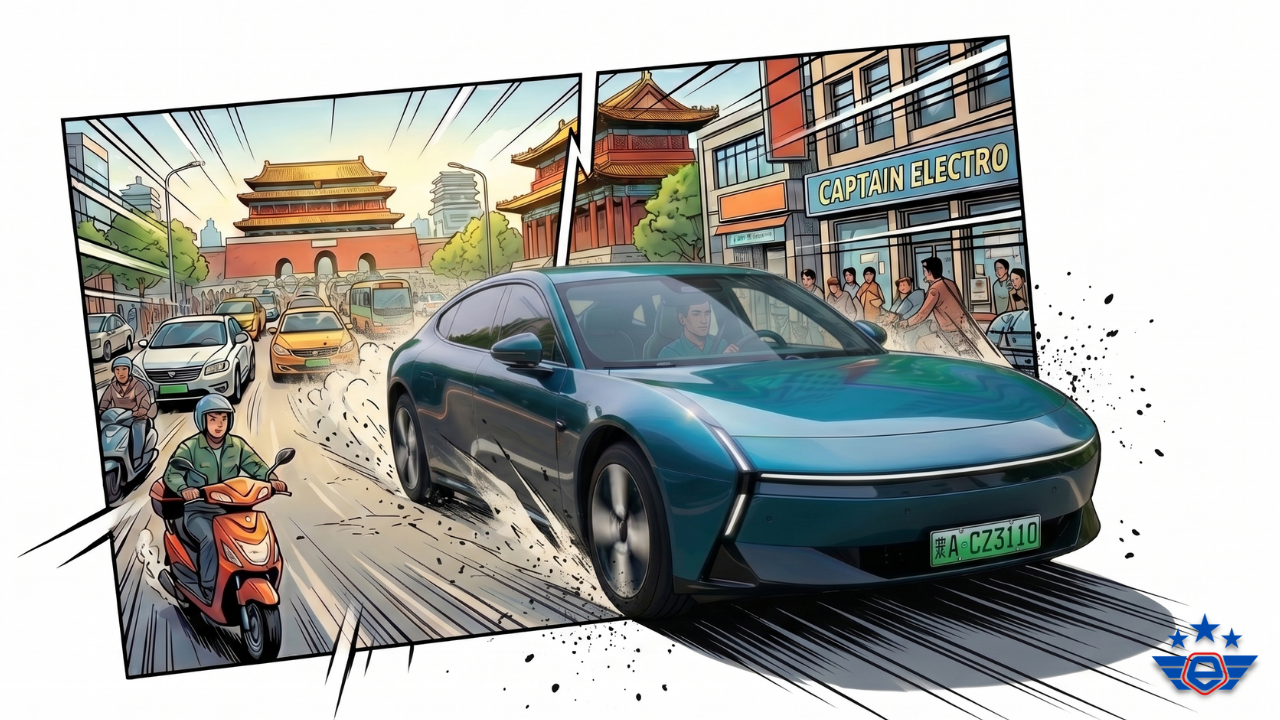
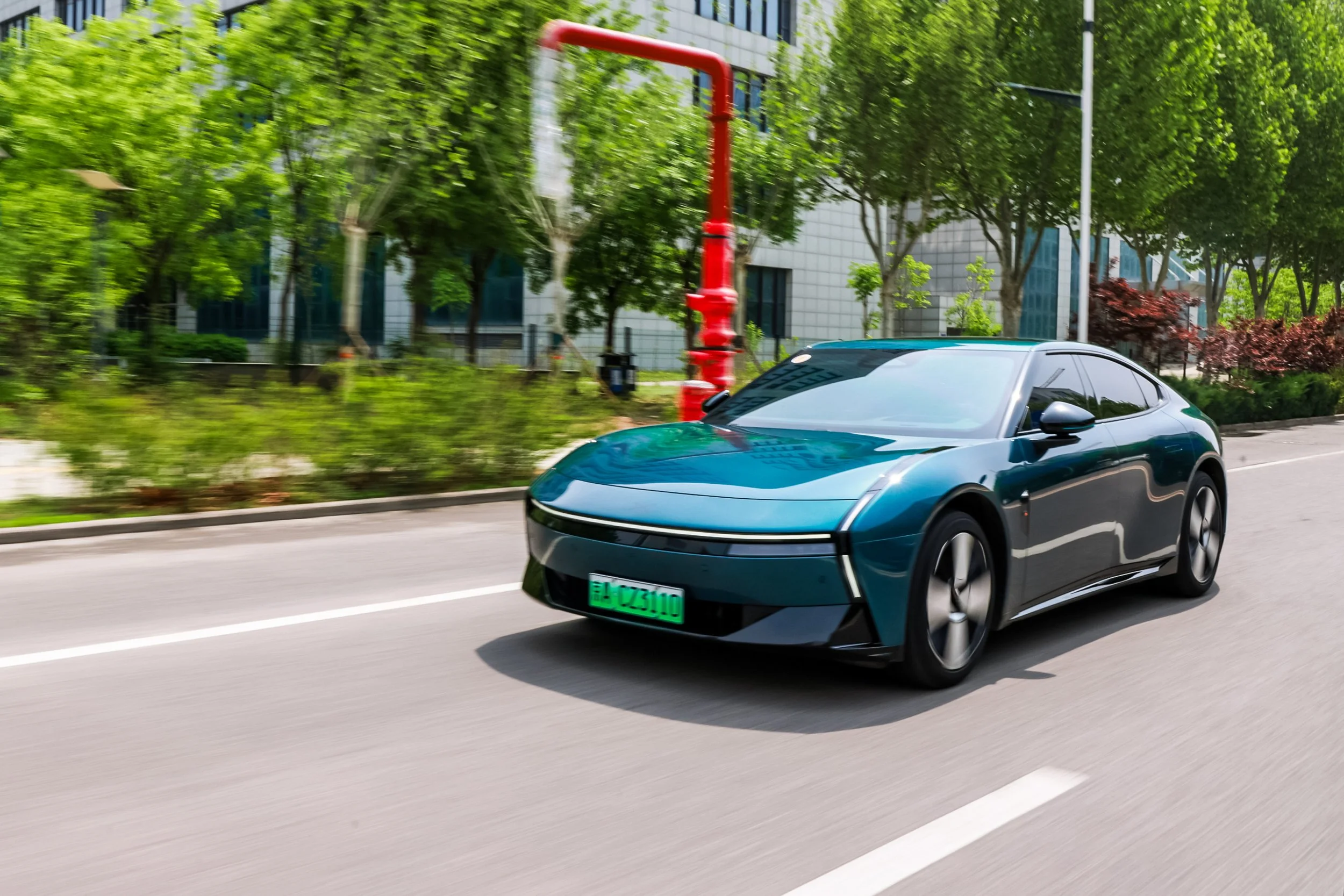
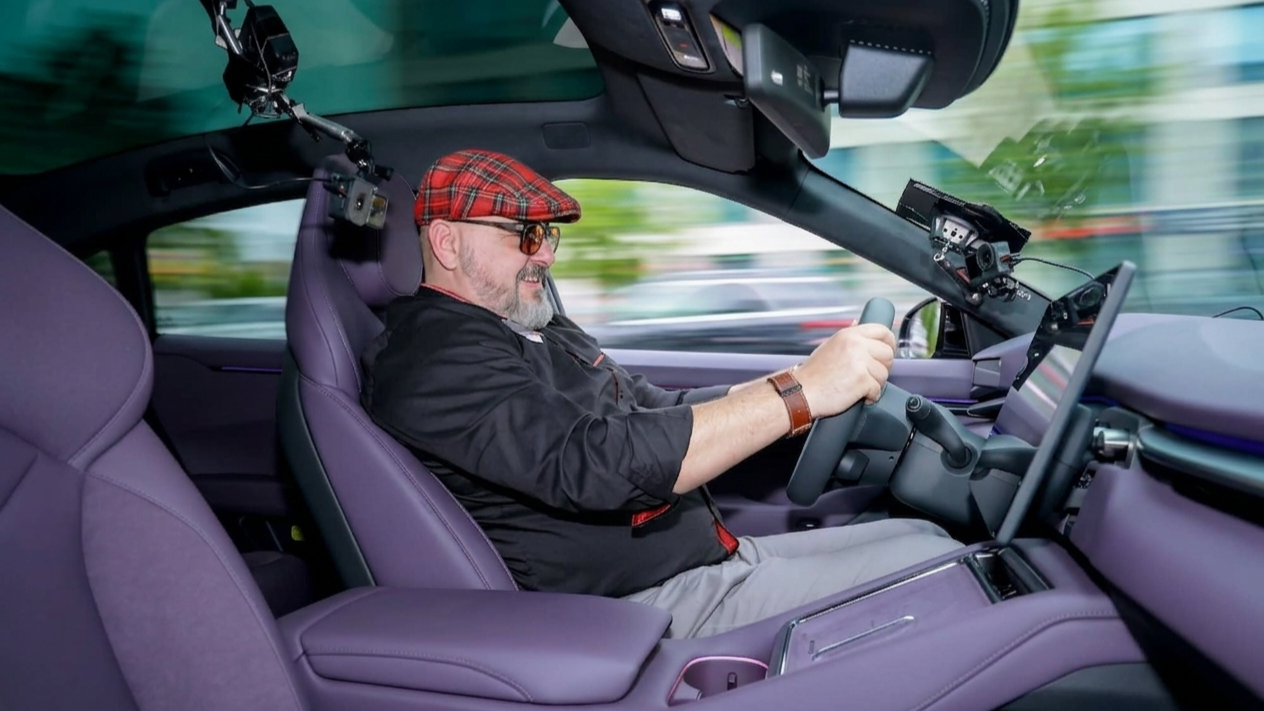
One thing I’ve learned in China is that Beijing traffic is not a commute. It is a contact sport. It is a swirling, honking vortex of chaos where signs and rules are treated as annoying suggestions. Leave a gap the size of a postage stamp – three mopeds and a bus will try to jump in. It is the last place on Earth you would want to hand the keys to a computer. Yet, there I was, sitting in the “Ultra” version of the new XPeng P7, prepared to see if this Chinese invention could survive the madness. At that very moment, I believed the chance of it becoming a very expensive heap of scrap metal was quite high.
The secret sauce here is something called VLA 2.0. That stands for Vision-Language-Action, and while it sounds like a boring university lecture, it is actually quite clever. In the old days – about twenty minutes ago in tech years – self-driving cars were like a committee of three grumpy old men. One looked at the road, one planned the route, and one moved the steering wheel. They rarely talked to each other, which made the driving feel jerky and nervous. VLA 2.0 binned all that. It uses one single “brain” that sees an image and decides what to do instantly.
To power this digital noggin, XPeng built a chip called Turing AI. It handles 2,250 TOPS of computing power. That’s apparently more processing grunt than a NASA control room. XPeng then fed this brain 100 million video clips of the world’s most terrifying driving moments. The result? A car that does not drive like a timid robot, but like a local who has had three espressos and a point to prove. It is pure dead brilliant, honestly.
I spent about forty minutes in the heart of Beijing, and the car did not need me once. In a city where drivers are more aggressive than a hungry terrier, the P7 stayed cool. It navigated intersections that looked like a scene from an action movie without breaking a sweat. Most autonomous systems resemble a shy teenager at a school dance – they wait for an opening that never comes. The XPeng, on the other hand, saw a tiny gap in fast-moving traffic, did the math, and just went for it. It was smooth, firm, and terrifying in its confidence.
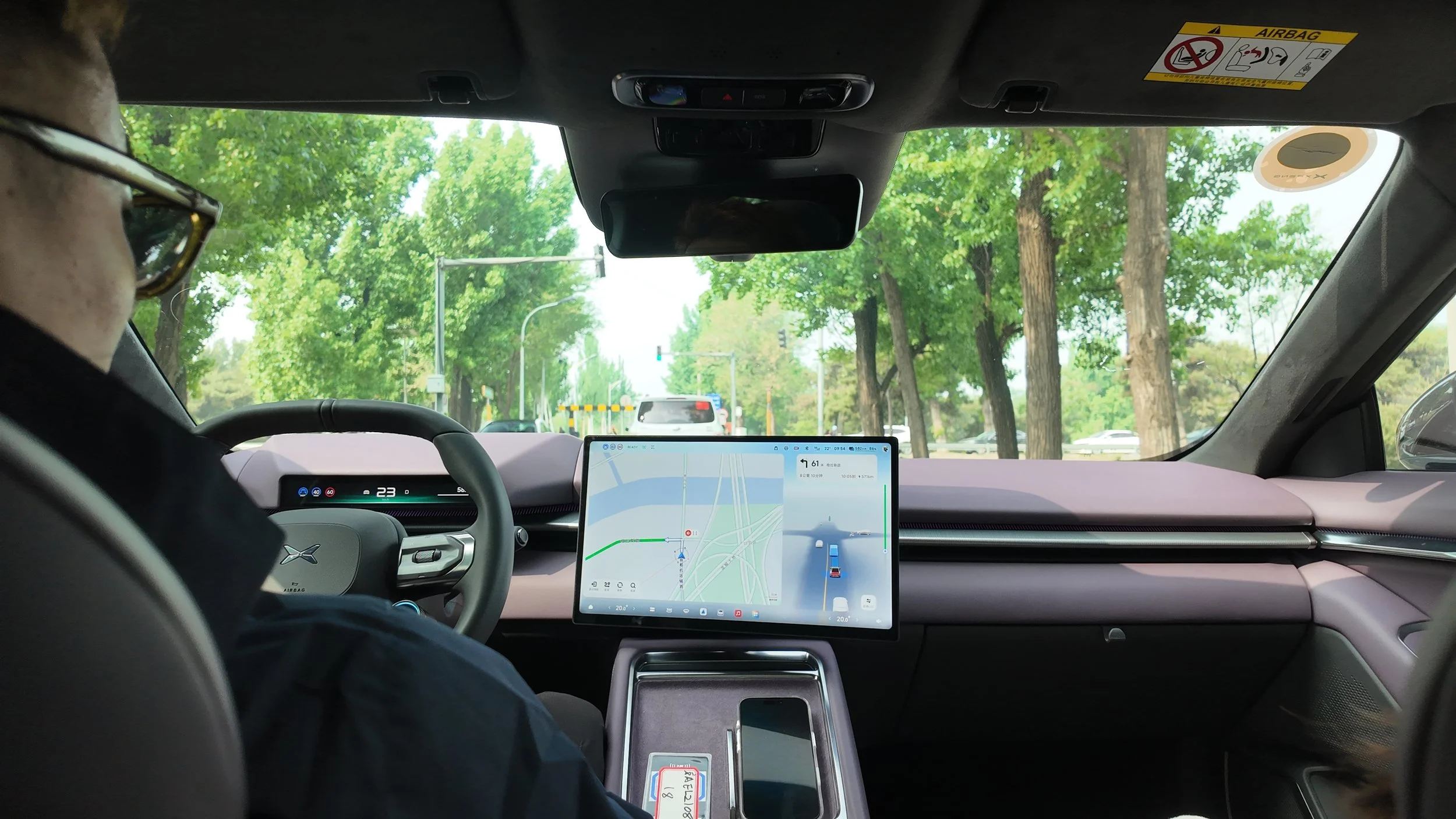
After the city, I took the car out to the sticks with absolutely zero planning. We found ourselves on narrow rural roads with no markings and potholes deep enough to swallow a sheep. Usually, a self-driving car would have a nervous breakdown here. But the P7 did something very human. Instead of hugging the right edge and hitting every bump, it sat in the middle of the road. It only moved over when it saw oncoming traffic.
One situation was enough to make my hair stand on end. We were emerging from a tiny rural road onto a massive five-lane road heading back to Beijing. Traffic was coming from at least three different directions – all at once. There were at least 30 scooters trying to squeeze past us, pedestrians fighting for their lives, and cars flying by well over the speed limit.
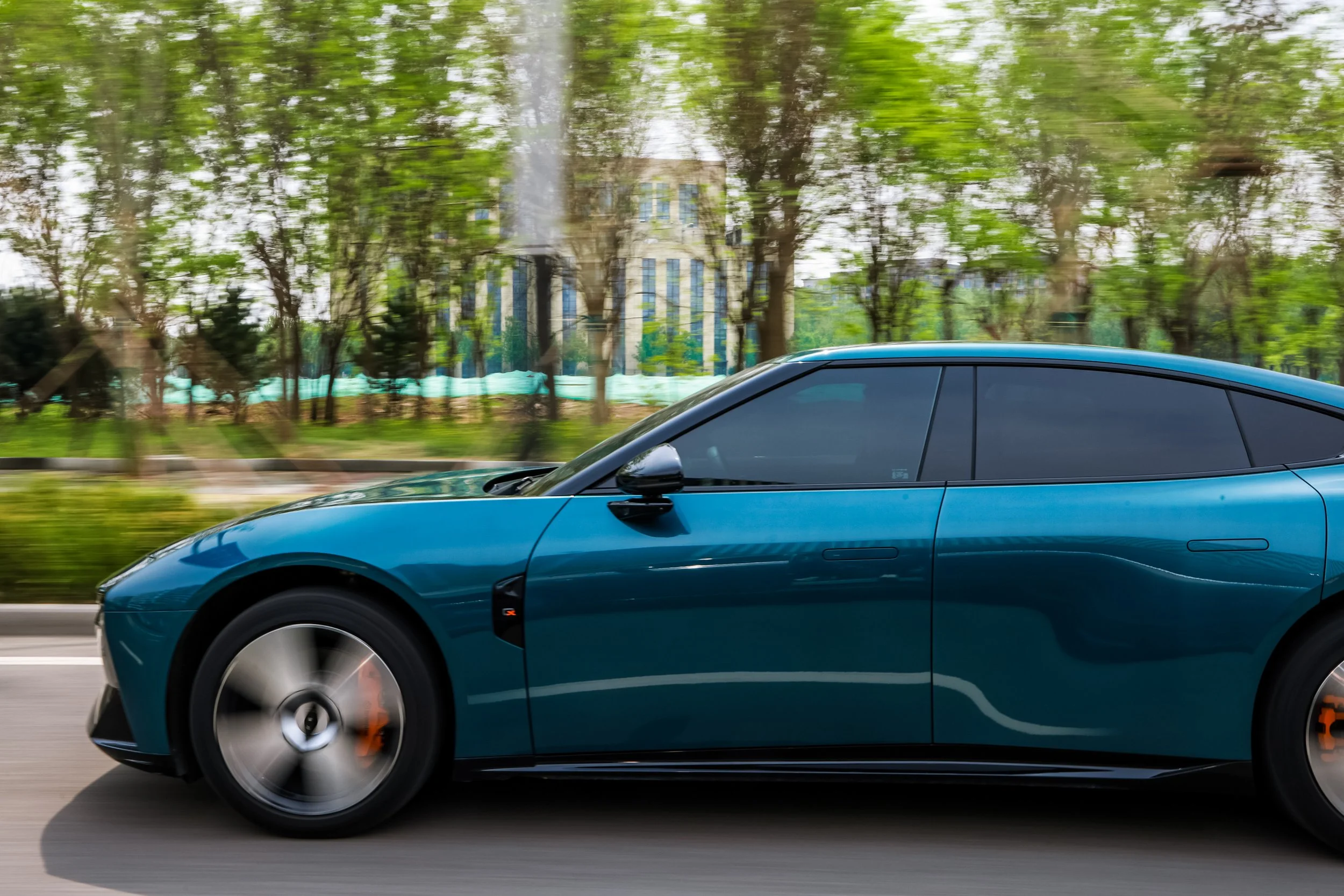
Honestly – it was a nightmare for an experienced human driver. I was holding my breath and getting ready to take over and probably cry. And yet, the P7 gently nudged forward, positioned itself perfectly for the inner lane, and then punched it like there was no tomorrow the moment it saw a gap big enough to join the flow. It was spectacular.
I remember when driving out of the city, we approached a blind bend with another scooter wobbling about, trying to avoid bumps and potholes. The P7 slowed down early, held back, and actually moved closer to the right edge of the road. This is exactly what a smart driver would do to see more of the road ahead when turning left. It gave the rider plenty of room, waited for a safe gap, and then bolted forward, giving the scooter plenty of room. It completed the overtake in a couple of seconds with zero fuss. It was uncanny – like watching a chauffeur who’s been doing the job for forty years.
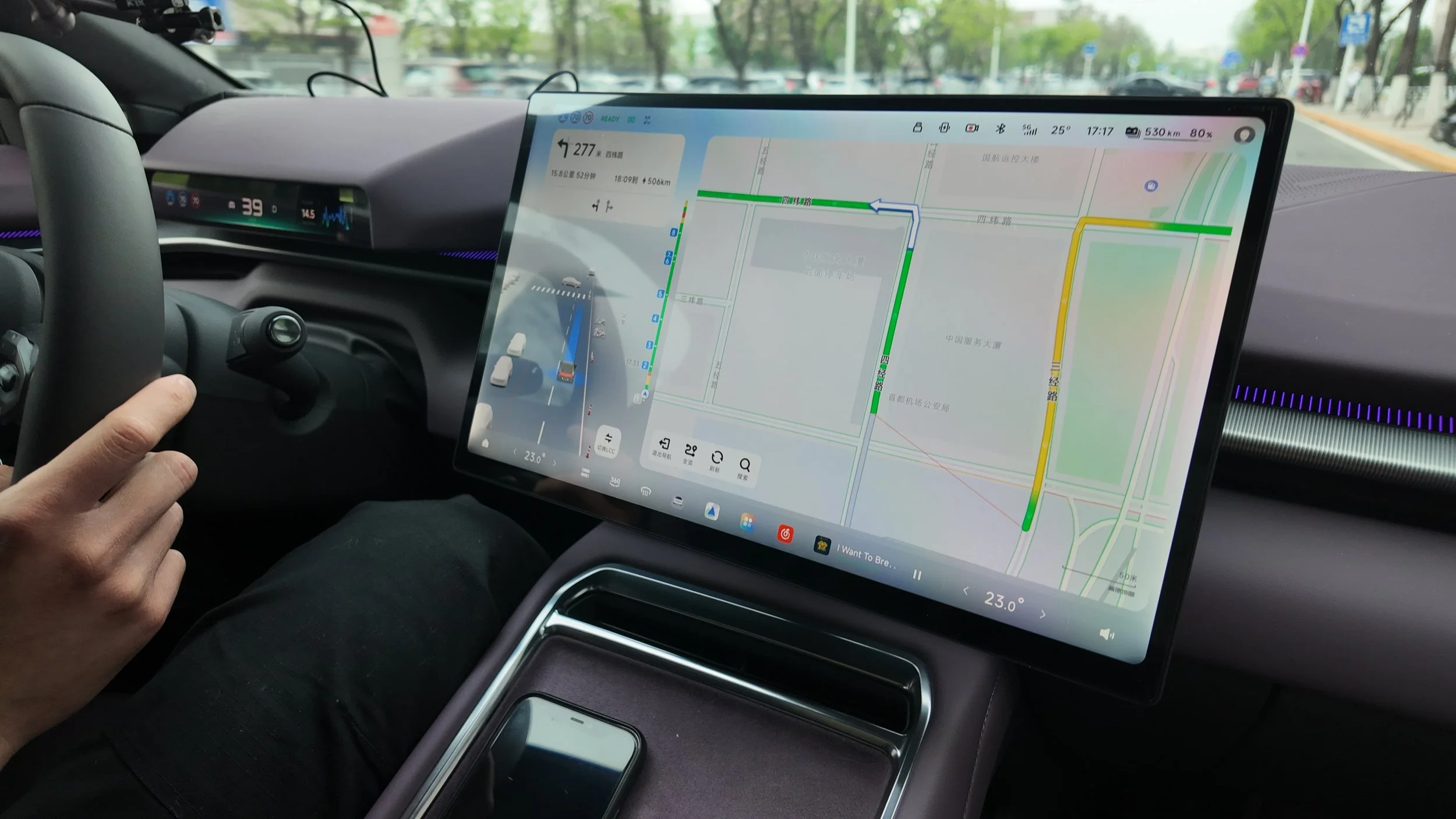
It’s that kind of “human-like” thinking that makes you stop worrying and start enjoying the ride. This level of learned behavior comes from what XPeng calls a “generative world model.” It is basically a massive video game where the car “drives” 18.6 million miles every single day. They have ramped up their testing from 30,000 scenarios a year to 500,000. The car makes all its mistakes in the virtual world, so it does not make them on your local high street. It is a bit spooky, but you cannot argue with the results. If it can handle a five-lane road with traffic coming from three directions and 30 scooters in the mix, it can handle your trip to the shops.
The rivalry in this industry is getting properly spicy. XPeng’s CEO, He Xiaopeng, went to Silicon Valley to try Tesla’s latest software not that long ago. He liked it, but he wants his team to beat it by the end of August 2026. He even made a bet with his top engineer: if they miss the goal, the poor lad has to run across the Golden Gate Bridge stark bollock naked – that is what I call a performance incentive!
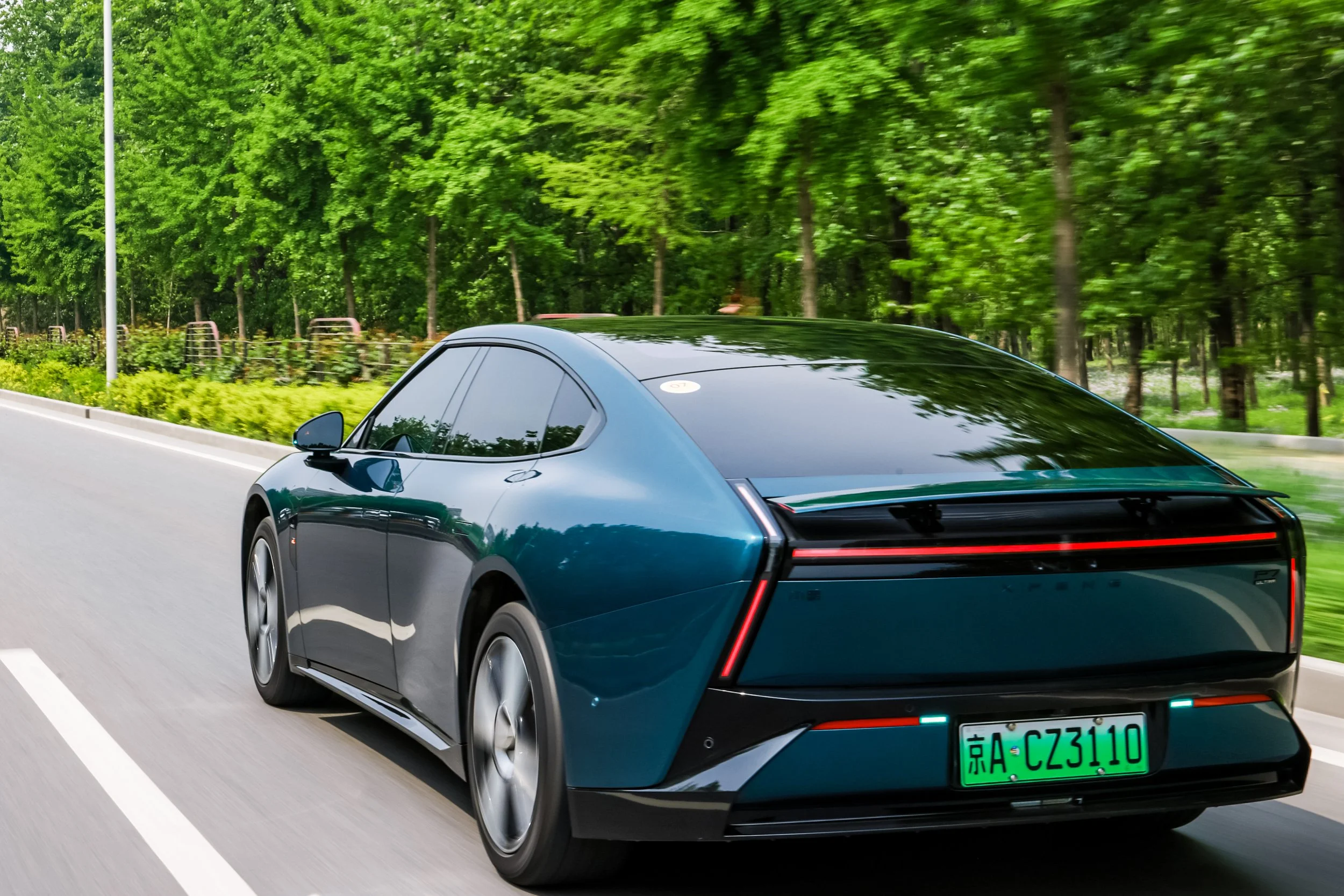
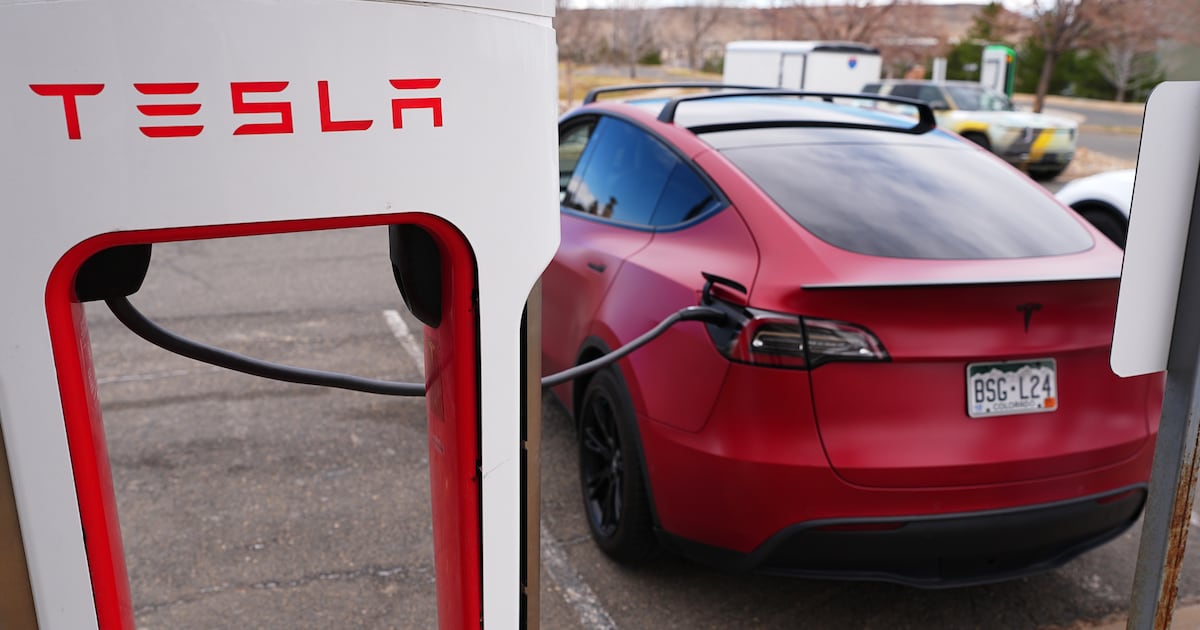
Tesla is actually in a bit of a pickle in China. Americans get the latest “Full Self-Driving” goodies, but Chinese drivers are stuck with older versions while the government checks the paperwork. This has left the door wide open for local brands. BYD is now selling cars with their “God’s Eye” system for around $30,000. Huawei is throwing $11 billion at its own software. Even Xiaomi, the people who make your phone, have joined the fray. It is a total “free-for-all” and the tech is moving faster than a greased weasel.
Then there is the money side of things. If you want the clever bits in a Tesla, it costs you a $99 monthly subscription in the States. XPeng is currently just giving it away for free with the price of the car. It is hard to convince someone to pay a monthly bill when the competition is just as good and costs nothing extra. Even the Germans at Volkswagen have noticed. They have signed a deal to put this VLA 2.0 tech into their new electric SUVs for the Chinese market. When the folks from Wolfsburg start buying your homework, you know you have done something right.
What really struck me was how the car predicts the future. Most systems just react to the car in front slamming on its brakes. The XPeng looks at the flow of the whole street. It positions itself for turns early. It does not hesitate or “guess,” which is what usually makes passengers feel sick. Even when it makes a tiny mistake, like following a bit too close, it fixes it before you even notice. It feels like it has a plan, rather than just surviving second-by-second.
We are at a massive turning point. People used to buy a Tesla because everything else felt like a toaster on wheels. Now, the XPeng P7, G7, and X9 are proving that the competition has caught up and might even be pulling ahead. There are even whispers that the new GX model can drive itself entirely. Is it better than a Tesla? That is a fight for another day. But in the middle of a Beijing traffic jam, this car felt like the most sensible driver I have ever had.
Next
Next
Search
RECENT PRESS RELEASES
Related Post