Energy transition at risk
April 21, 2026
For roughly a decade, America’s electricity system was rapidly shedding polluting coal-fired power plants and adding solar and wind power, accelerating the nation’s transition to a cleaner, less polluting grid.
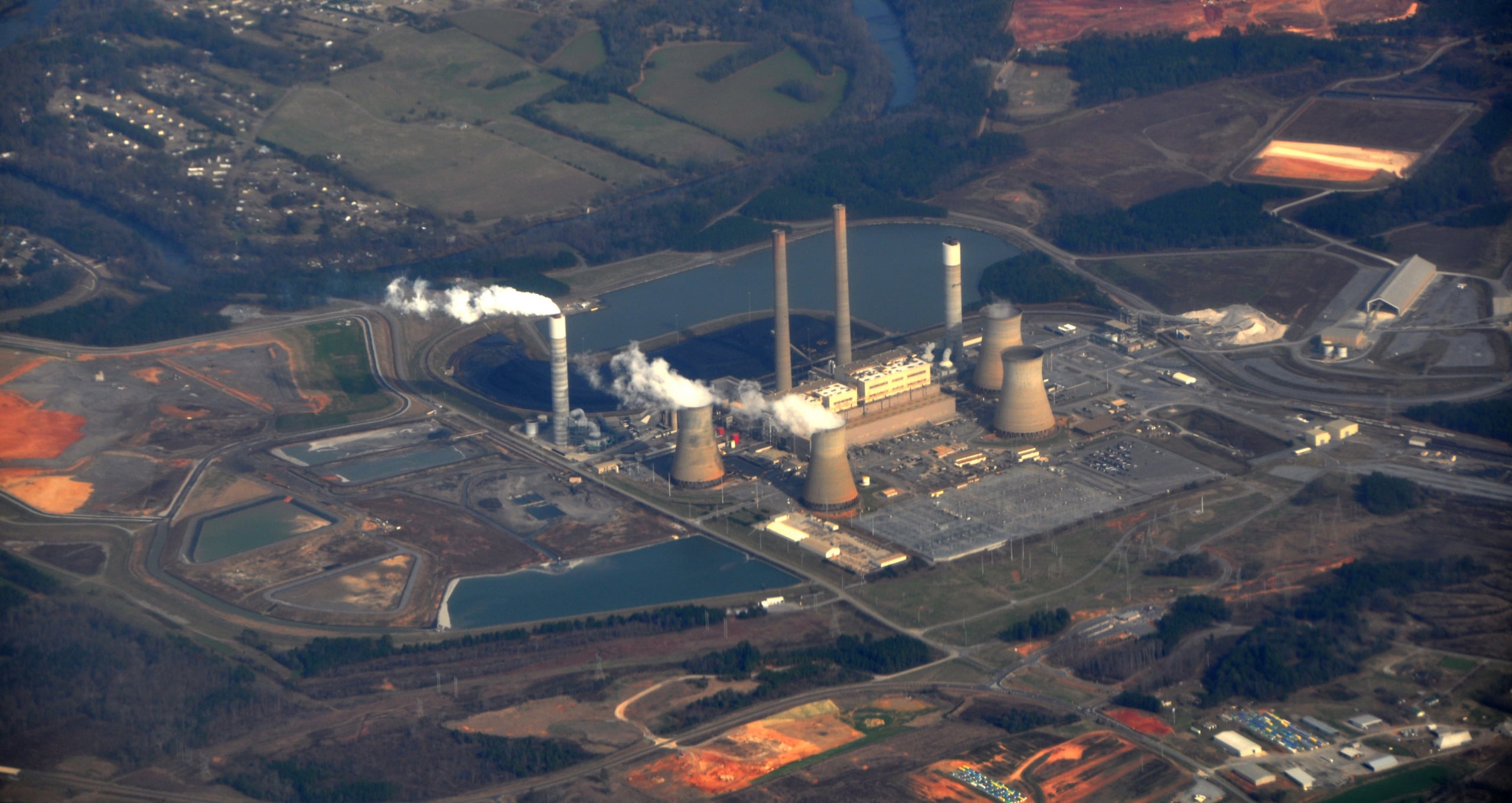
That pattern has now changed. America is continuing to add solar power rapidly – despite setbacks such as the repeal of clean energy incentives under the Inflation Reduction Act and efforts by the current administration to stymie renewable energy development. But the transition away from coal-fired power has slowed and proposals for new natural gas power plants have surged – threatening the nation’s efforts to clean our air, reduce our impact on the climate, and curb our dependence on fossil fuels.
Slowing coal retirements
To capture this shift in direction, we examined monthly U.S. Energy Information Administration (EIA) surveys spanning January 2023 through December 2025, tallying planned generating unit retirements and additions broken down by fuel category. Each monthly data point represents the number and net summer capacity of generating units anticipated to retire through 2030, and the number and capacity of units anticipated to be added to the grid in the future.
The data is a running snapshot of what utilities believed the grid would look like in the future for every month of the last three years. The shift in expectations over just those few years is telling.
In late 2022*, roughly 114 coal units were on track for planned retirement by the end of 2030, representing 46 gigawatts of capacity. (For the record, as of the end of 2022, the U.S. had approximately 198 GW of coal-fired capacity, so roughly one-quarter of that existing capacity was to be retired by the end of the decade.)
By the end of 2025, 38 of those units, accounting for 13.3 GW of capacity, had retired, while another 1.4 GW of capacity remained on track to switch to another fuel. Nearly 10 GW of capacity that had been expected to retire or switch fuels by the end of 2025, however, had had those changes delayed. (See Figure 1, below.)

In a nutshell: roughly 40% of the coal retirements or fuel switches that were supposed to have happened by the end of 2025 haven’t.
Figure 2 below shows the change in the number and capacity of power plants expected to retire by the end of 2030 by the month in which those forecasts were made. As noted above, much of the decline in planned coal and gas retirements is the result of plants actually retiring before the end of 2025. But the momentum away from fossil fuels is no longer accelerating, and may even be stalling.

According to the EIA’s year-end rundown of retirement trends, a few coal plants retired in 2025 that were not on the list of planned retirements in January 2023, or had their retirement dates moved up. These three plants, however, account for only 0.8 GW of generating capacity.
Several of these coal-fired power plants likely would have shut down but for federal “emergency” orders intended to keep them up and running temporarily. Others have had their retirement dates pushed back in the face of rising electricity demand.
But the end result is a dramatic change in trajectory for the nation’s grid. During 2022, the United States eliminated 11.6 GW of coal-fired generating capacity. Had it continued at that rate, the coal fleet would have been fully retired by 2040. In 2025, the U.S. eliminated 4.4 GW of coal generating capacity, putting the nation on pace to eliminate the coal-fired fleet by the year 2065. And the EIA anticipates that that figure will rise only to 6.4 GW over the next 12 months.
More solar … and more gas
If there is cause for optimism in the EIA data, it lives in the solar and battery storage addition numbers. Anticipated solar additions grew from 76.2 GW in January 2023 to 124 GW by December 2025. Battery storage has shown an even steeper growth curve, with planned additions roughly doubling from 22.6 GW to 67.7 GW over the same window.
Continued growth in solar is hopeful news, and batteries seem poised to maximize the benefits of that solar energy expansion by enabling solar to serve electricity demand in the evening and overnight hours. But the news on renewables is not all sunny: Wind energy additions have not lost ground, but they also have not surged the way solar has. (See Figure 3.)

One older form of generation that is surging is natural gas. In contrast to a few years ago, the amount of new gas capacity expected to be added to the grid far exceeds anticipated retirements. As of December 2025, 13.2 GW of gas capacity is scheduled to retire by 2030, while 41.8 GW of gas plants are to be added to the grid in all future years. In January 2023, the amount of gas capacity anticipated to be added to the grid (20.4 GW) virtually matched the amount that was to be retired by 2030 (20.9 GW).
The result: America is planning to lock in decades of new gas-fired infrastructure – plants with 30- to 40-year operational lifespans – even as we add renewables. Coupled with the delays in coal plant retirements, it is a recipe for continued high levels of planet-warming carbon emissions and other forms of pollution that put our health at risk.
A grid under growing pressure: Why electricity demand is rising
For most of the past two decades, demand for electricity in the United States was largely flat. Efficiency gains – better appliances, LED lighting, more efficient industrial processes – kept overall consumption roughly stable even as the economy and population grew. New, cleaner forms of generation such as wind and solar power added to the grid displaced dirtier forms of energy, contributing to a 36% drop in power sector greenhouse gas emissions between 2005 and 2022, and major reductions in health-threatening air pollution.
That assumption of stagnant growth is no longer operative.
Data centers are the main force spurring the growth of electricity demand. A December 2024 report by researchers at Lawrence Berkeley National Laboratory forecasts that data center energy use could increase from 4.4% of U.S. electricity consumption in 2023 to between 6.7% and 12% of electricity consumption by 2028 – a period of just five years.
Electric vehicles represent a second structural shift. On one hand, widespread EV adoption adds significant new load – particularly in the evening hours when vehicles return home and begin charging. On the other, EVs carry the theoretical promise of grid flexibility: If utilities can incentivize off-peak charging or develop the infrastructure for vehicle-to-grid export, EV batteries could function as distributed storage reserves or be timed to charge when clean, renewable energy on the grid is abundant.
Industrial electrification is the third force. Semiconductor fabrication plants, battery manufacturing facilities, and other advanced industrial sites increasingly operate on all-electric processes rather than fossil fuels. Each of these facilities represents a larger, permanent load addition — often in regions whose grids were not sized to receive it, triggering the need for new transmission and generation investment.
Wanted: A change in direction
The story the EIA data tells is that of an energy transition at risk. Solar and batteries are growing at a pace that would have seemed remarkable five years ago, but coal is lingering, natural gas is expanding, and federal policy is actively working to slow the conditions that made renewable growth possible. Demand is rising in ways that will stress the grid for decades – and the infrastructure decisions being made right now will shape the grid for the 30- to 40-year lifespans of the fossil fuel plants currently being planned.
The data does not tell us that a transition to cleaner energy is impossible. It tells us that it is not yet inevitable – and that the difference between those two outcomes will be determined by decisions made in the next few years, not the next few decades. Moderating the growth of new demand, including by redoubling our commitment to energy efficiency, easing barriers to clean, renewable energy, and cleaning up or closing our dirtiest power plants can put the nation back on track to a cleaner, more resilient power system.
* The Energy Information Administration’s Electric Power Monthly reports data for two months prior to the date of the report. Data reported in January 2023 represent planned retirements/additions from late 2022.
Google: Keep your clean energy pledge

Google: Keep your clean energy pledge
Google shouldn’t allow the proliferation of data centers to jeopardize its environmental commitments.
Sign the petition
Authors
Tony Dutzik is associate director and senior policy analyst with Frontier Group. His research and ideas on climate, energy and transportation policy have helped shape public policy debates across the U.S., and have earned coverage in media outlets from the New York Times to National Public Radio. A former journalist, Tony lives and works in Boston.
Johanna directs strategy and staff for Environment America’s energy campaigns at the local, state and national level. In her prior positions, she led the campaign to ban smoking in all Maryland workplaces, helped stop the construction of a new nuclear reactor on the shores of the Chesapeake Bay and helped build the support necessary to pass the EmPOWER Maryland Act, which set a goal of reducing the state’s per capita electricity use by 15 percent. She also currently serves on the board of Community Action Works. Johanna lives in Amherst, Massachusetts, with her family, where she enjoys growing dahlias, biking and the occasional game of goaltimate.
Abe Scarr is the director of Illinois PIRG and is the PIRG Energy and Utilities Program Director. He is a lead advocate in the Illinois Capitol and in the media for stronger consumer protections, utility accountability, and good government. In 2017, Abe led a coalition to pass legislation to implement automatic voter registration in Illinois, winning unanimous support in the Illinois General Assembly for the bill. He has co-authored multiple in-depth reports on Illinois utility policy and leads coalition campaigns to reform the Peoples Gas pipe replacement program. As PIRG’s Energy and Utilities Program Director, Abe supports PIRG energy and utility campaigns across the country. He also serves as a board member for the Consumer Federation of America. Abe lives in Chicago, where he enjoys biking, cooking and tending his garden.
Search
RECENT PRESS RELEASES
Related Post