Guernsey renewables move should be incentivised
May 21, 2026
Call for renewables move to be ‘incentivised’
 PA Media
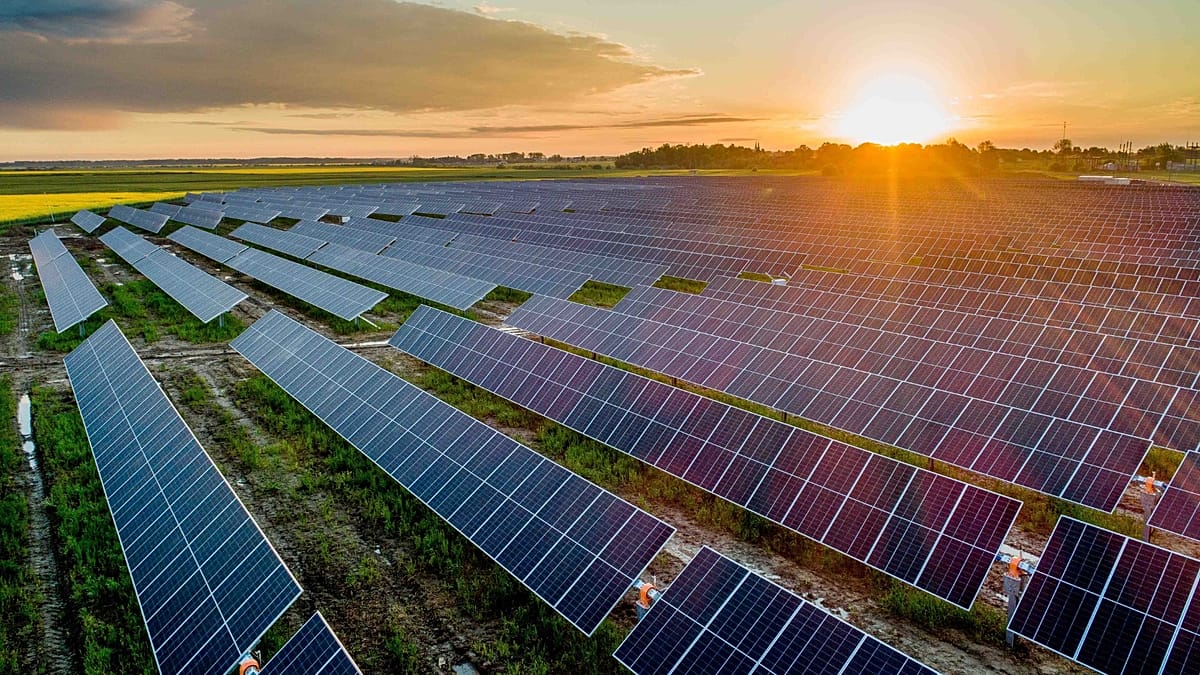
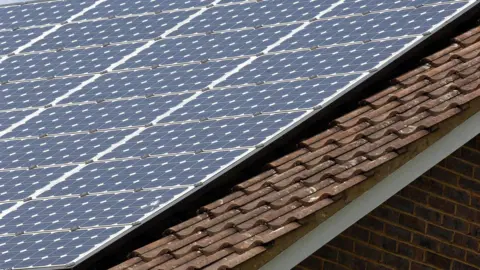
Making renewable energy sources mandatory for new builds is a necessity but should be “incentivised”, a developer says.
Last week, the Development and Planning Authority (DPA) announced a move to make solar panels or alternative renewable energy technology a requirement on all new housing and commercial projects in Guernsey.
Paul Nobes, managing director of Infinity Group, said it was the right decision, but the government should offer grants to prevent people installing the “bare minimum” needed to meet the requirements.
DPA President Neil Inder said it had consulted with a range of relevant parties before introducing the requirement.
Nobes said his firm already installed renewable energy systems to the majority of their developments as “standard practice”.
But he added giving more encouragement for developers to install renewable energy sources could help ensure the move has a “meaningful and lasting impact”.
He said: “We should be looking to the States of Guernsey to incentivise via grants for installing a recommended quantity of solar panels on properties, rather than installing the bare minimum to comply with current planning requirements due to the increasing build costs.”
Concerns have been raised about the legal standing for the DPA to make this change.
The authority said Policy GP9 of the current Island Development Plan (IDP) “already encourages installing ways of harnessing renewable energy”.
But while DPA said it is now mandatory, it is not listed in the IDP as so.
Inder said: “I can assure them that we have acted within our powers.”
However, Chris Crew, senior planning consultant at law firm Collas Crill, said he is “not convinced” it is within the DPA’s power to make a “unilateral change” to the plan outside of the normal review process.
“To my mind it would have been far more sensible to roll it into the IDP review debate in the autumn,” he added.
“That way it would be open to public scrutiny and debate and, if approved, be given a proper policy footing.”

Alex Whitmore, director at architectural firm PF+A said the decision from the DPA was “coming from the right place” and a “positive thing”.
However, he expressed concerns about the standing of the move.
Whitmore said: “A mandatory requirement without going through a review process and consultation seemed a bit hard-hitting and almost a bit out of the blue.”
He added it had the potential to “slow progress down in terms of renewables and reducing carbon footprint”, particularly if people look at the cheapest way of getting solar panels due to build costs without considering effectiveness.
Despite the costs, Whitmore said as a percentage of the whole build it was “very small” and he does not believe it will slow down building appetite.
Guernsey Electricity said it welcomed the announcement by DPA, but it “needed to be mindful” of the impact behind-the-meter renewables can have on the stability of the electricity grid when replicated at scale.
The firm highlighted the need to make sure the connection of renewable technologies is managed in a way which meant they can “continue to provide a secure and reliable supply to all customers”.
“We continue to work proactively with the government and wider energy industry to facilitate local renewable generation,” a spokesperson said.

Inder said he was pleased to hear a number of people, firms and organisations agreed with the general idea of the requirement.
He added: “I can assure them that we have acted within our powers.
“We consulted with a range of relevant parties, including the Committees for Economic Development and Environment and Infrastructure.
“I personally discussed it with the Guernsey Building Trades Employers’ Association.”
Follow BBC Guernsey on X and Facebook and Instagram. Send your story ideas to channel.islands@bbc.co.uk.
Search
RECENT PRESS RELEASES
Related Post