Iran war oil shock shifts Asia’s EV revolution into overdrive
April 19, 2026
Across Asia, a revolution in how people move was already gathering speed. War in Iran just hit the accelerator.
Prashant Tiwari was among the first people at his company to go electric when he swapped his petrol car for a Hyundai Kona five years ago. Now, his colleagues at Fusemachines Nepal – an AI firm in Kathmandu – are calling him a prophet.
“They say you don’t have any problem,” the 36-year-old product manager said. “I think it is foolish to buy a petrol-run car now, and everyone generally agrees with me.”
Advertisement
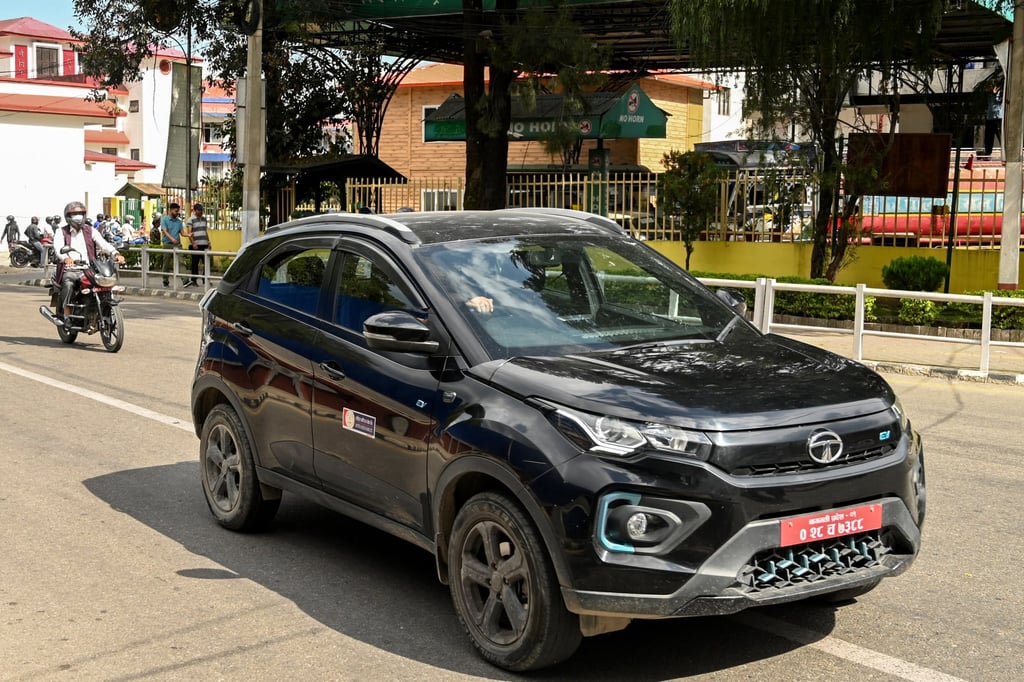
Nepal ranked second globally – behind only Norway – for electric vehicle sales share last year, with electric cars now accounting for more than 70 per cent of new vehicle sales, up from mere single-digit percentages when Tiwari bought his.
The combination of abundant hydropower and punishing taxes on fossil-fuel imports has made petrol cars a luxury that few Nepalis now see the point in buying.
With global benchmark Brent crude hovering at around US$100 per barrel – around 50 per cent higher than its pre-conflict level – amid the war on Iran and disruption of supplies through the Strait of Hormuz, the pain at the pump is acute for oil-importing nations across Asia.
Search
RECENT PRESS RELEASES
Related Post