Oregon’s popular EV rebates are shrinking
May 14, 2026

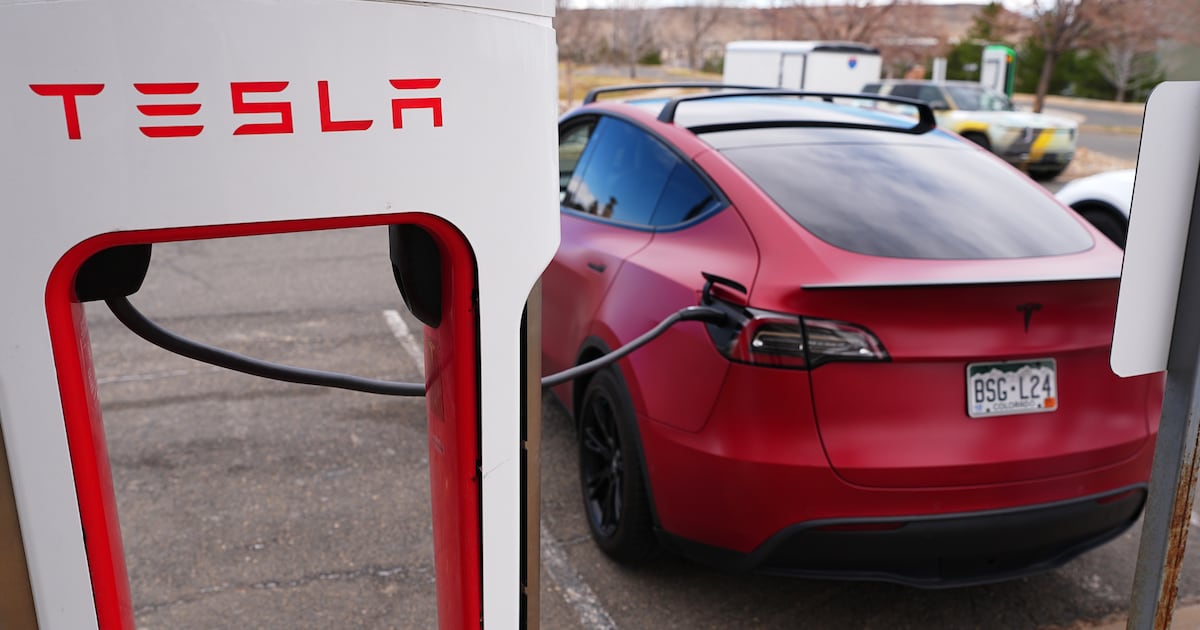
Oregonians hoping to take advantage of the state’s popular EV rebates will notice some changes to the program later this year.
Since 2018, the state has issued more than 42,000 rebates to qualified electric vehicle buyers, saving them more than $138 million. Now, those instant savings have slightly shrunk, with some rebates decreasing by more than half to help the state stretch funds so more people can take advantage of the program.
The changes come as the popular Oregon Clean Vehicle Rebate limited funding has made it a struggle to keep open year-round. For three years in a row, the Oregon Department of Environmental Quality, the agency that runs the program, has paused rebates after exhausting available funds. Any EVs purchased when rebates are paused cannot qualify for rebates.
The program receives at least $12 million or 45% of tax collections, whichever is greater, through Oregon’s Vehicle Privilege Tax. For the past three years, the tax has generated about $15 million per year, according to DEQ.
Last year, the program’s rebates were exhausted in about six months.
On Thursday, DEQ’s commission unanimously adopted the changes to each of the three categories of rebates, shrinking each amount and making changes to the type of electric vehicle purchased.
“Adjusting rebate amounts is the primary tool we have available to extend program availability and allow more participants to access the program over time,” DEQ’s Oregon Clean Vehicle Rebate Program Coordinator Erica Timm said during the Commission’s meeting.
For the Standard Rebate, which is available to anyone who purchases or leases a new qualified vehicle for under $50,000:
- A qualified battery electric vehicle will receive $2,000
- A qualified plugin-hybrid electric vehicle will receive $1,500
The program previously offered $2,500 for both.
Under the Charge Ahead Rebate, which is available for household incomes between $51,000 and $251,000, rebates for new vehicles will now be:
- A qualified battery electric vehicle will receive $7,500
- A qualified plugin-hybrid electric vehicle will receive $5,000
The program previously offered $7,500.
Used Charge Ahead rebates are now:
- A qualified battery electric vehicle rebate will receive $4,000, or no more than 30% of the vehicle price
- A qualified plugin-hybrid electric vehicle will receive $2,500, or no more than the vehicle purchase price.
The program previously offered $5,000.
“The proposal still preserves a unique rebate for full battery electric used vehicles, which provide the greatest emission benefits,” Timm said.
The state will now limit how many rebates an individual can receive through the lifetime of the program, Timm said.
The new rates will go into effect this year when DEQ reopens the EV rebate program. The agency expects to do that in late summer.
“These updates reflect extensive research and public input and are designed to prioritize emissions reductions and equitable access to rebates for light-, medium- and heavy-duty electric vehicles,” DEQ’s Air Quality Transportation Strategies Section manager Rachel Sakata said in a statement.
Lower EV rebates as gasoline prices climb
The Oregon Clean Vehicle Rebate changes are coming at a time when people are reeling with record gas prices and paying much more at the pump to fill up their cars. The program was created to encourage people to switch from gas-powered into electric vehicles, and to help the state reduce greenhouse gas emissions.
According to DEQ, the transportation sector accounts for 35% of the state’s overall greenhouse gas emissions.
But for each of the past three years, the program has exhausted its funds more quickly than the year before. Last year, the program’s Standard Rebate, available to all qualified purchases, was open for about three and a half months before it issued all available rebates. In 2025, the program issued about 4,500 rebates totaling $11.5 million.
The income-restricted Charge Ahead Rebate program was open for about six months last year. It issued 4,200 rebates totaling nearly $26 million.
These rebates were available for a longer time because of a one-time $31 million federal boost from the Environmental Protection Agency’s Climate Pollution Reduction Grant program. That funding originally came from the Biden administration’s Inflation Reduction Act, which provided hundreds of billions of dollars toward addressing climate change.
There were more than 136,000 registered zero-emission vehicles in Oregon as of January. DEQ’s goal is for 25% of the state’s registered vehicles to be EVs by 2030.
Rebates for commercial trucks
DEQ’s commission also changed rebates for different types of electric vehicles — medium and heavy-duty trucks.
The Zero-Emissions Rebates for Oregon Fleets Program provides a wide range of rebates for businesses and nonprofits buying or leasing a new electric medium or heavy-duty vehicle. These vehicles include utility vans, walk-in delivery trucks, school buses and tractor trailers.
According to DEQ, these vehicles are responsible for 42% of Oregon’s annual carbon emissions.
The fleet rebate program received a one-time $17 million allocation of state and federal funding, and began issuing rebates in December. Since then, it has authorized 153 rebates totaling $13 million. More than half of those rebates were issued for Class Eight vehicles, like dump trucks, fire trucks, refrigerated vans or tour buses.
Under changes approved Thursday, the program’s remaining funds will target freight, delivery and mass transportation vehicles. Qualified applicants will now also be able to receive vouchers for these vehicles, so they can funding while they find the right type of vehicle for their business.
Search
RECENT PRESS RELEASES
Related Post