SpaceX IPO Could Disappoint Investors Based on Historical Patterns
May 18, 2026
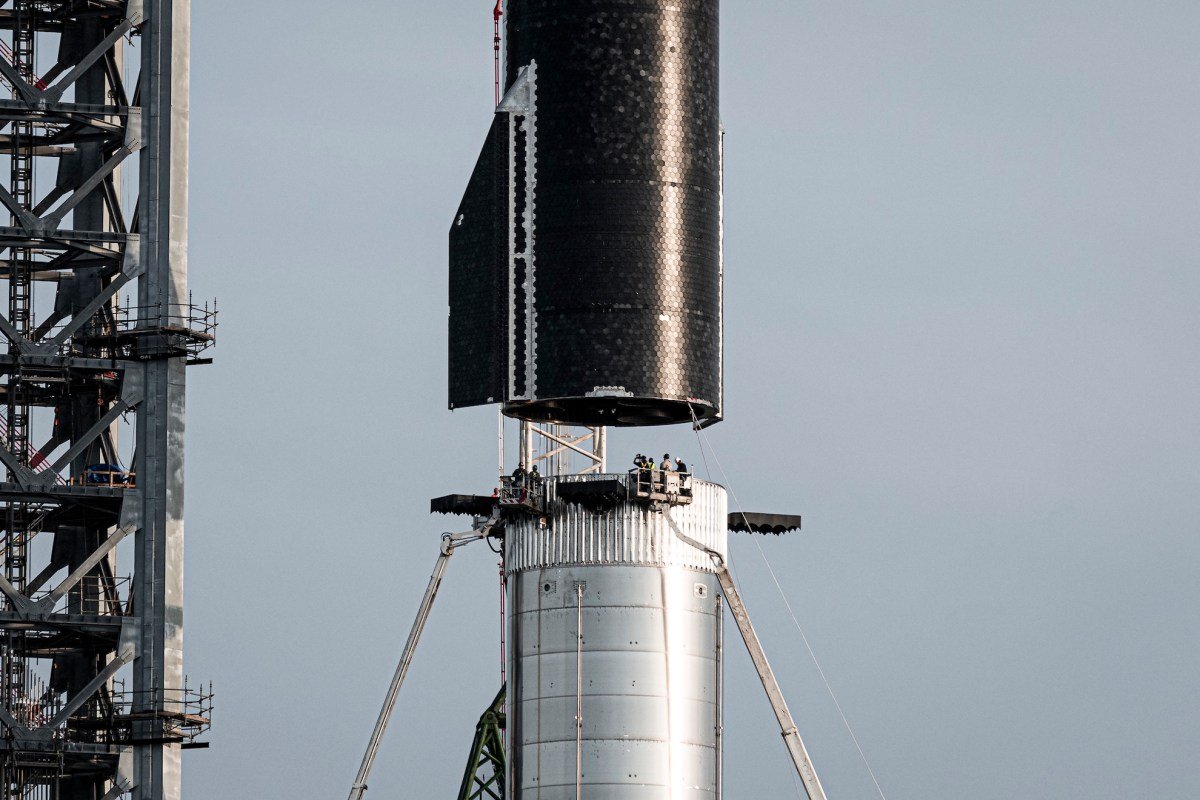
SpaceX has dominated a lot of business news as the company prepares for a potential initial public offering (IPO) in June. Not only is this a much quicker timeline than most anticipated, but there’s also one key reason so many people have their eyes on this IPO: It’s projected to be the largest in history.
SpaceX is reportedly aiming for a $1.75 trillion valuation, which would make it the ninth-most-valuable public company as of market close on May 16 (ironically, just ahead of Tesla).
There’s a lot of hype surrounding SpaceX, and many of Elon Musk’s core fans will buy into whatever he’s selling. Unfortunately, history isn’t on SpaceX’s side when it comes to post-IPO stock performance.

Image source: Getty Images.
There might not be as much of a runway
Valuations are just numbers, but they need to be numbers with plenty of potential to increase so investors can make money. The problem with mega-cap IPOs is that initial high valuations leave little room for post-IPO runs (though they may experience a surge immediately after listing). It’s much harder to double in value when you’re starting at $2 trillion versus $2 billion.
Economist Jay Ritter of the University of Florida — who is often referred to as “Mr. IPO” — found that over the five years following an IPO, these companies underperform the market by 3% to 5% annually. Research also found that companies that IPO while having more than $1 billion in revenue (SpaceX has well above that) have market-adjusted returns of -2.1% over three years.
Past occurrences don’t guarantee future occurrences, and there will be exceptions to every trend, but it’s worth noting this historical pattern so investors don’t confuse hype with long-term potential.
Should S&P 500 investors be worried?
Normally, a company must have traded for at least a year and have a certain level of financial standing before being included in an index like the S&P 500. However, due to its size and potential valuation, SpaceX is likely going to be fast-tracked into them.
There has been pushback against this because of the historical performance of mega-cap IPOs. The thought is that if these companies get ushered in with high valuations, they’ll make up a large portion of these indexes, and their (statistically likely) underperformance could weigh them down and hurt investors.
That’s a fair concern, but one thing to note is that SpaceX’s initial weight in most major indexes will be determined by how much it raises during its IPO, not by its valuation. This will be the case until it releases more shares to the public (such as when insiders sell their shares).
Search
RECENT PRESS RELEASES
Related Post