Tesla Just Hiked Model Y Prices for the First Time Since 2024. Time to Buy the Stock?
May 18, 2026
Tesla (TSLA 2.89%) quietly nudged Model Y prices higher in the U.S. over the weekend. The Model Y Premium all-wheel drive and Premium rear-wheel drive trims each climbed $1,000 to $49,990 and $45,990, respectively, while the Performance all-wheel drive trim rose $500 to $57,990. The two entry-level Standard trims, by contrast, were left untouched at $41,990 and $39,990.
Modest as the changes are, they mark the first U.S. price hike on Tesla’s best-selling vehicle in about two years — and they end a long stretch of discounts and outright price cuts that defined the electric-vehicle maker’s strategy through 2024 and 2025.
So, with this positive news clearly making the demand environment for Tesla’s vehicles look more attractive, is now a good time to buy the stock?

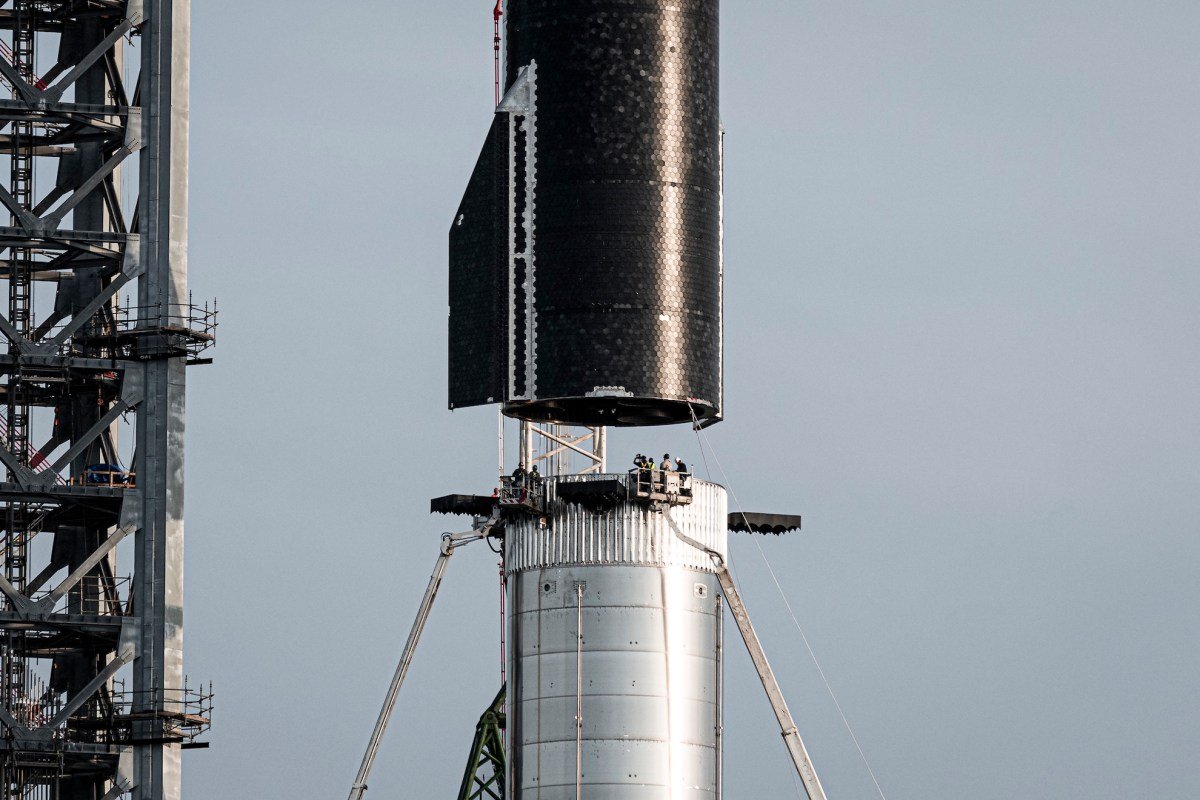
Image source: Getty Images.
A small price hike, but a meaningful signal
For better context, let’s go back in time first.
In April 2024, Tesla cut some Model Y prices by up to $2,000, capping a multi-year stretch in which the company chopped as much as $13,000 off the Model Y’s sticker price — a move that has squeezed Tesla’s automotive margins.
But the latest quarterly results showed some signs of improvement that could help explain this price increase.
In the first quarter of 2026, Tesla’s total revenue climbed 16% year over year to $22.4 billion, and automotive revenue also rose 16% to $16.2 billion. More importantly, the company’s gross margin reached 21.1%, up from 16.3% a year earlier.
Management’s commentary pointed in the same direction. During Tesla’s first-quarter earnings call, chief financial officer Vaibhav Taneja told investors: “On the order backlog front, we ended the quarter with the highest Q1 order backlog in over two years. While the recent increase in gas prices has had a positive impact on the order rate, this improvement started before the uptrend in gas prices.”
That backlog statement, paired with this weekend’s price move, hints that demand has stabilized enough for Tesla to extract more margin from buyers stepping up to a Premium trim — without scaring off price-sensitive shoppers at the bottom of the lineup.
Even so, there are reasons for caution.
First-quarter deliveries of 358,023 vehicles undershot expectations, and Tesla built roughly 50,000 more vehicles than it delivered, pushing global inventory days from 22 a year earlier to 27.
Additionally, interest rates remain elevated, making it difficult to predict how strong demand for Tesla vehicles (and autos in general) will be throughout the year.

Today’s Change
(-2.89%) $-12.21
Current Price
$410.03
A difficult-to-justify valuation
Even granting that some pricing power may be returning for Tesla, the stock arguably doesn’t look cheap. As of this writing, Tesla shares trade for around $410, giving the company a market capitalization of about $1.5 trillion and a trailing price-to-earnings ratio in the high 300s.
Of course, at this valuation, investors aren’t paying for an automaker. They’re paying for what Tesla might become. The bull case still rests on full self-driving software take-rates lifting meaningfully, Tesla’s Robotaxi service scaling profitably, Cybercab reaching volume production in late 2026 or early 2027, and Optimus — the company’s humanoid robot project — eventually becoming a real product line.
None of these catalysts, however, is guaranteed to move the needle for the company. And Tesla has guided 2026 capital expenditures above $25 billion — a heavy outlay that could pressure free cash flow this year.
So is now finally the time to buy Tesla stock?
Two things can be true at the same time. Pricing power may genuinely be coming back as demand improves (and that’s a real positive for the long-term story). But the stock could also still be priced for something close to flawless execution on autonomy and robotics, with little cushion if any of these projects slip. For now, I’m passing on Tesla and waiting for either a more attractive entry point or clearer evidence that the company’s higher-margin software and services ambitions are translating into profits robust enough to justify the valuation.
Search
RECENT PRESS RELEASES
Related Post