Tesla vs. Alphabet: Who Wins the Autonomous AI Race?
May 27, 2026
Both Tesla (TSLA +1.70%) and Alphabet (GOOG +1.42%)(GOOGL +1.52%) have invested billions of dollars over many years to bring their autonomous driving ambitions to fruition. Those investments are starting to pay off. Right now, Tesla’s robotaxi service is live in Houston, Dallas, and Austin, Texas, and it’s considering five additional cities for expansion. Alphabet’s Waymo subsidiary, meanwhile, is already operational in 10 cities across six states.
From the perspective of pure reach, Waymo has the early lead. That’s exciting, considering some experts believe the robotaxi opportunity may eventually be worth $5 trillion to $10 trillion worldwide. But Tesla has one key advantage that may give it a long-term edge over Alphabet and Waymo.

Alphabet
Today’s Change
(1.52%) $5.82
Current Price
$388.79
Tesla and Alphabet are betting big on robotaxis
Robotaxis are no longer a far-off dream, but how quickly could the market mature? “The global rollout of robo-taxis is now expected to become reality at a large scale in 2030,” concludes a recent research report from consultancy McKinsey & Co. “Overall, experts expect that robo-taxis will be the first commercial application for L4 [Level 4] in mobility — not privately owned cars.”
Level 4 autonomy, as McKinsey explains succinctly, means that vehicles with such systems can “function without a driver who is ready to take over.” In less than four years, then, robotaxis could be available to anyone with a smartphone across nearly all the world’s major geographies. Alphabet’s pioneering efforts are largely to thank for this. In fact, Elon Musk recently thanked Waymo for “paving the path here” in terms of obtaining regulatory approvals that allow robotaxi services to scale to new states and metropolitan areas.
The robotaxi opportunity clearly is playing a big role in supporting the megacap valuations of both Alphabet and Tesla. Cathie Wood — CEO of Ark Invest, a major Tesla investor — believes robotaxis will account for 90% of Tesla’s enterprise value by 2029. Alphabet and its partners, meanwhile, recently injected $16 billion in new cash into Waymo, valuing the robotaxi business at $126 billion.
There is a world in which both Alphabet and Tesla will see their robotaxi bets pay off big. But if I had to bet on just one of them in my portfolio, I think the choice is obvious thanks to one clear structural difference.
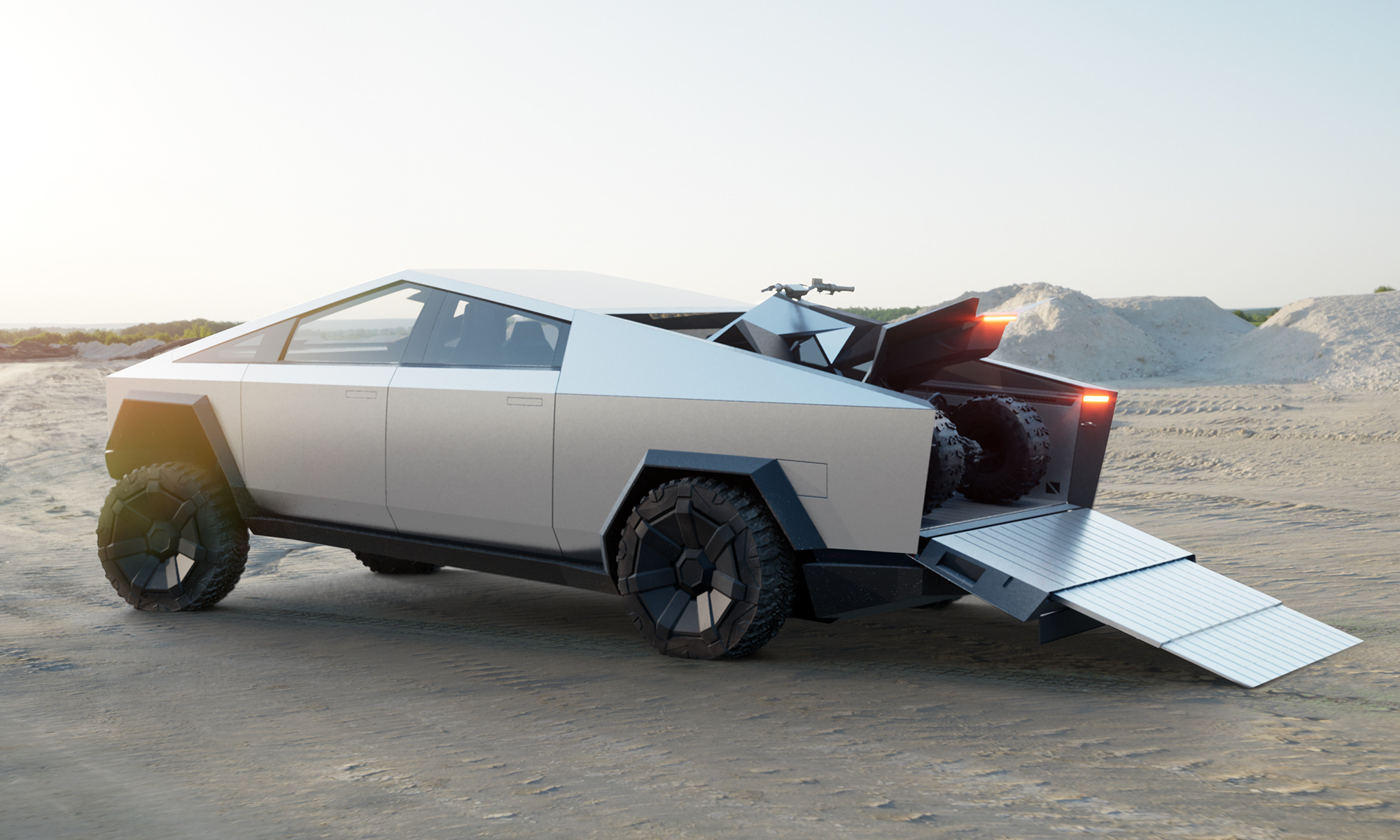
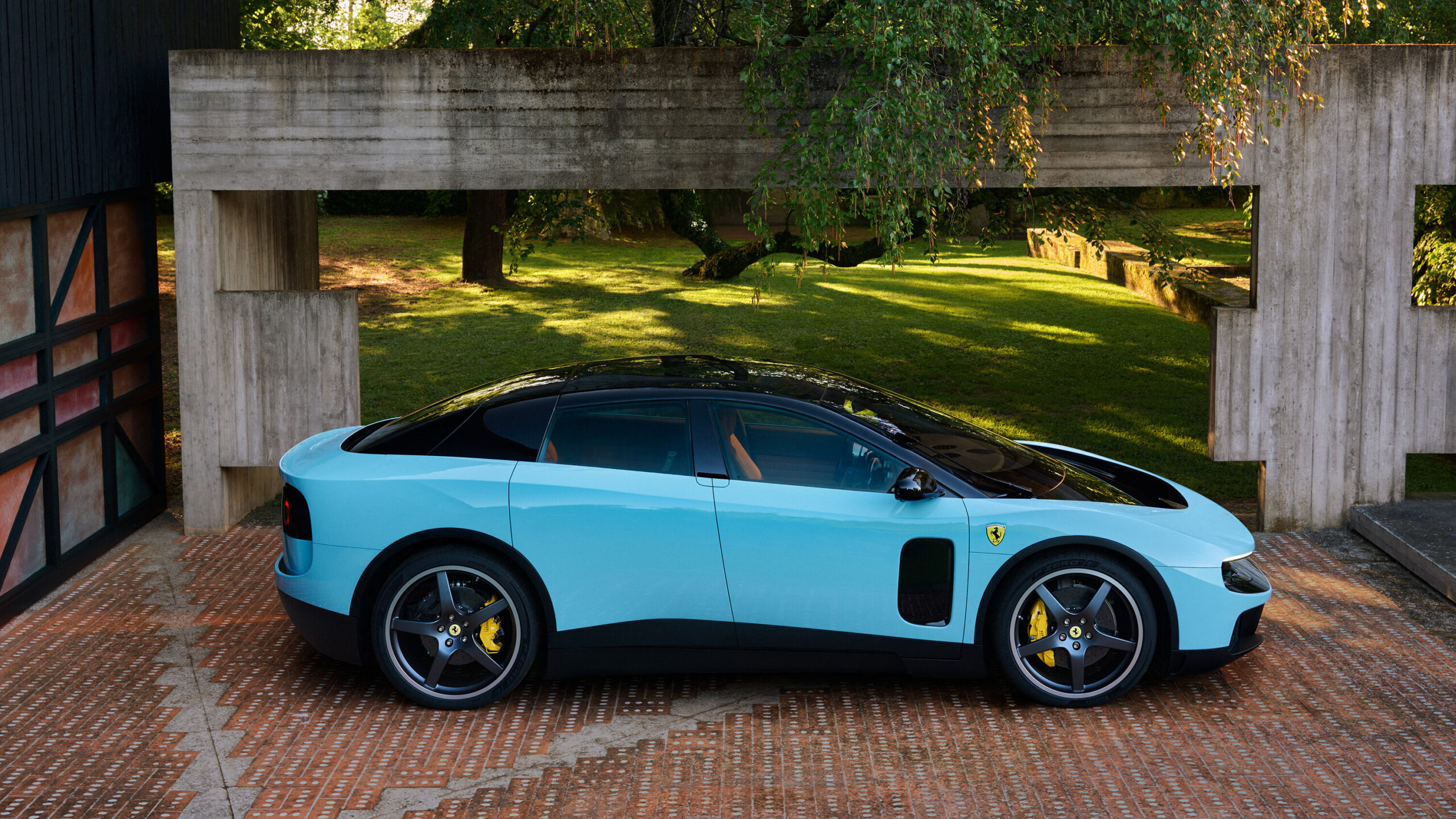
Image source: Tesla.
A clear and structural advantage in the race for autonomy
Waymo intends to expand its robotaxi service to more than 20 cities this year. Tesla, meanwhile, is struggling to expand to 10. This game is in its early innings, however, and for both of them, long-term scaling ability will be limited by one factor: the ability to produce affordable, capable robotaxis. After all, what’s a robotaxi service without a viable robotaxi supply?
It was recently reported that Waymo’s new self-driving van costs around $125,000 to produce. That’s way cheaper than previous builds. Tesla, however, expects to produce its Cybercabs for under $30,000 apiece. The bill of materials may even be brought under $20,000 over time. That’s a believable target, considering Tesla’s Model 3 already costs less than $30,000 to produce.

Today’s Change
(1.70%) $7.22
Current Price
$433.23
And that is the main advantage that Tesla will have over Alphabet over the long term: the ability to manufacture its own vehicles through a vertically integrated process. Alphabet, by contrast, relies on a long list of third-party suppliers to get Waymo vehicles produced. Tesla, therefore, has a clear edge in scaling costs and the control it has over its manufacturing process.
“Operating at scale,” observes a recent research report from Ark Invest, “Tesla’s cost per mile could be ~30–50% lower than Waymo’s, because it does not rely on other automakers, LiDAR, or extra hardware.” So while Alphabet has an early edge in its rollout, Tesla should catch up and ultimately outpace Waymo’s expansion rate.
Search
RECENT PRESS RELEASES
Related Post