Thai auto sector facing crisis unless EV policy is overhauled, industry groups warn
May 14, 2026
BANGKOK, May 14 (Reuters) – Ten Thai auto industry groups warned on Thursday that the sector is facing crisis as EV adoption erodes local production, with manufacturers struggling to compete with cheap zero-tariff imports from China and parts makers also losing orders.
The auto and auto parts groups, which include more than 1,500 members, said in a letter submitted to the government that the industry could fall off a “cliff” in 2027, when an incentive scheme aimed at encouraging EV production comes to an end.
They called on the government to urgently overhaul policy and roll out emergency measures to support the industry before the incentives expire.
• The government should introduce tax reforms to favour locally produced EVs and ensure firms invest and manufacture in Thailand, they said.
• It should also tie import quotas to domestic production and technology transfers.
• Regulators should tighten local content rules and mandate higher Thai material usage.
• Authorities should incentivise the use of locally manufactured parts and integration into global original equipment manufacturer supply chains.
• The Thailand Board of Investment should curb incentives in mature segments and strengthen compliance audits.
• The government should secure fair raw material access and prevent dumping.
• Regulators should tighten origin rules, enforce measurable technology transfers, and require local safety testing.
• Thailand is Southeast Asia’s biggest auto production centre and an export base for top carmakers like Toyota and Honda.
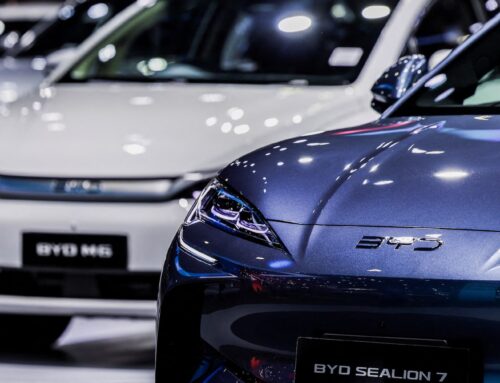
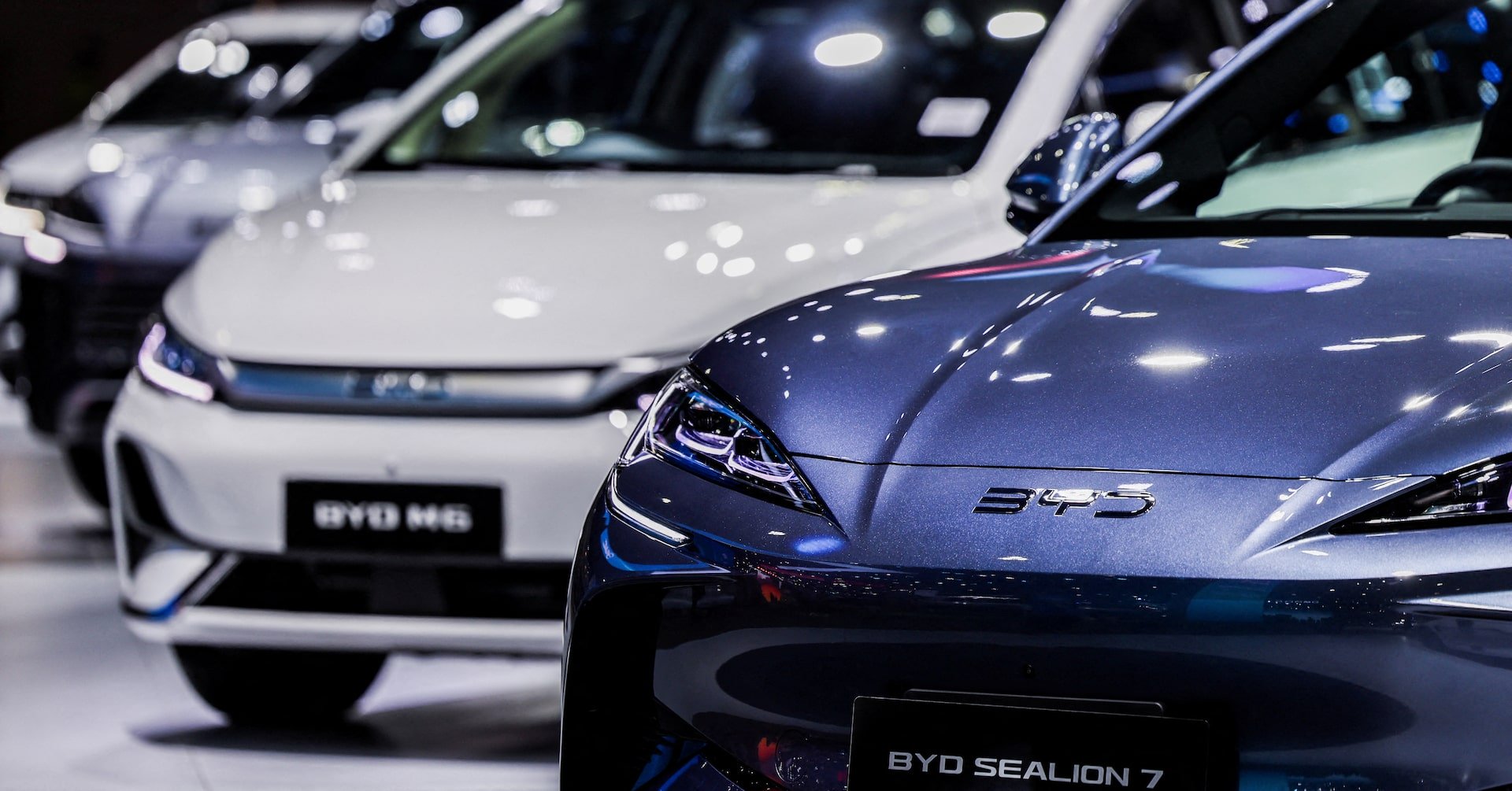
• Thailand’s EV policy, which also includes tax breaks and price subsidies, has attracted more than $4 billion in investments, including from Chinese firms BYD and Great Wall Motors.
(Reporting by Chayut Setboonsarng; Writing by Orathai Sriring; Editing by David Stanway)
Search
RECENT PRESS RELEASES
Related Post